


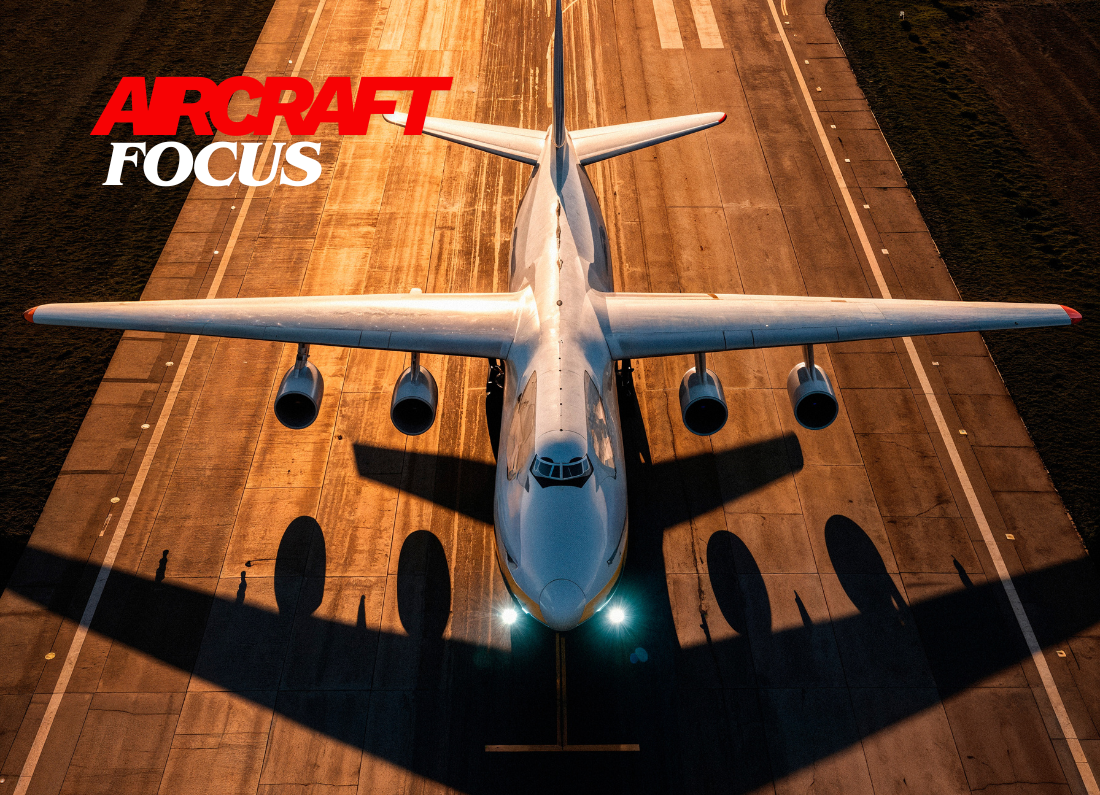
Asian airlines are ready to grow. Passenger demand has returned strongly, route networks are expanding, and airports are filling up. Yet many airlines find themselves constrained by one major problem, aircraft that have been ordered but not delivered.
Aircraft delivery delays have become one of the most disruptive challenges facing aviation in Asia today.
A Global Problem with Regional Impact
Both major aircraft manufacturers are struggling with:
- Production slowdowns
- Supply-chain disruptions
- Quality inspections and rework
- Certification delays
While these issues are global, their impact is amplified in Asia, where airline growth depends heavily on timely narrow-body aircraft deliveries.
For many carriers, delays of 6 to 24 months are no longer uncommon.
Airlines Caught in a Capacity Trap
The consequences are immediate and costly. Asian airlines are forced to:
- Operate older aircraft longer than planned
- Pay higher maintenance and fuel costs
- Lease aircraft at premium rates
- Delay new routes and frequencies
Low-cost carriers, in particular, feel the pressure, as their business models rely on fast fleet turnover and high aircraft utilisation.
Rising Leasing Costs and Market Distortion
With fewer new aircraft available, demand in the leasing market has surged. Lease rates for narrow-body aircraft have risen sharply, putting further strain on airline finances.
This has created an uneven playing field:
- Larger airlines with stronger balance sheets can absorb higher costs
- Smaller carriers struggle to compete or grow
In some cases, airlines are paying more to lease older aircraft than they would have for brand-new deliveries just a few years ago.
Operational and Network Planning Challenges
Aircraft delays disrupt more than just fleet size. They affect:
- Crew training and type-rating plans
- Maintenance scheduling
- Slot utilisation at congested airports
- Long-term network strategy
Airlines must constantly revise forecasts, making it harder to plan confidently beyond the next few seasons
Regulators and Lessors Step In
Asian regulators are increasingly involved in overseeing aircraft induction processes, while lessors are tightening contract terms and placing stricter conditions on extensions.
This has led airlines to become more cautious in future aircraft commitments, potentially slowing long-term growth in the region.
Adaptation Is the New Strategy
To cope, Asian airlines are:
- Diversifying fleet types
- Extending aircraft service life
- Exploring short-term wet leases
- Re-evaluating expansion timelines
Flexibility has become more valuable than aggressive growth.
Aircraft delivery delays are no longer a temporary inconvenience, they are a structural challenge reshaping Asia’s aviation landscape. Growth plans are being rewritten, costs recalculated, and strategies adjusted.
For Asian airlines, the ability to adapt, plan conservatively, and manage uncertainty will determine who thrives and who struggles in this new era of constrained supply.










Leave a Reply