

Exclusive Interview: Adam Sathis Kumar Naidu , CEO of Lifedot Medevac, on Why Many Indonesian Patients Choose Malaysia for Treatment
Cross border healthcare mobility has become an increasingly visible feature of Southeast Asia’s healthcare landscape. Among the most notable trends is the steady movement of Indonesian patients seeking treatment in Malaysia, particularly in cities such as Penang and Kuala Lumpur.
In this exclusive interview with MyAviation Magazine, Adam Sathis Kumar Naidu (Adam SK Naidu), Chief Executive Officer of Lifedot Medevac, shares his perspective on the factors influencing this regional medical travel and the important role aviation connectivity plays in enabling patient access to care.
Q: There has been a steady flow of Indonesian patients travelling to Malaysia for treatment. From your perspective, what explains this trend?
Adam SK Naidu :
Several factors contribute to this movement. One of the most significant is accessibility. Malaysia is geographically close to Indonesia, and there are many direct flight connections between cities such as Jakarta, Medan and Surabaya to Kuala Lumpur and Penang.
For patients, convenience plays an important role when considering treatment options. Short travel times and frequent flights make cross border healthcare more manageable for patients and their families.
At the same time, Malaysia has developed a reputation in certain specialised areas of healthcare, which naturally attracts patients who are exploring different treatment options.
Q: Some observers say the decision is not necessarily about healthcare quality but about patient convenience. Would you agree?
Adam SK Naidu :
Yes, in many cases it is about convenience and accessibility. Indonesia has been investing significantly in strengthening its healthcare infrastructure and expanding medical capabilities across the country.
However, in a highly connected region like Southeast Asia, patients often explore several options when seeking treatment. Some may choose to travel abroad for scheduling convenience, accessibility to certain specialists, or familiarity with particular hospitals. Ultimately, it reflects patient choice within a region where healthcare options are increasingly interconnected.
Q: How important is air connectivity in enabling medical travel between Indonesia and Malaysia?
Adam SK Naidu:
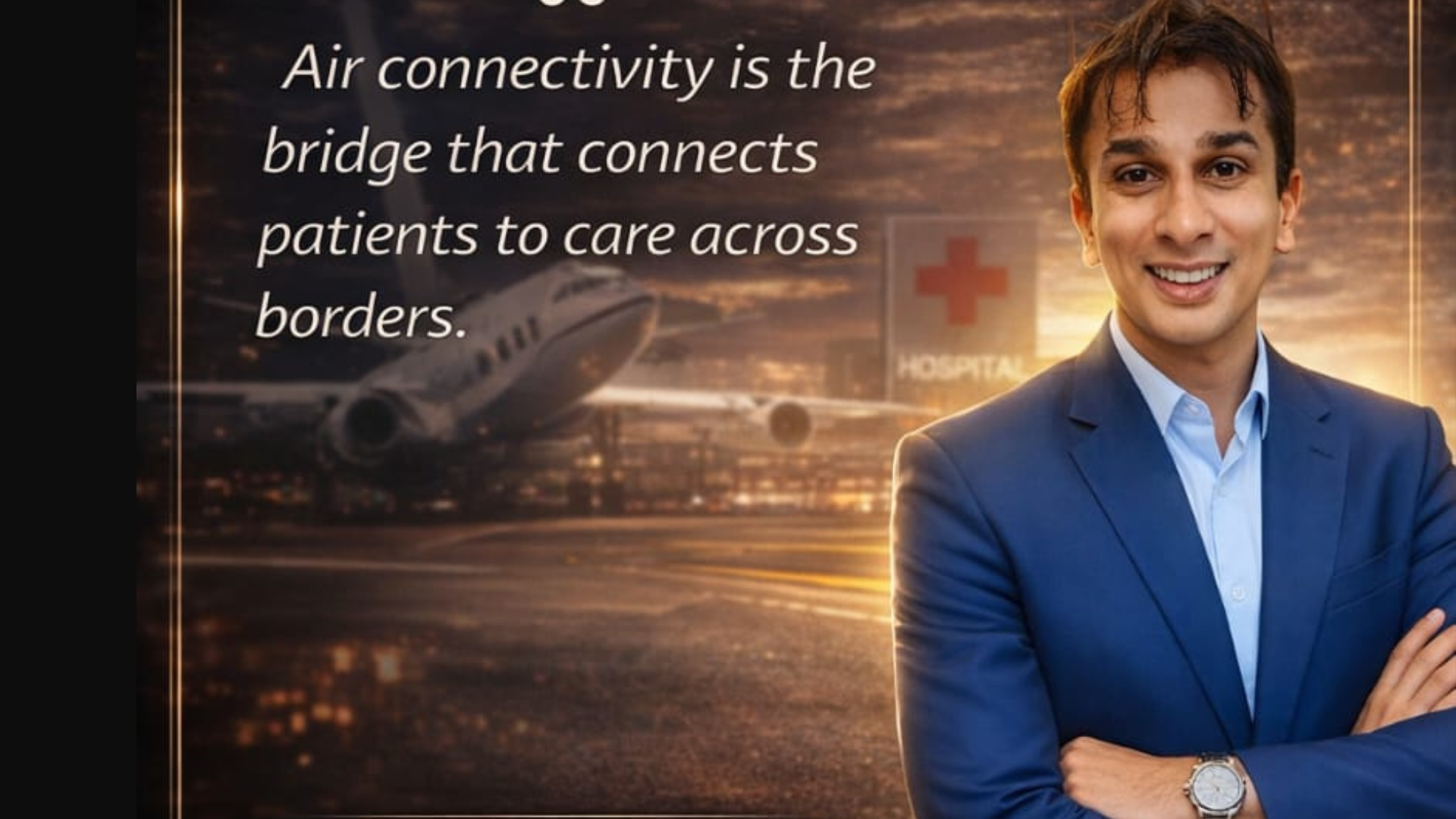
Air connectivity is essential. Without reliable aviation links, cross border healthcare would be much more difficult. Frequent flights between Indonesian cities and Malaysian healthcare hubs make it possible for patients to travel for consultations, procedures and follow up care with relative ease.
From this perspective, aviation acts as the bridge that connects patients to healthcare providers across borders.
Q: Malaysia has become a recognised medical travel destination. What factors have helped support this development?
Adam SK Naidu :
Malaysia has built a structured ecosystem around international patients. Many hospitals have invested in modern medical facilities, specialised doctors and dedicated international patient services.
These services help coordinate appointments, travel arrangements and patient support, which can make the entire process smoother for international patients.
Over time, positive patient experiences also contribute to strong word of mouth among communities.
Q: Language and cultural familiarity are often mentioned as advantages for Indonesian patients travelling to Malaysia. How significant are these factors?
Adam SK Naidu :
They are very important. Communication is a key part of healthcare. Patients need to clearly understand their diagnosis, treatment options and recovery process.
Because Bahasa Malaysia and Bahasa Indonesia share many similarities, communication between patients and healthcare providers can be very comfortable. Cultural familiarity also helps patients and their families feel more at ease during their treatment journey. These elements contribute significantly to the overall patient experience.
Q: From an aviation and aeromedical perspective, how do you see the relationship between aviation and healthcare evolving in the region?
Adam SK Naidu:
I believe the relationship will continue to grow stronger. As healthcare systems across Southeast Asia expand, patients will increasingly have access to treatment options across borders.
Air connectivity will remain a critical enabler of this mobility. Aeromedical services also support the broader healthcare ecosystem by enabling safe patient transfers when specialised care is required.
Ultimately, aviation and healthcare share a common goal, ensuring patients can access the care they need safely and efficiently.
Bridging Healthcare Through Connectivity
The movement of patients across Southeast Asia reflects the growing intersection between aviation and healthcare. As regional air connectivity continues to expand, patients are able to access specialised treatment options more conveniently while maintaining proximity to their home countries.
For leaders such as Adam Sathis Kumar Naidu , this evolving relationship highlights how aviation infrastructure plays a vital role in supporting healthcare access and regional medical mobility.