
Featured Analysis: Fuel Economics and Flight Efficiency Under Pressure
The global aviation industry operates on finely balanced economics, where efficiency, timing, and cost control are critical to maintaining profitability. Developments affecting airspace in parts of the Middle East, including Iran, have introduced new operational considerations for airlines, particularly in relation to fuel consumption and long-haul flight planning.
As airlines adjust routing strategies to accommodate evolving airspace conditions, one of the most immediate and measurable impacts is the effect on fuel usage. For carriers operating between Asia and Europe, even small increases in flight distance can translate into significant cost implications across an entire network.
This evolving situation highlights how closely aviation performance is tied to global operational conditions.
Fuel: The Largest Variable Cost in Aviation
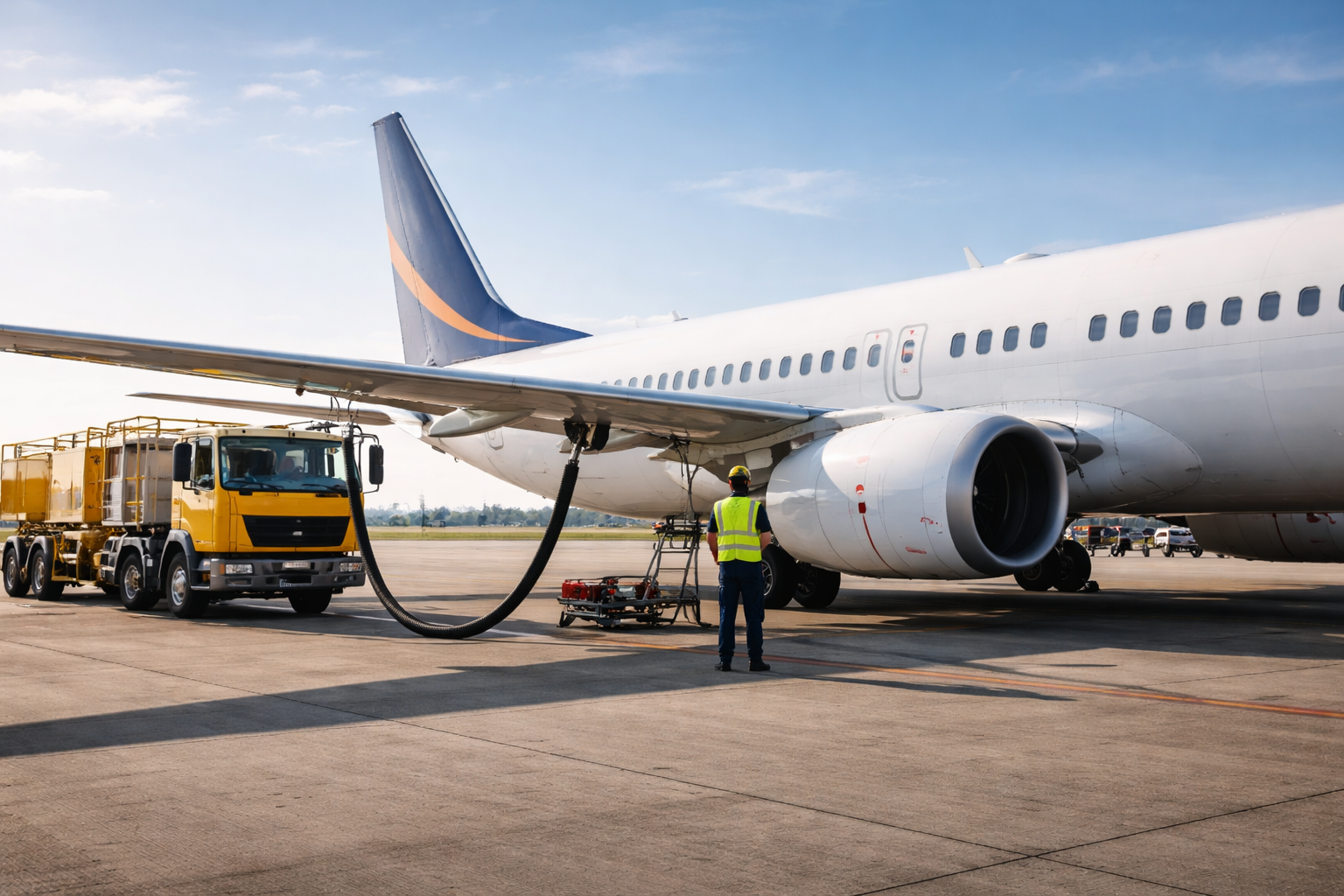
Fuel remains one of the most significant expenses for airlines, often accounting for a substantial portion of total operating costs. As such, airlines invest heavily in optimizing routes to reduce fuel burn and improve efficiency.
Under normal conditions, flight paths across the Middle East provide some of the most direct and fuel-efficient routes connecting Asia and Europe. When airlines adjust these routes, even marginal increases in distance can result in:
- higher fuel consumption
- increased operating costs
- adjustments in load planning
For long-haul aircraft, an additional 30 to 90 minutes of flight time can lead to considerable changes in fuel requirements.
These changes must be carefully managed within the broader context of airline operations.
The Impact of Rerouting on Fuel Efficiency
When airlines select alternative flight paths, they must evaluate trade-offs between safety, efficiency, and operational feasibility.
Alternative routes may involve:
- longer distances
- varying wind patterns
- different cruising altitudes
- increased air traffic congestion
Each of these factors can influence fuel burn.
For example, headwinds along certain northern routes can increase fuel consumption, while congestion in alternative corridors may require aircraft to operate at less optimal altitudes.
Airlines rely on advanced modeling tools to assess these variables and select the most efficient available route under current conditions.
Operational Adjustments by Airlines
To manage increased fuel demands, airlines may implement several operational strategies.
Fuel Planning Optimization
Airlines carefully calculate fuel loads to ensure compliance with safety regulations while minimizing excess weight. Carrying additional fuel increases aircraft weight, which in turn increases fuel burn.
Fleet Utilization
Modern aircraft such as the Airbus A350, Boeing 787, and Boeing 777 offer improved fuel efficiency and extended range capabilities. Airlines may prioritize these aircraft on long-haul routes where efficiency is critical.
Schedule Adjustments
Airlines may adjust departure times or routing schedules to take advantage of more favorable wind conditions, helping to offset increased fuel usage.
Cost Management Strategies
Carriers may also review pricing strategies and operational budgets to accommodate higher fuel-related expenses.
Broader Economic Implications
Changes in fuel consumption at the airline level can have wider implications for the aviation industry and global travel markets.
Ticket Pricing
While airlines aim to maintain competitive pricing, sustained increases in operating costs may eventually influence fare structures, particularly on long-haul routes.
Cargo Operations
Air cargo services, which rely heavily on fuel efficiency, may also be affected. Increased costs can influence freight pricing and logistics planning.
Airline Profitability
Fuel cost fluctuations can directly impact airline financial performance, particularly for carriers operating high volumes of long-haul flights.
Despite these challenges, airlines have developed strong financial and operational resilience, allowing them to adapt to changing conditions.
The Role of Technology in Fuel Efficiency
Modern aviation technology plays a critical role in helping airlines manage fuel consumption under changing conditions.
Advanced flight planning systems integrate real-time data to optimize routes based on:
- weather conditions
- air traffic flow
- aircraft performance
- fuel efficiency models
In-flight systems also allow pilots to make real-time adjustments to improve efficiency, such as selecting optimal cruising altitudes or adjusting speed profiles.
These technologies help airlines maintain efficiency even when operating outside traditional flight corridors.
Sustainability Considerations
The aviation industry is also increasingly focused on sustainability and reducing environmental impact.
Increased fuel consumption due to longer routes may temporarily affect emissions levels. However, airlines continue to invest in:
- fuel-efficient aircraft
- sustainable aviation fuel (SAF)
- carbon reduction initiatives
These efforts support long-term environmental goals while maintaining operational performance.
Industry Resilience and Forward Outlook
The aviation industry has consistently demonstrated its ability to adapt to operational challenges, including changes in airspace conditions.
While the current situation introduces additional complexity, airlines remain well-equipped to manage fuel efficiency through advanced planning, modern aircraft, and coordinated operations.
Passenger demand between Asia and Europe continues to be strong, and airlines are expected to maintain connectivity while optimizing operations.
Conclusion
The evolving airspace situation involving Iran underscores the interconnected nature of global aviation. Small changes in routing can have measurable impacts on fuel consumption, operational planning, and airline economics.
However, through a combination of technology, operational expertise, and industry collaboration, airlines continue to navigate these challenges effectively.
As global aviation evolves, efficiency and adaptability will remain central to sustaining long-haul operations across one of the world’s most important air travel corridors.