


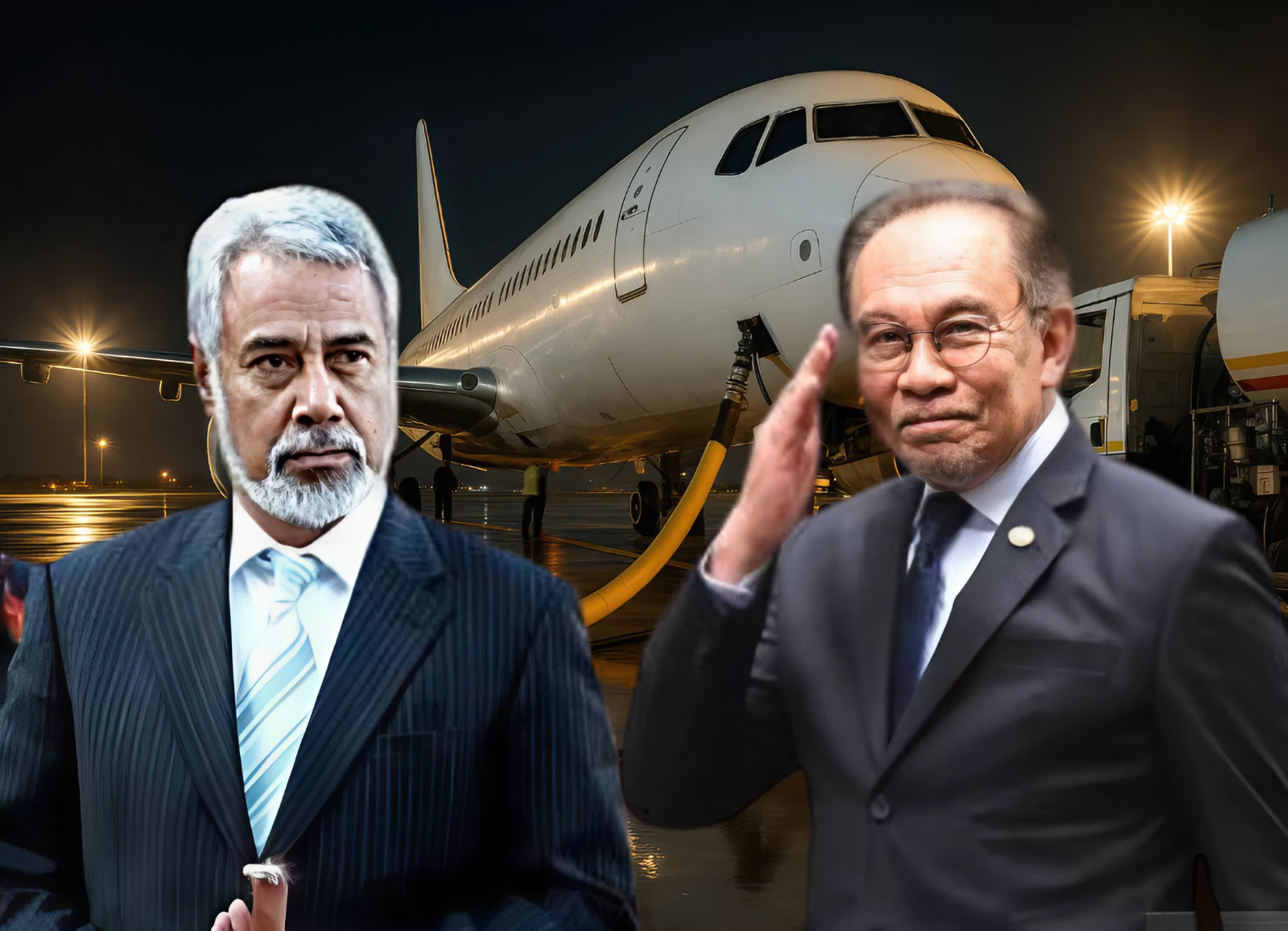
As the ASEAN Summit 2025 unfolds, the aviation sector often seen as a reflection of regional stability, economic strength, and global alliances is undergoing a quiet but significant transformation. This year, the diplomatic dynamics in Southeast Asia have shifted more visibly into the aviation space, influenced by strengthened U.S.ASEAN ties, expanding regional cooperation, and the rise of Timor Leste as the newest participant in the ASEAN aviation ecosystem.
Aviation Becomes a Geopolitical Priority
Aviation is no longer just about transporting passengers; it has become a strategic asset. With growing security concerns, competition for trade routes, and rapid fleet expansion across Asia, countries must now align diplomatic strategies with aviation development.
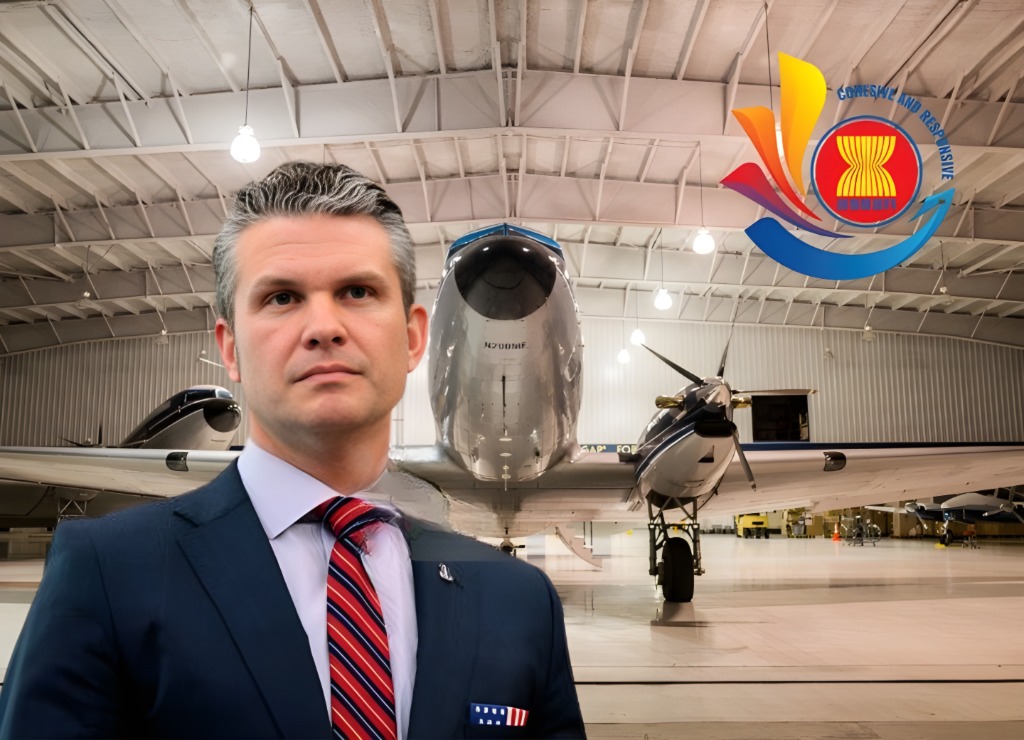
The presence of U.S. delegates including high-level representatives from the Department of Defense and transport agencies signals Washington’s intention to build a more tangible aviation partnership with ASEAN. These engagements extend beyond protocol; they cover airspace safety, cybersecurity, defence cooperation, and technical innovation.
Malaysia’s Strategic Position
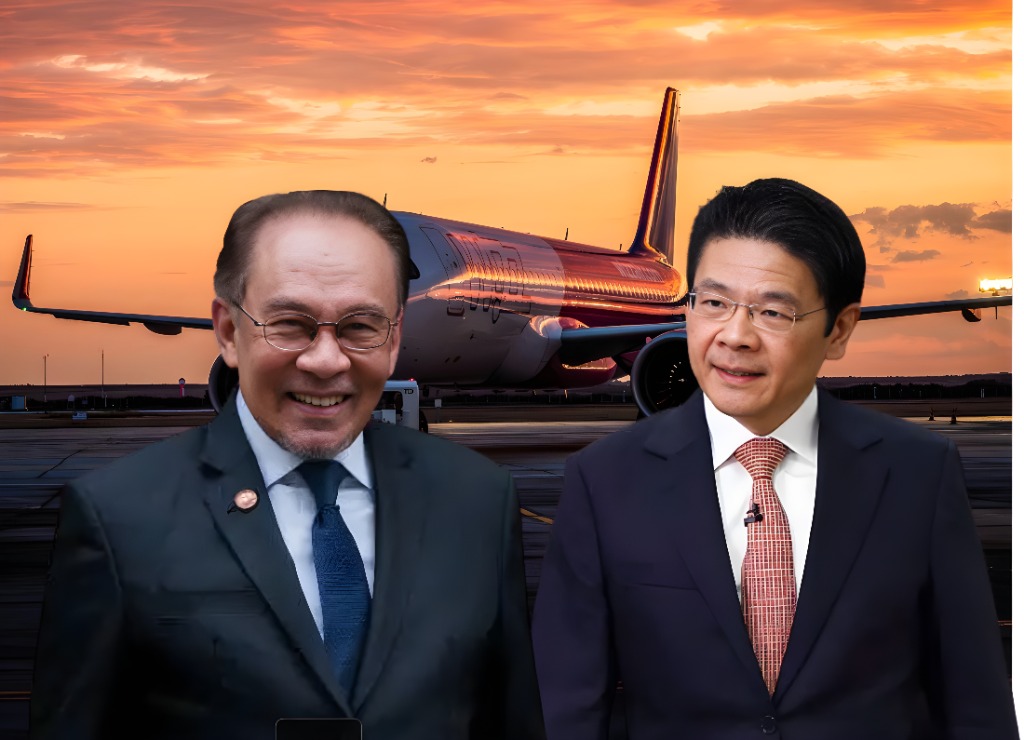
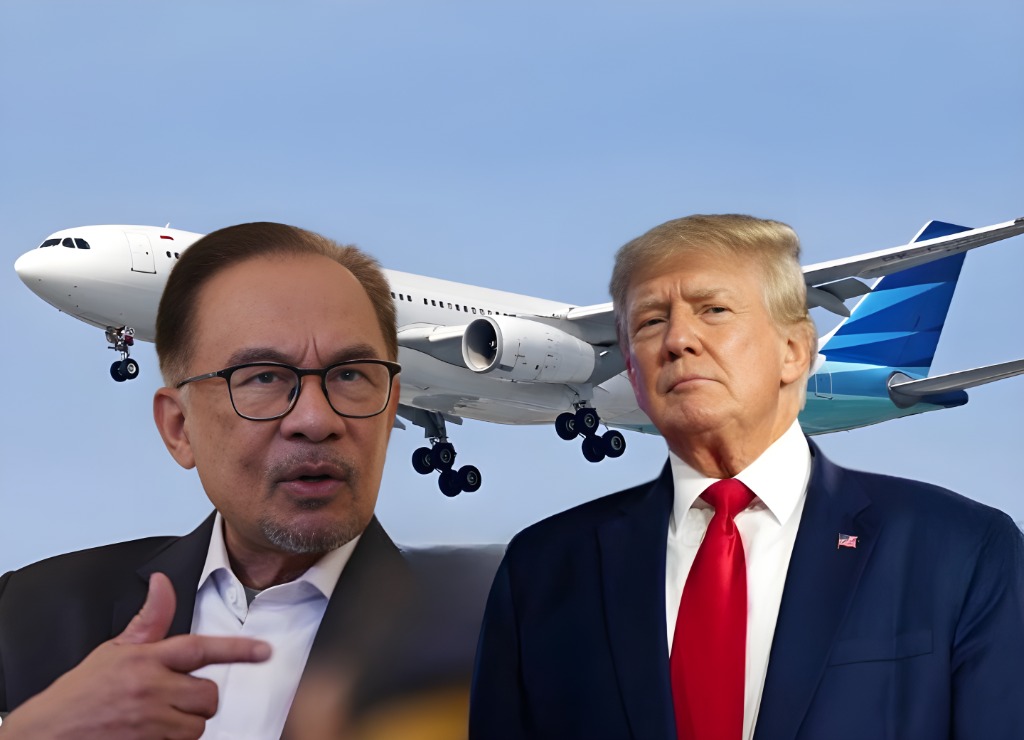
Under Prime Minister Datuk Seri Anwar Ibrahim’s leadership, Malaysia continues strengthening its role as a regional aviation hub supported by:
- KLIA’s strong connectivity across the Indo-Pacific
- Subang Airport’s transformation into a turboprop, private-jet, and aerospace cluster
- Malaysia’s growing MRO capabilities through players like MAB Engineering, AIROD, and private operators
- Digital aviation initiatives in sustainability, medevac, and air mobility
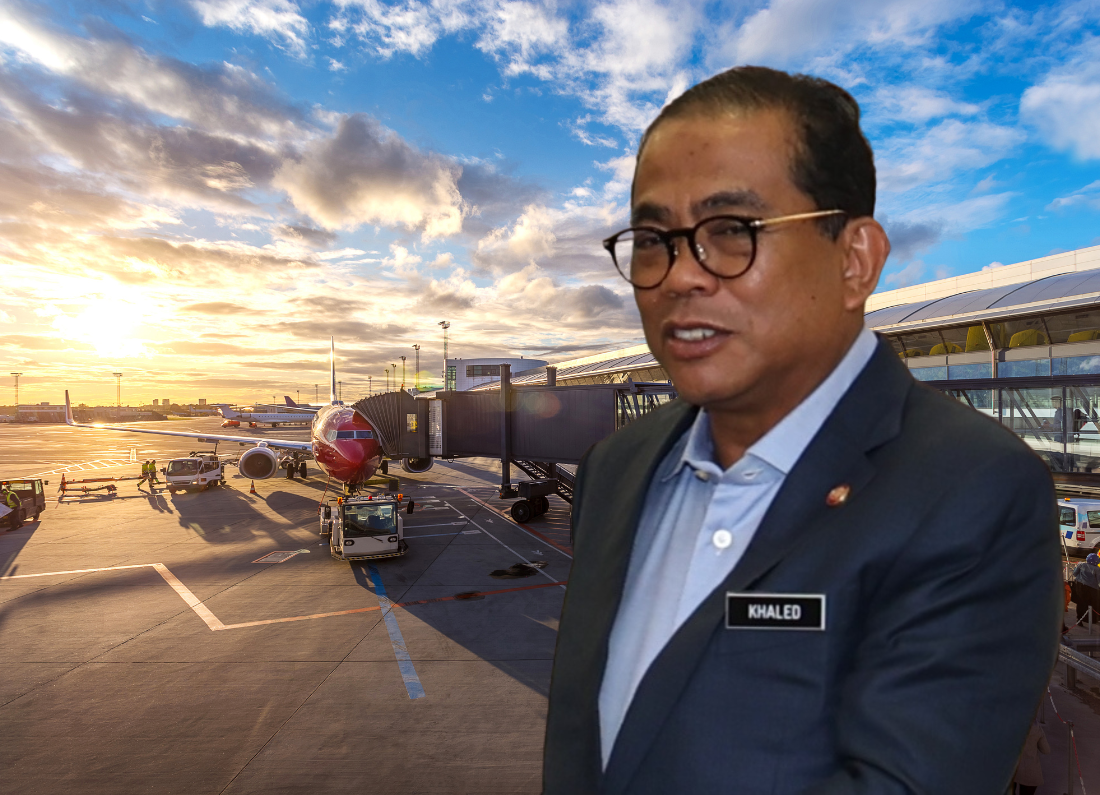
As geopolitical and trade corridors shift, Malaysia is perfectly positioned to lead in four areas: regional hub traffic, maintenance & engineering, medevac & air medical transport, and pilot training.
Timor-Leste: A New Aviation Frontier
Timor-Leste’s growing involvement in ASEAN discussions introduces new opportunities:
- Expanding new air routes in the eastern ASEAN corridor
- Opening technical cooperation for safety oversight & pilot licensing
- Creating potential joint ventures with Malaysia for MRO training and regional medical evacuation support
For Malaysia, Timor-Leste’s aviation development presents a gateway for long-term industry partnerships, especially in niche areas such as air ambulance, medevac, and regional charter operations.
The U.S. Factor: Strengthening Aviation Stability in Southeast Asia
The increased presence of the United States in ASEAN discussions both diplomatically and through defence and aviation agencies has a ripple effect on regional aviation:
- Enhanced interoperability in air safety and defence radar
- Opportunities for U.S. aerospace companies to collaborate with Malaysian and ASEAN carriers
- Strengthened training and exchange programs for pilots, engineers, and technical staff
- Improved aviation security and early-warning capabilities in regional skies
This alignment not only stabilizes the aviation environment but also builds investor confidence, boosting the entire aerospace economy.
A Future Shaped by Diplomacy and Flight
Aviation is now inseparable from diplomacy. The 2025 ASEAN Summit demonstrates how geopolitics, aviation, and economic development can converge to shape regional connectivity for the next decade.
Malaysia stands at the heart of this transformation ready to emerge as one of Asia’s most influential aviation hubs, supported by strategic partnerships, strong political leadership, and growing regional trust.









Leave a Reply