
As ASEAN’s youngest nation steps into a new era of regional integration, Timor-Leste is quietly positioning itself as the next aviation frontier and Malaysia is uniquely placed to lead that transformation. With rising travel demand, untapped air routes, and strategic geographic value, the country offers fertile ground for aviation investors seeking growth beyond traditional markets.
- A Gateway Positioned for Regional Growth
Located between Australia and Indonesia, Timor-Leste sits along a corridor of fast-expanding air traffic. As ASEAN moves toward deeper economic integration, Timor-Leste’s aviation sector presents first-mover opportunities for Malaysian airlines, MROs, FBO operators, and cargo providers.
Malaysia’s strong aviation reputation can give Timor-Leste the boost it needs to modernize its network while giving Malaysian companies a new competitive edge.
- Infrastructure That Needs Investment And Offers High Return Potential
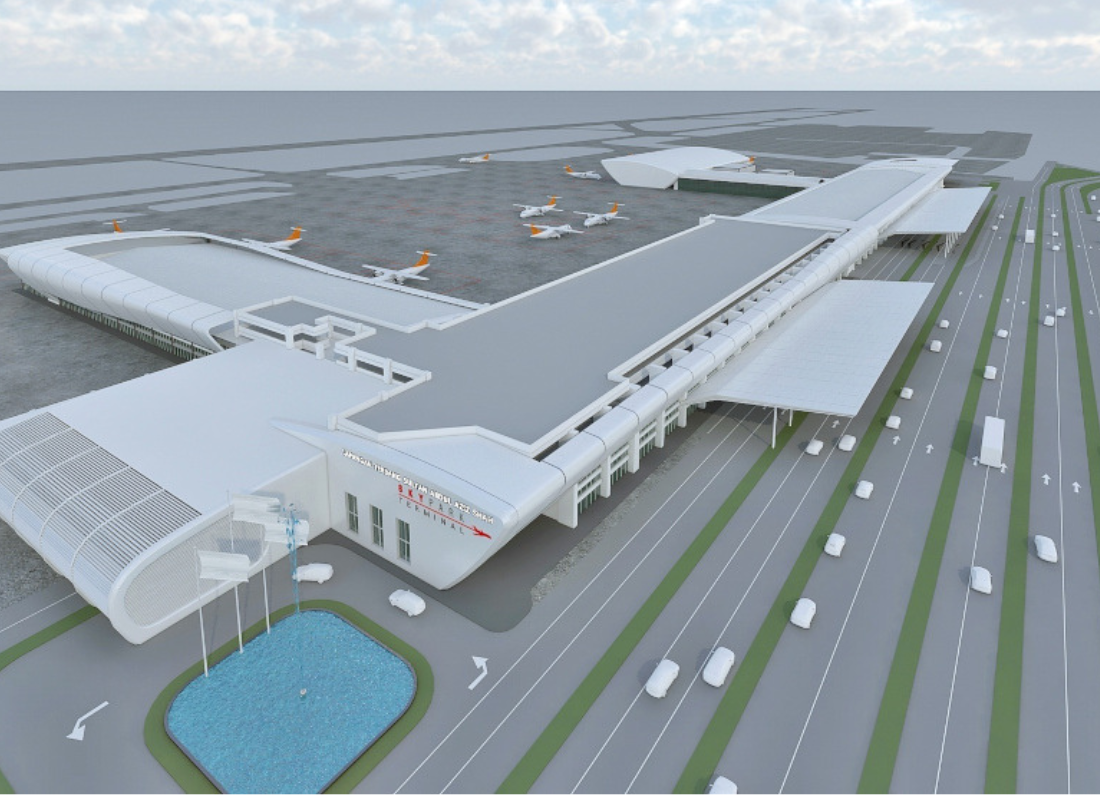
Timor-Leste currently operates with a single major international airport Presidente Nicolau Lobato Airport in Dili. The government has already announced expansion plans, opening the door for Malaysian investors to offer:
- Airport development expertise
- Ground handling partnerships
- Airfield technology and safety equipment
- Training, skills development, and regulatory support
Malaysia’s established aviation ecosystem from KLIA Aeropolis to Subang Airport’s aerospace hub makes it an ideal partner to help Timor-Leste leapfrog into a modern aviation age.
- Tourism Demand Is Rising But Underserved by Air Connectivity
Timor-Leste is home to pristine diving sites, eco-tourism attractions, and untouched islands that appeal to global travellers. Its biggest barrier? Limited direct flights.
For Malaysian airlines full-service and low-cost alike this is a golden opportunity to open:
- New Malaysia–Dili routes
- Charter and seasonal tourism flights
- Medical tourism air bridges
- Business travel connectivity
With Malaysia already a regional travel hub, connecting Timor-Leste becomes a natural progression.
- A Government Led by Vision for Regional Integration
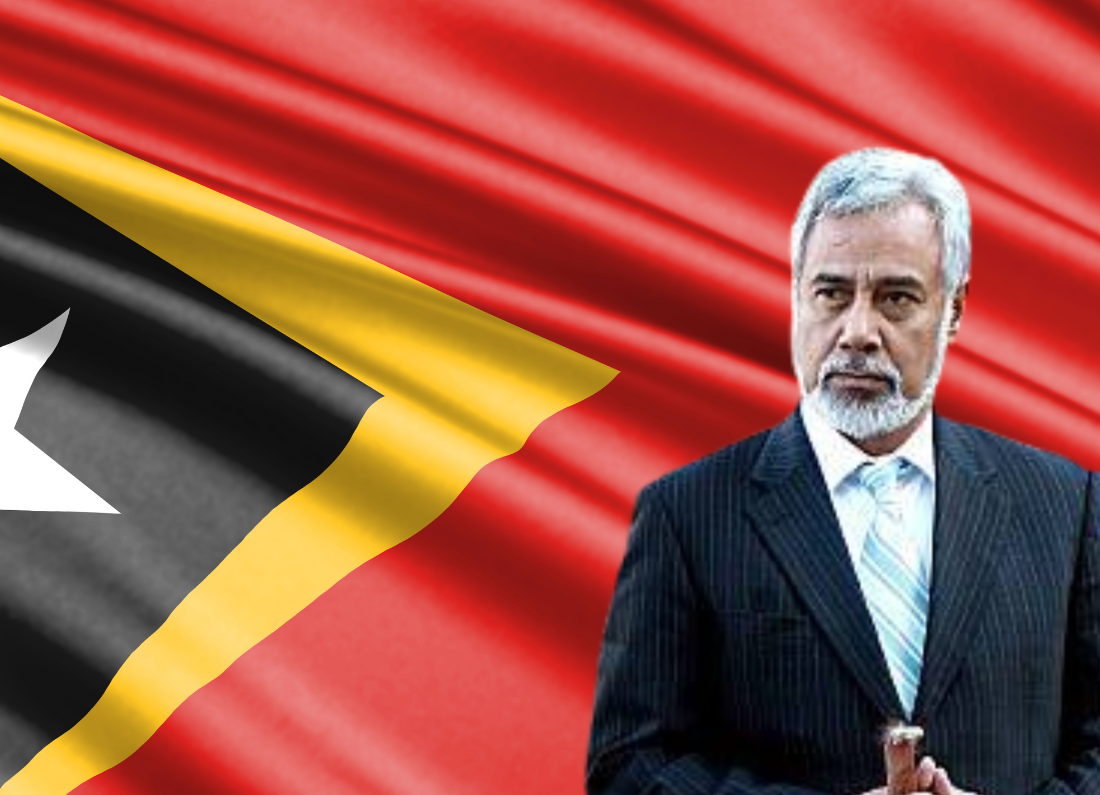
Timor-Leste’s leadership, under Prime Minister Xanana Gusmão, has shown a forward-looking commitment to economic stability and international cooperation.
His government welcomes foreign investment, especially from regional partners with proven aviation capabilities making Malaysia a strong and trusted candidate.
Prime Minister Gusmão’s stance on strengthening ties with ASEAN provides Malaysian investors with:
- Regulatory clarity
- Political stability
- Long-term cooperation possibilities
- Aviation-friendly development policies
- Aviation Training & Human Capital: A Sector Malaysia Can Lead
Timor-Leste’s young population is eager for aviation careers, yet lacks training infrastructure. Malaysia home to some of Asia’s strongest flying schools, MRO academies, and aviation universities can play a significant role in developing:
- Pilots
- Licensed aircraft engineers
- Cabin crew
- Air traffic controllers
- Ground operations specialists
This positions Malaysia not just as an investor, but as a regional aviation mentor.
Why Malaysia Should Look at Timor-Leste Now
Timor-Leste is not just an emerging market—it’s a blank canvas for aviation development. With ASEAN membership on the horizon, the nation will require:
- Better airport infrastructure
- Stronger regional route network
- MRO and cargo capabilities
- Medical evacuation and emergency transport systems
- Aviation training and safety upgrades
Malaysia’s aviation sector has matured to a level where expansion is the next natural step and Timor-Leste may be the most strategic opportunity yet.