
A Major Incident at One of New York’s Busiest Airports
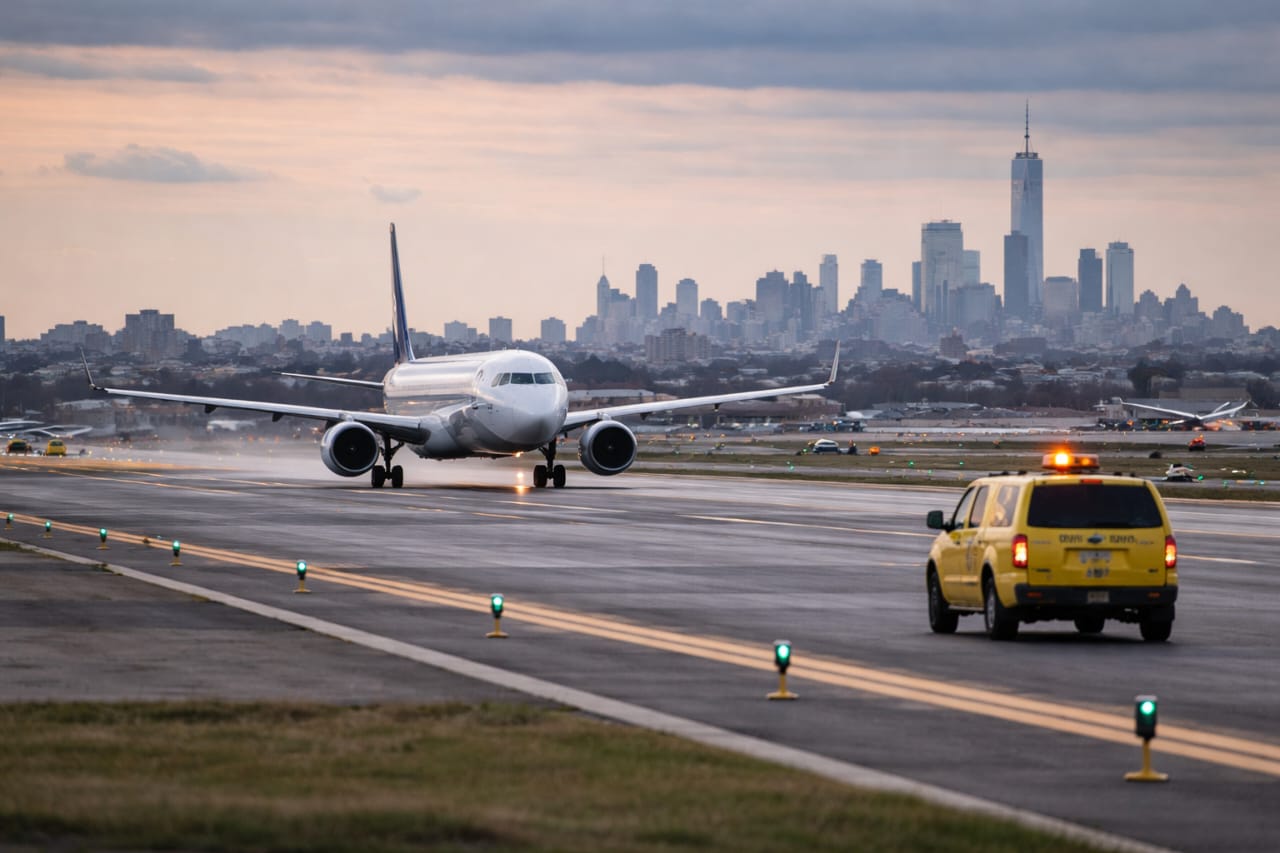
LaGuardia Airport has resumed operations following a deadly runway collision that temporarily shut down one of the United States’ busiest aviation hubs. The incident, involving a regional passenger aircraft and an airport emergency vehicle, has prompted renewed focus on runway safety and air traffic coordination.
While operations have gradually returned, the event has sent shockwaves through the aviation industry, highlighting the complexity of managing high-traffic airports under demanding conditions.
What Happened on the Runway
The collision occurred during a nighttime landing sequence when an incoming regional jet made contact with an airport fire vehicle that had been operating on the runway.
Initial reports indicate that the emergency vehicle had been cleared for runway access during a separate operational situation. However, the timing of aircraft arrival and ground movement resulted in a critical overlap, leading to the collision.
Emergency response teams were deployed immediately, and operations at the airport were halted as a precaution.
Casualties and Immediate Aftermath
The incident resulted in fatalities and multiple injuries, including crew members and ground personnel. Medical teams responded quickly, transporting injured individuals to nearby hospitals.
Airport authorities suspended all flight operations following the collision, leading to widespread disruptions. Hundreds of flights were delayed or cancelled as airlines and air traffic controllers worked to stabilize the situation.
The temporary closure had a cascading effect across regional and international networks, given LaGuardia’s role as a key domestic hub.
Airport Reopens Under Controlled Conditions
LaGuardia Airport reopened several hours after the incident, with operations resuming in a phased and controlled manner.
Airlines have since been working to restore schedules, although delays and cancellations continue to affect passengers. Some runways remain subject to operational limitations as investigations and safety checks continue.
Passengers traveling through the airport are being advised to check flight status updates due to ongoing adjustments.
Investigation and Safety Review
Authorities, including the National Transportation Safety Board (NTSB) and the Federal Aviation Administration (FAA), have launched a full investigation into the incident.
Key areas of focus include:
- coordination between air traffic control and ground operations
- runway access procedures
- communication protocols between aircraft and ground vehicles
Flight data recorders and cockpit voice recordings are expected to provide further insight into the sequence of events.
The investigation is likely to examine both human and system factors to determine how the collision occurred.
Runway Safety Under Scrutiny
Runway incursions, while rare, represent one of the most serious risks in aviation. The incident at LaGuardia underscores the importance of maintaining strict separation between aircraft and ground vehicles.
Modern airports rely on highly coordinated systems to manage movement across runways. These include:
- air traffic control instructions
- ground radar systems
- standardized communication protocols
Even with these safeguards, complex operational environments can present challenges, particularly at busy airports with high traffic volumes.
Broader Implications for Global Aviation
The LaGuardia incident comes at a time when the global aviation industry is already navigating multiple operational pressures, including airspace disruptions in the Middle East.
The event highlights a broader issue: the need for continuous improvement in safety systems, even in well-regulated environments.
Aviation authorities worldwide may review:
- runway access procedures
- coordination between ground vehicles and aircraft
- training and communication protocols
Such reviews are part of the industry’s commitment to maintaining and improving safety standards.
Impact on Airlines and Operations
Airlines operating through LaGuardia have had to adjust schedules and manage passenger disruptions. Aircraft rotations, crew assignments, and connecting flights have all been affected.
Despite these challenges, airlines are working to restore normal operations as quickly as possible. The industry’s ability to respond and adapt is a key factor in minimizing long-term disruption.
Passenger Experience and Recovery
For passengers, the incident has resulted in delays, cancellations, and travel uncertainty. Airlines and airport authorities are providing updates and assistance to help travelers manage changes to their plans.
As operations stabilize, the focus is shifting toward restoring confidence and ensuring smooth travel experiences moving forward.
Looking Ahead
The investigation into the LaGuardia collision will likely lead to recommendations aimed at strengthening runway safety and operational coordination.
The aviation industry has a long history of learning from incidents and implementing improvements. This process is expected to continue as authorities analyze the findings.
Conclusion
The reopening of LaGuardia Airport marks a return to operations following a serious and tragic incident. While the immediate disruption is easing, the impact of the event will continue to be felt across the aviation sector.
The focus now turns to understanding what happened and ensuring that lessons learned contribute to safer skies worldwide.