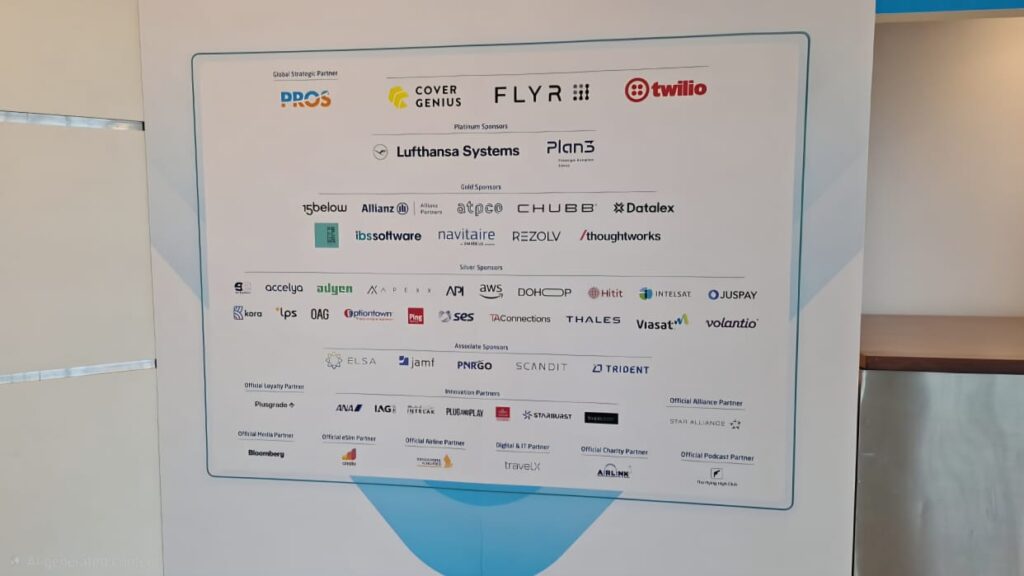

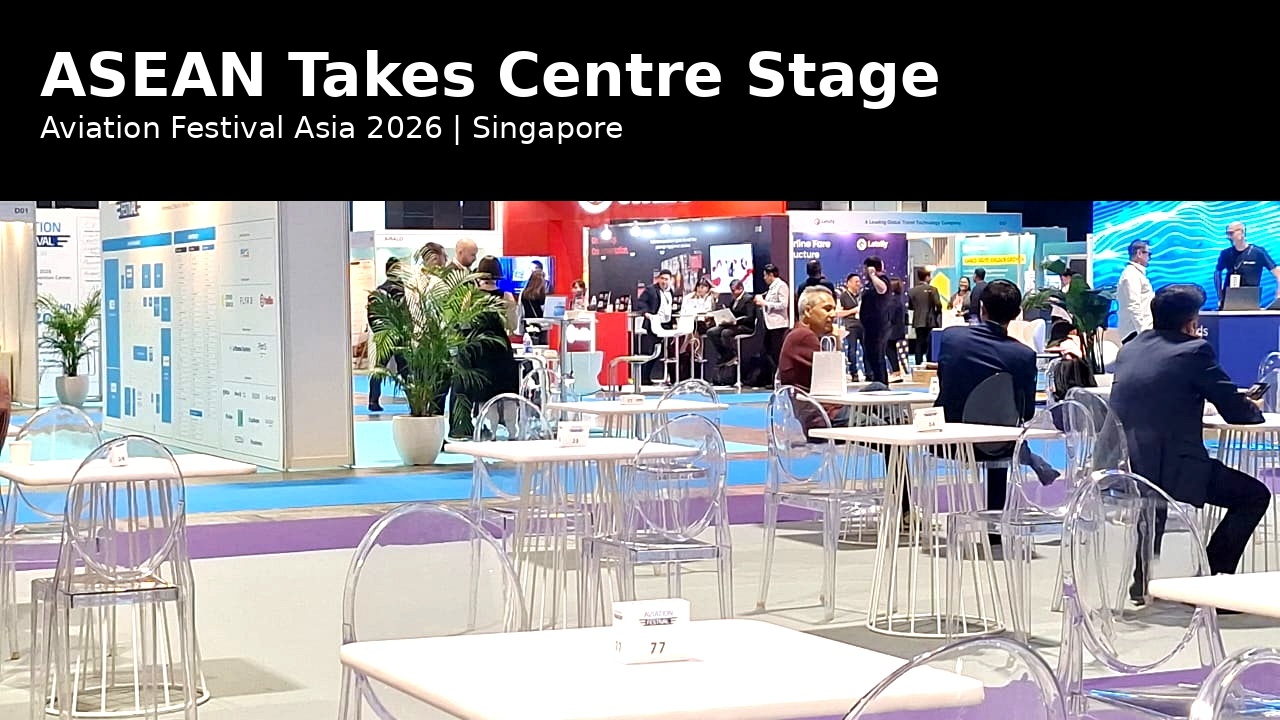
Singapore has once again proven its standing as the aviation capital of the Asia Pacific. On 25 and 26 March 2026, the Suntec Convention and Exhibition Centre played host to Aviation Festival Asia 2026, the region’s premier gathering of airline and airport leaders, technology providers, and aviation innovators. With more than 2,500 attendees drawn from over 70 countries, 150 speakers across six conference tracks, and 150 exhibitors on the show floor, according to organisers, this year’s edition underscored a decisive shift in the global aviation conversation toward Southeast Asia and the broader ASEAN bloc.
The festival, organised by Terrapinn, has grown steadily to become one of the most influential aviation technology conferences in the world. The 2026 programme was built around a clear thematic focus: how technology, innovation, and sustainability are reshaping commercial aviation and driving long-term growth. Delegates from ASEAN member states featured prominently throughout the two-day agenda, reflecting the region’s accelerating influence on global air travel patterns, fleet strategies, and digital transformation.
On the exhibition floor at Suntec Convention and Exhibition Centre, conversations centred on artificial intelligence deployment, pricing analytics, and post-pandemic demand recovery, reflecting the industry’s immediate priorities.
Among the most anticipated sessions was the keynote by Richard Nuttall, who addressed strategy, transformation, and impact. His remarks outlined the flag carrier’s vision for navigating a new era of competition while charting sustainable growth. Also representing the Philippines, Michael Szucs delivered a presentation on charting growth in Asia’s shifting travel landscape, emphasising fleet modernisation and the airline’s commitment to making air travel more accessible across the archipelago. Christoph Gaertner further reinforced the delegation’s depth with insights on data-driven decision making.
Singapore’s own aviation ecosystem was equally visible. Scoot, the low-cost arm of the Singapore Airlines Group, took part in the Battle of the Airline Apps Asia on Day Two, going head-to-head with Turkish Airlines and Virgin Australia in a live on-stage competition judged by an expert panel. The event, a crowd favourite, evaluated each airline’s mobile application on user experience and feature innovation. From the technology side, Firdaus Abhar Ali presented on artificial intelligence-powered customer platforms, conversational AI, and disruption automation, spotlighting the digital ambition of ASEAN’s largest low-cost carrier group.
Beyond ASEAN, the festival attracted senior executives from Air India, SriLankan Airlines, Japan Airlines, Etihad Airways, Gulf Air, Emirates, Qatar Airways, Lufthansa, Delta, and Air France KLM. Campbell Wilson was among the headline speakers, drawing attention to the carrier’s sweeping transformation under Tata Group ownership. The breadth of participation confirmed the event’s role as a bridge between Asia Pacific operators and global stakeholders.
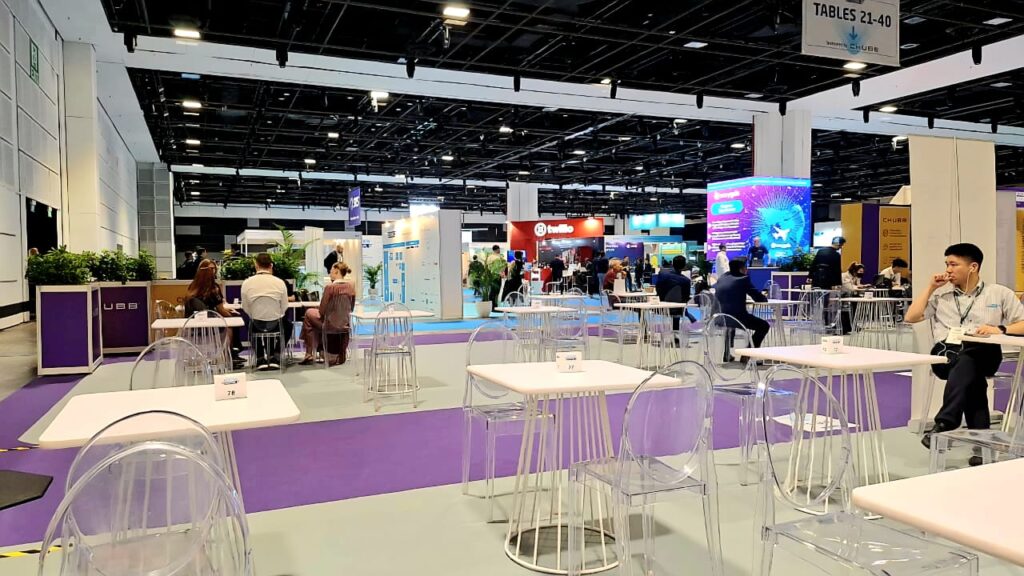
New features at AFA 2026 included the Aviation Connect programme, a structured networking format pairing buyers and sellers in 15-minute meeting sprints, and the inaugural Aviation Festival Asia Awards, recognising top-performing airports and airlines across sustainability, digitisation, and artificial intelligence. A Startup Pitch Competition on Day One gave five emerging aviation technology ventures the chance to present before an expert panel. Media coverage from Bloomberg, BBC, CNBC, and other international outlets ensured the festival’s discussions reached audiences well beyond Suntec.
For ASEAN, the message from AFA 2026 was unmistakable. The region is no longer on the periphery of global aviation strategy. It is at the centre. As airlines modernise fleets, airports embrace smart infrastructure, and regulators pursue open skies frameworks, Southeast Asia’s role in shaping the future of air travel will only deepen. Aviation Festival Asia has positioned itself not just as a platform, but as the stage where the future of aviation is being defined.