
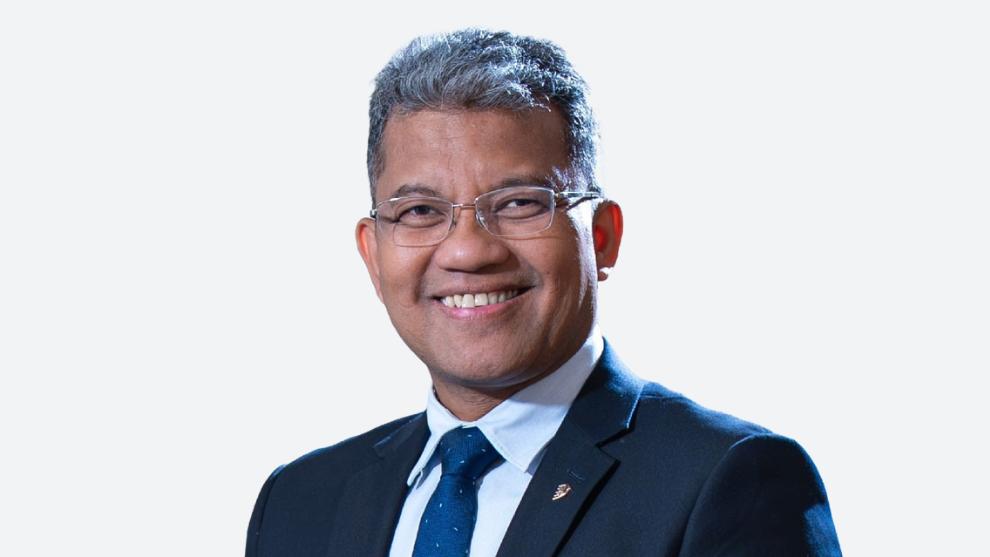
Few airline chief executives have had to confront a rapidly unfolding crisis barely a month into their tenure, but that is precisely the situation that Malaysia Aviation Group’s new President and Group Chief Executive Officer, Captain Nasaruddin A Bakar, has faced since taking the helm of the national carrier’s parent company.
Known to MAG staff as Captain Nasa, the new chief executive had designed a 100 day plan upon taking office, built around three priorities: giving clarity to the organisation, demonstrating that he was in charge, and building trust across the group. A key element of this early phase included meeting more than 4,000 employees in his first month through a series of internal engagements.
The escalation of the conflict in the Middle East upended many of these plans, forcing what Captain Nasaruddin has described as a quick re pivot towards more pressing operational and financial concerns. The Iran war has disrupted airspace across critical Asia Europe corridors, driven fuel costs sharply higher and forced airlines across the region to reroute, reduce frequencies and absorb significant additional operating costs.
Speaking at MAG’s financial results briefing on 2 April, Captain Nasaruddin stressed that the business remains on stable financial footing and that fleet delivery plans, including the scheduled arrival of 10 more aircrafts through the end of the year, remain on track with no delays. The reassurance came amid industry wide concerns about the financial resilience of airlines operating through the disrupted environment.
When asked about whether MAG’s broader strategy would change should the conflict persist, Captain Nasaruddin’s response was measured, centring on two words that have become a recurring theme in his early leadership: review and adjust. The approach reflects a pragmatic recognition that the operating environment remains fluid and that rigid long term planning may need to give way to tactical flexibility.
The new CEO’s appointment comes at a pivotal moment for MAG. The group is executing the third iteration of its Long Term Business Plan (LTBP 3.0), which outlines the pathway for Malaysia Airlines and its sister carriers to achieve the ambitious target of becoming one of the world’s top 10 global airline groups by 2030. Under this plan, the group has been expanding its network aggressively, with the recent announcement of new routes to Shenzhen, Changsha and the resumption of services to Fukuoka after nearly 20 years.
Captain Nasaruddin brings deep operational experience to the role. A career pilot by background, his appointment was seen within the industry as a signal that MAG’s board values hands on operational leadership during a period of heightened complexity. His early engagement with thousands of frontline staff also suggests an awareness that organisational cohesion is critical during times of crisis.
The challenges facing MAG are not unique. Airlines across the Asia Pacific region are grappling with the same set of pressures: elevated fuel costs, airspace restrictions, schedule disruptions and the need to maintain passenger confidence while managing thinning margins. What distinguishes the MAG situation is the timing, with a new leader having to balance crisis management with the execution of an ambitious growth strategy simultaneously.
Industry observers will be watching closely to see how Captain Nasaruddin’s review and adjust philosophy translates into concrete decisions over the coming months, particularly around network planning, fleet deployment and cost management as the Middle East situation evolves.
MAG comprises Malaysia Airlines, regional carrier Firefly and pilgrimage travel solutions provider Amal by Malaysia Airlines.