
Introduction
The global aviation industry continues to navigate a complex recovery phase following the unprecedented disruption caused by the COVID-19 pandemic. As travel demand rebounds across regions, airlines are required to balance rapid capacity restoration with operational stability and financial discipline. This transition has introduced a new set of challenges, particularly for carriers operating high-frequency, cost-sensitive networks.
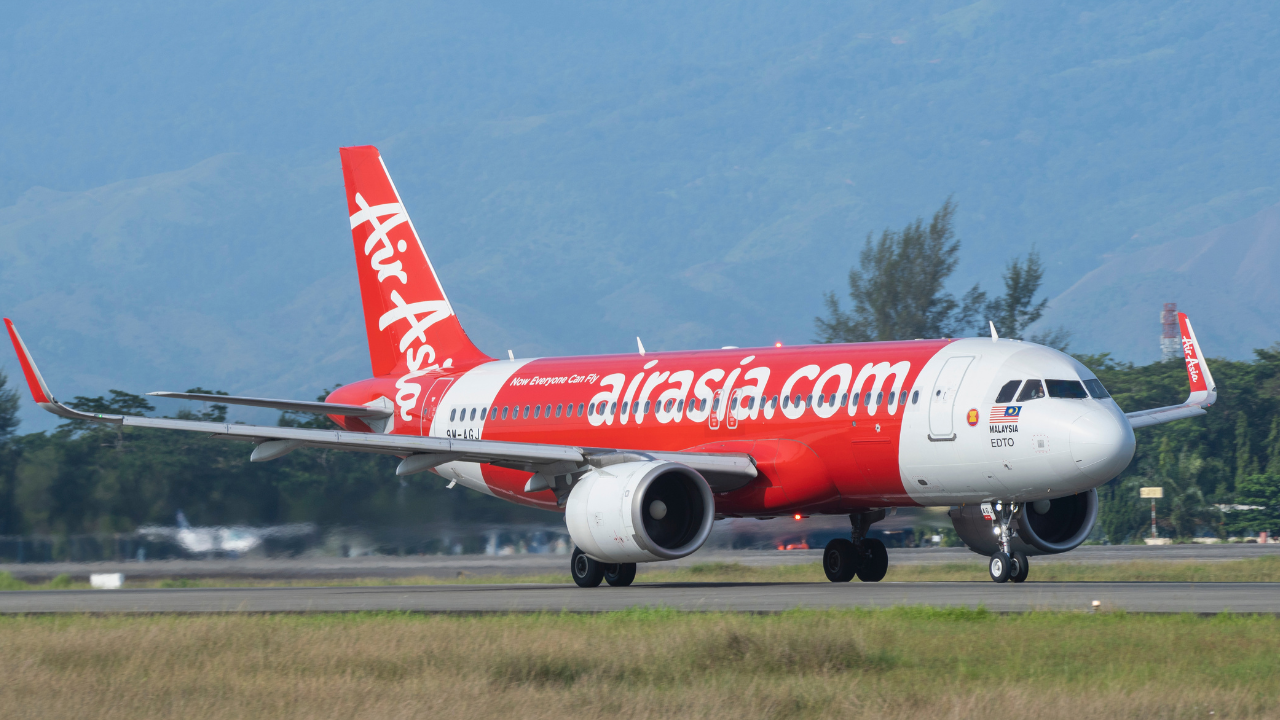
Like many airlines globally, AirAsia has navigated a dynamic post-pandemic environment shaped by evolving demand patterns, operational adjustments, and strategic repositioning. As one of Southeast Asia’s most prominent low-cost carriers, its recovery approach offers valuable insight into how airlines can adapt to changing market conditions while maintaining operational efficiency.
Recovery Environment
The reopening of borders across Asia-Pacific triggered a strong resurgence in both leisure and business travel, particularly within short- and medium-haul markets. Southeast Asia, with its high population density and growing middle class, experienced a rapid return in passenger volumes, driven by pent-up demand and improved regional connectivity.
However, this recovery was not without its complexities. Airlines faced the dual challenge of scaling operations quickly while managing the constraints left by the pandemic. Workforce restructuring during the downturn meant that staffing levels had to be rebuilt in parallel with operational expansion. At the same time, aircraft that had been grounded for extended periods required maintenance checks and phased reactivation before returning to service.
These conditions created an environment where operational discipline and strategic planning became critical. Airlines needed to ensure that capacity growth was aligned with demand while avoiding overstretching available resources.
Strategic Response
AirAsia’s response to this environment has been characterized by a structured and measured approach, focusing on operational efficiency, digital integration, and targeted network deployment.
Digital Integration and Ecosystem Development
A central pillar of AirAsia’s strategy has been the continued development of its digital platform. By integrating flight bookings, ancillary services, and broader lifestyle offerings into a unified ecosystem, the airline has enhanced both customer engagement and operational efficiency. This digital approach supports streamlined processes, improved data utilization, and expanded revenue opportunities beyond traditional ticket sales.
Network Optimization
Rather than restoring its entire pre-pandemic network immediately, AirAsia prioritized routes with strong and consistent demand. This selective approach allowed the airline to allocate capacity more effectively, focusing on markets that offered higher load factors and revenue potential. By aligning network deployment with real-time demand trends, the airline was able to maintain operational efficiency while supporting gradual expansion.
Fleet Reactivation Strategy
Aircraft reactivation was conducted in a phased manner, ensuring that fleet capacity remained aligned with market conditions. This measured approach minimized operational risk and supported stable service delivery. It also allowed maintenance teams to manage aircraft readiness more effectively, reducing the likelihood of disruptions associated with rapid scaling.
Operational Impact
The implementation of these strategies has contributed to a steady improvement in operational performance. AirAsia has observed increasing passenger volumes across key markets, supported by strong demand for regional travel. Load factors have improved as capacity deployment becomes more targeted, reflecting a more efficient balance between supply and demand.
Operational stability has also been reinforced through disciplined scheduling and resource management. By avoiding rapid overexpansion, the airline has been able to maintain service reliability while gradually increasing frequency on high-demand routes. This approach has helped mitigate the risks typically associated with rapid recovery phases.
While the broader recovery process remains ongoing, the airline’s ability to adapt to changing conditions has supported a more controlled and sustainable return to growth.
Strategic Insight
The experience of AirAsia highlights a broader industry lesson:
Operational resilience is not defined by speed of recovery, but by the ability to adapt effectively to evolving conditions.
Airlines that have successfully navigated the post-pandemic environment share several common characteristics. These include the ability to align capacity with demand, maintain flexibility in network planning, and leverage digital tools to enhance both efficiency and customer experience.
In this context, digital transformation has evolved from a competitive advantage into a fundamental requirement. Airlines are increasingly relying on integrated platforms to manage operations, engage customers, and diversify revenue streams. At the same time, disciplined growth strategies have become essential in ensuring that expansion is both sustainable and resilient.
Industry Implications
The case of AirAsia reflects wider trends shaping the aviation industry as it moves into a new phase of development. As of 2025–2026, these trends continue to influence operational and strategic decisions across the sector.
First, the importance of flexibility has been reinforced. Airlines must be prepared to adjust capacity, redeploy resources, and respond to shifts in demand with agility. Static operating models are no longer sufficient in an environment characterized by uncertainty and rapid change.
Second, digital integration is becoming increasingly central to airline operations. From booking systems to operational planning, technology is enabling more efficient and responsive decision-making processes. Airlines that invest in digital capabilities are better positioned to manage complexity and enhance customer experience.
Third, workforce management remains a critical consideration. Rebuilding and retaining skilled personnel is essential to supporting long-term growth. This includes not only flight crews but also maintenance, ground operations, and support staff.
For regulators and industry stakeholders, these developments highlight the need for coordinated support, including infrastructure readiness, policy alignment, and continued investment in aviation ecosystems.
AirAsia’s post-pandemic recovery illustrates the importance of strategic adaptation in a rapidly evolving aviation landscape. Through a combination of digital integration, operational discipline, and targeted network deployment, the airline has navigated a complex environment while maintaining stability.
As the industry continues to recover and expand, the ability to balance growth with resilience will remain a defining factor for success. The lessons drawn from this case study provide valuable insight for airlines, regulators, and stakeholders seeking to build sustainable and future-ready operations.
Editorial Note
This case study is based on publicly available industry developments and is intended for informational purposes only.