
The aviation industry across Southeast Asia is entering a new phase of development, as airlines and aviation stakeholders shift from rapid post-pandemic expansion toward a more disciplined and strategic growth model.
Following a strong recovery in passenger demand, the focus across ASEAN is now evolving towards profitability, operational efficiency, and long-term sustainability. Airlines are no longer driven purely by expansion, but are instead placing greater emphasis on managing costs while maintaining service quality and network strength.
Major regional carriers such as AirAsia and Singapore Airlines continue to maintain stable operations, supported by resilient travel demand across key markets. However, their approach to growth has become more measured, with increasing attention given to route optimization, capacity alignment, and overall operational performance. This reflects a broader industry shift towards value-driven growth rather than scale alone.
Rising operational costs are playing a significant role in shaping these strategies. Fuel prices remain volatile, and ongoing cost pressures are requiring airlines to adopt a more disciplined approach to operations. In response, carriers are focusing on improving efficiency, refining scheduling, and ensuring that capacity deployment is aligned with demand and profitability.
Aircraft manufacturers such as Airbus and Boeing continue to support this transition through the development and delivery of more fuel-efficient aircraft. These advancements are helping airlines manage costs more effectively while maintaining competitiveness in an increasingly challenging operating environment.
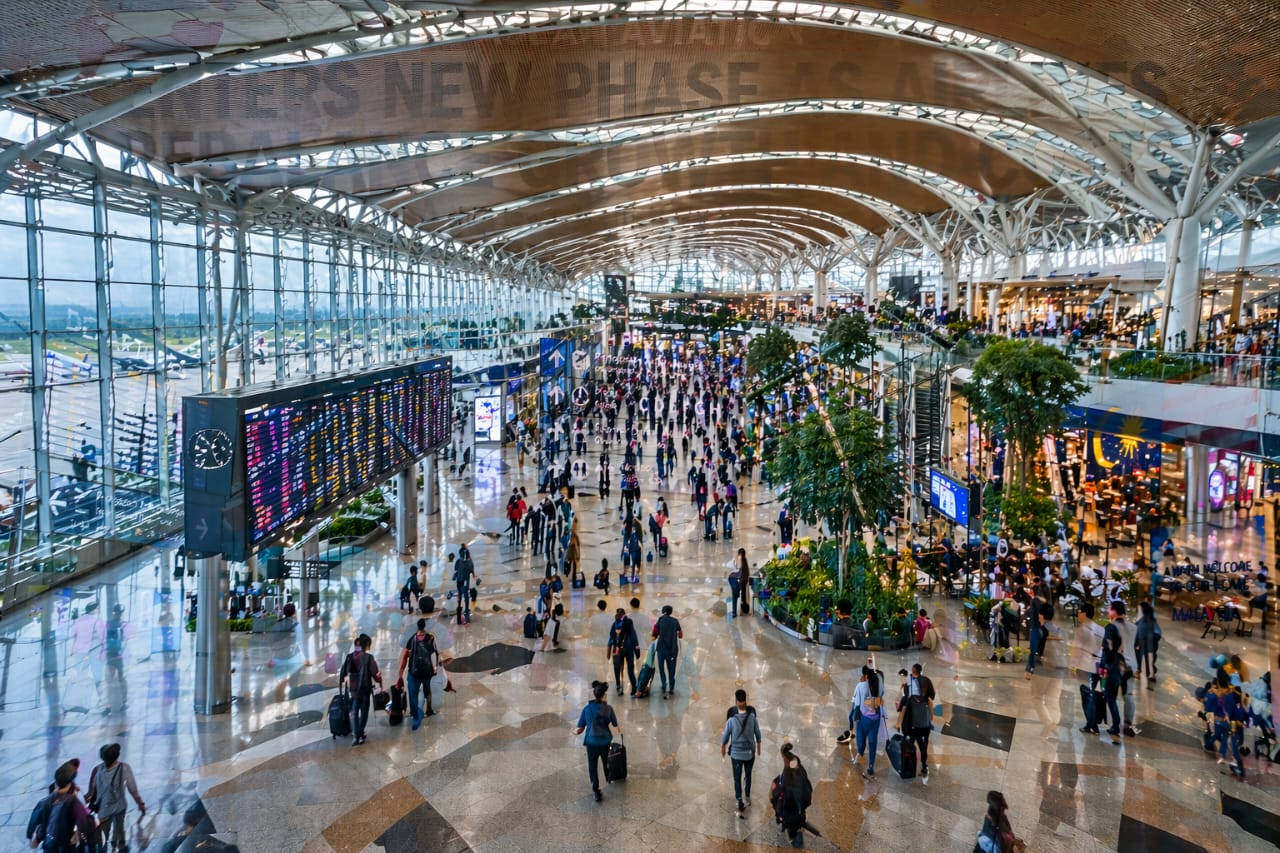
Despite these pressures, passenger demand across Southeast Asia remains strong. Major aviation hubs including Kuala Lumpur International Airport and Singapore Changi Airport continue to experience steady passenger traffic, driven by robust intra-regional travel and tourism recovery. This sustained demand provides a solid foundation for continued growth, even as airlines adopt more cautious strategies.
Airport operators across the region are also maintaining a long-term outlook. Organisations such as Malaysia Airports Holdings Berhad and Changi Airport Group continue to invest in infrastructure improvements and capacity enhancements. These developments reflect ongoing confidence in the long-term prospects of ASEAN aviation and its role as a key global travel market.
At the same time, technology is becoming increasingly central to the industry’s evolution. Airlines and airports are accelerating the adoption of digital solutions to improve operational efficiency and enhance the passenger experience. Companies such as SITA are supporting this transformation, enabling more data-driven and responsive operations across the aviation ecosystem.
The competitive landscape within ASEAN is also intensifying, with airlines refining their market positioning and expanding into new and emerging routes. This has led to greater innovation and improved service offerings, while reinforcing the need for strategic discipline across the industry.
As ASEAN aviation moves beyond the recovery phase, it is now entering a period defined by strategic adjustment and sustainable growth. The ability to balance expansion with efficiency, and ambition with financial discipline, will be critical in shaping the next chapter of the region’s aviation development.