

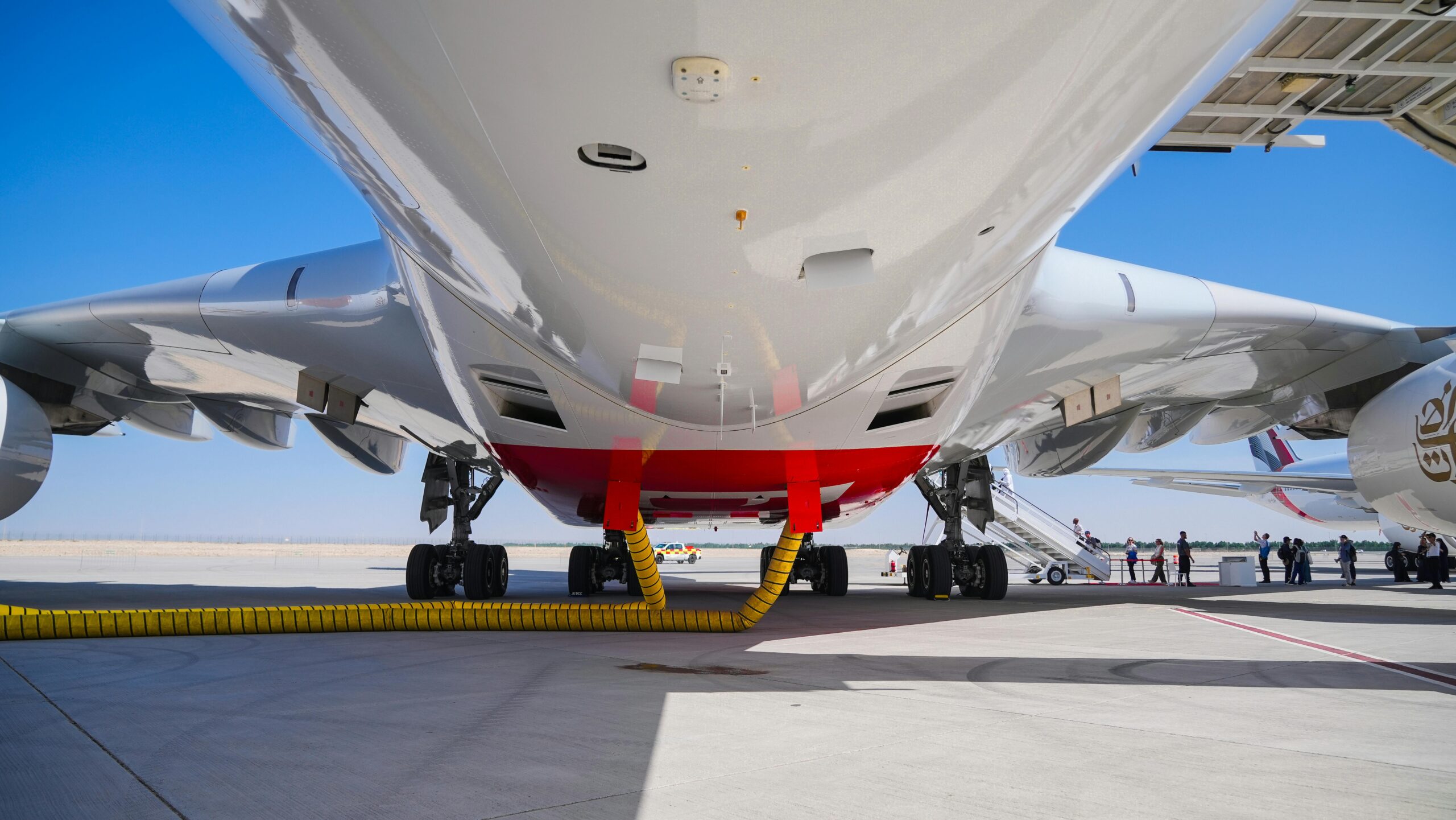
The Asian aviation sector entered 2026 on a steady recovery path, supported by strong passenger demand and expanding regional connectivity. However, rising jet fuel costs have emerged as a key operational challenge, prompting airlines to reassess capacity deployment, route strategies, and cost structures. While the industry remains resilient, current conditions are encouraging a shift from rapid expansion toward more measured, efficiency driven growth.
Fuel Costs and Operating Pressure
Jet fuel remains one of the largest operating expenses for airlines, often accounting for approximately 25% to 35% of total operating costs, depending on market conditions and fleet composition.
In early 2026, fuel prices have shown upward movement influenced by global supply dynamics, currency fluctuations, and geopolitical developments. Higher fuel costs may place upward pressure on airline expenditure, particularly for long haul and high frequency operations.
As a response, airlines are focusing on fuel optimisation measures such as improved flight planning, efficient aircraft utilisation, and weight management strategies.
Key Industry Indicators (Asia Pacific)
| Indicator | Latest Available Data | Trend |
|---|---|---|
| International Passengers (Feb 2026) | 33.0 million | +9.0% YoY |
| Average Passenger Load Factor | ~82% | Stable |
| Fuel Cost Share of Operating Cost | 25% – 35% | Increasing pressure |
| Regional Traffic Demand | Growing | Moderating pace |
Source: Association of Asia Pacific Airlines, International Air Transport Association
Capacity Discipline and Route Strategy
In response to cost pressures, airlines across Asia are adopting a more cautious and structured approach to capacity expansion. This includes adjusting flight frequencies, refining route networks, and prioritising routes with stronger demand profiles.
There is a clear shift toward maintaining sustainable yields rather than focusing solely on passenger volume growth. Airlines are aligning supply more closely with demand conditions to support financial stability.
These adjustments reflect operational discipline rather than a decline in market activity, indicating a more mature phase of recovery.
Evolving Passenger Behaviour
Cost conditions can influence travel decisions, particularly among price sensitive segments. In the current environment, some travellers may be more selective, balancing travel needs with affordability.
Domestic and short haul travel continues to demonstrate relative resilience, supported by lower costs and shorter travel durations. International demand remains present, though it may be influenced by pricing trends and broader economic conditions.
This shift highlights the importance of flexible network planning as airlines respond to varying demand patterns across regions.
Implications for Low Cost Carriers
Low cost carriers remain a key driver of air travel accessibility in Asia. However, their business model, which emphasises competitive pricing and high utilisation, can be sensitive to fuel cost fluctuations.
In response, operators may review route performance, optimise ancillary revenue streams, and strengthen cost control measures. These adjustments support operational sustainability while maintaining affordability.
The low cost model continues to play an important role in regional connectivity, particularly in markets with strong demand fundamentals.
Industry Outlook and Operational Adaptation
Despite near term cost pressures, the long term outlook for Asian aviation remains positive. Growth drivers such as an expanding middle class, increasing tourism demand, and infrastructure development continue to support the sector.
Airlines are also accelerating efforts to improve fuel efficiency through fleet modernisation and operational enhancements. New generation aircraft and improved fuel management practices are contributing to gradual efficiency gains.
In parallel, industry initiatives related to sustainable aviation fuels and advanced aircraft concepts are gaining traction, reflecting a broader focus on long term resilience.
Rising jet fuel costs in 2026 are encouraging Asian airlines to adopt a more balanced and disciplined approach to operations. Through careful capacity management, cost optimisation, and adaptive planning, the industry is navigating current challenges while maintaining forward momentum.
These developments highlight the sector’s ability to respond strategically to changing conditions. As the year progresses, efficiency, resilience, and sustainable growth are expected to remain central to the evolution of Asian aviation.