
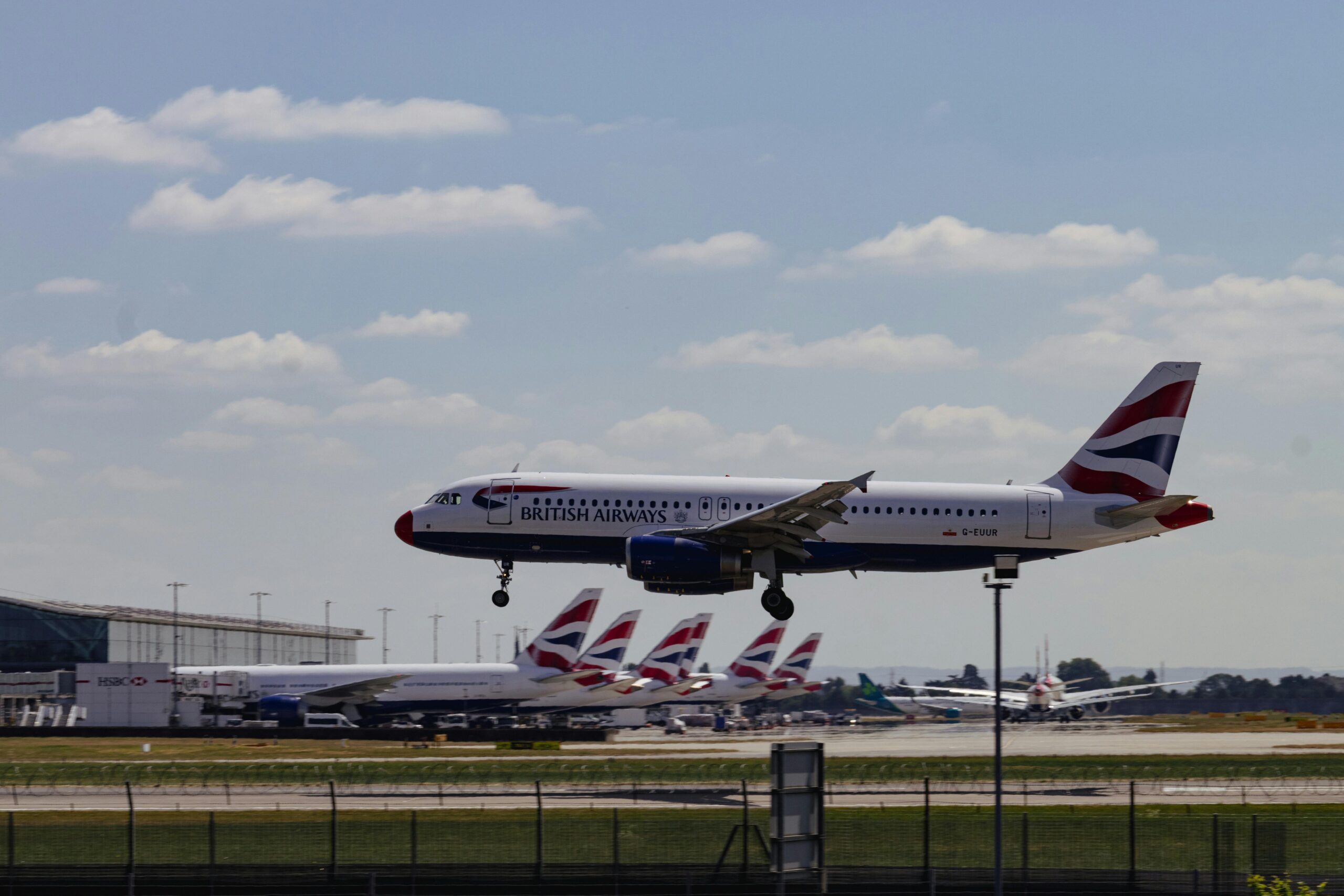
Heathrow has warned that its passenger numbers for the rest of 2026 are likely to be affected by the conflict in the Middle East, even though the airport is currently absorbing some of the demand displaced from Gulf carriers and their hubs.
In its first quarter trading update issued on 29 April, the west London airport said 18.9 million passengers travelled through its four operational terminals between January and March, a year on year increase of 3.7 percent. Heathrow attributed part of that growth to having “temporarily absorbed demand from elsewhere” as airlines and travellers adjusted their routings.
Around half a million passengers a day typically transit through Dubai, Doha or Abu Dhabi, the major connection points between Europe and the markets of Asia and Australia. Heathrow has linked the disruption to airspace closures earlier this year. Most of the affected airspace has since reopened, but operators report that many travellers are still avoiding the region.
What Heathrow said
In its statement to investors, Heathrow said: “While Heathrow has temporarily absorbed demand from elsewhere, passenger numbers for the rest of the year are likely to be impacted whilst there is significant uncertainty in the Middle East.”
The airport added that it had not yet revised its full year 2026 outlook, but confirmed it had seen an impact from the recent disruption and would reflect developments in its June 2026 investor report.
Numbers behind the warning
- Passenger volume Q1 2026: 18.9 million, up 3.7 percent year on year.
- Group revenue: £844 million, up 2.3 percent on the same quarter in 2025.
- Retail revenue: £179 million, up 5.3 percent year on year, outpacing traffic growth.
- Adjusted EBITDA: £449 million, down 1.1 percent.
- Adjusted operating costs: up 6.5 percent, driven by wages, employer national insurance, IT investment and passenger assistance volumes.
A capacity argument, restated
Chief Financial Officer Sally Ding used the trading update to renew Heathrow’s long running case for expansion. She said the airport was ready to proceed with a third runway provided the right regulatory framework and government policy were in place, arguing that operating at full capacity translated into fewer choices, higher fares and missed economic opportunity for the United Kingdom.
Ding described the start of 2026 as solid but the outlook as uncertain. The third runway proposal remains subject to planning approval and a contested cost recovery debate with the Civil Aviation Authority and airline customers.
What it means for the wider industry
For carriers operating into and through the Gulf, the message from Heathrow is consistent with what several European hubs have reported in recent weeks. When passengers perceive elevated risk over a region, they do not simply postpone trips. They reroute, often via Europe, and they delay long haul itineraries that involve transfers in affected airspace. That shift is visible in Heathrow’s transfer numbers.
For Asian and Southeast Asian airlines, including Malaysian carriers serving Europe, the picture is mixed. Codeshare and interline traffic that historically funnels through Dubai, Doha or Abu Dhabi has options, but each rerouting brings higher fuel burn, longer block times and tighter crew rostering. Network planners will be watching the June investor report from Heathrow closely for guidance on how persistent the demand shift is likely to be.