

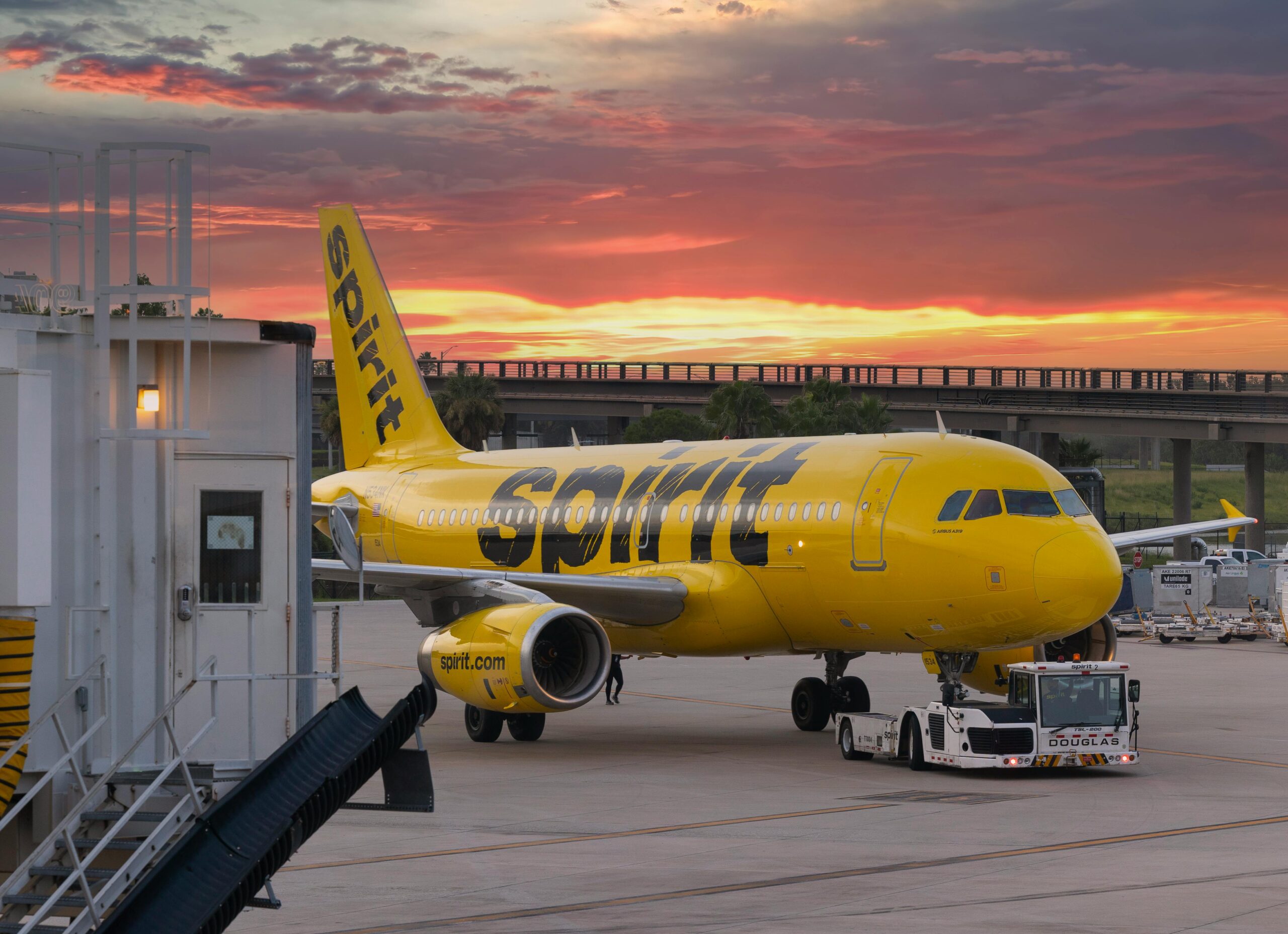
Spirit Airlines, which ceased all commercial operations on 2 May 2026, has filed a cumulative wind down budget of approximately 217 million US dollars covering the period through February 2028. Court documents released over the past week confirm the scale of the collapse, with around 17,000 jobs lost, more than 90 aircraft now grounded, and a skeleton team of 130 to 150 staff retained to oversee the asset sale process.
United States Bankruptcy Judge Sean Lane authorised the rapid wind down plan on 5 May 2026 in the bankruptcy court in White Plains, New York. Speaking from the bench, the judge described the hearing as a sad example of how difficult the bankruptcy process can be, and extended his sympathy to Spirit employees and their families.
The budget submitted to the court includes more than 52 million US dollars in employee costs through July and a further sum in excess of 52 million US dollars for aircraft related expenses, although the figure could shift as the wind down progresses.
Fleet status and lessor exposure
According to aviation data firm Cirium, Spirit held 59 Airbus A320s in service and 63 in storage at the time of shutdown, alongside 37 A321s in service and 13 in storage. More than three quarters of the fleet was leased. Most aircraft will return to their lessors, while Spirit will look to monetise the remainder. A handful of ferry flights have already taken place to reposition aircraft from former hubs such as Fort Lauderdale to storage facilities including Phoenix Goodyear Airport.
Industry analysts have suggested the speed of placement may be slowed by current jet fuel prices, which have made older narrowbodies less attractive to prospective buyers.
What the court was told
Spirit attorney Marshall Huebner of Davis Polk told the bankruptcy court that fuel cost increases since the start of the year had drained the airline’s liquidity, with fuel expenses growing by approximately 100 million US dollars across March and April alone. Huebner described the wind down as the company’s only remaining option after extensive efforts to restructure.
“Having fought valiantly for months to reorganize, and having all but succeeded, the Debtors are left with no alternative to an orderly wind down of operations.” — Spirit Airlines court filing, May 2026
Industry and passenger response
United States Transportation Secretary Sean Duffy confirmed that American Airlines, JetBlue Airways, Southwest Airlines, United Airlines, Delta Air Lines and others had collectively flown tens of thousands of stranded Spirit passengers, with capped one way fares for those holding Spirit confirmation numbers. Several carriers also extended preferential hiring consideration to former Spirit employees seeking continued work in aviation.
Consumer advocates have flagged that the removal of Spirit’s competitive footprint, which had a 3.9 per cent share of United States passenger traffic in February, could put modest upward pressure on fares across markets the airline had served.
What to watch next
The asset sale process will run for months, with timing of aircraft returns, slot rights at major airports, and the disposition of Spirit’s loyalty programme balances all matters before the court. For travellers across our region planning connections through United States gateways, the loss of Spirit’s network reduces budget options on certain Caribbean and Latin American itineraries.
MyAviation Magazine will continue to monitor the bankruptcy proceedings and the broader competitive shifts across the North American low cost segment.