Foreign airlines operating at Mumbai’s Chhatrapati Shivaji Maharaj International Airport (CSMIA) have sought clarification from India’s Ministry of Civil Aviation (MoCA) over proposed changes to international flight operations ahead of the redevelopment of Terminal 1.
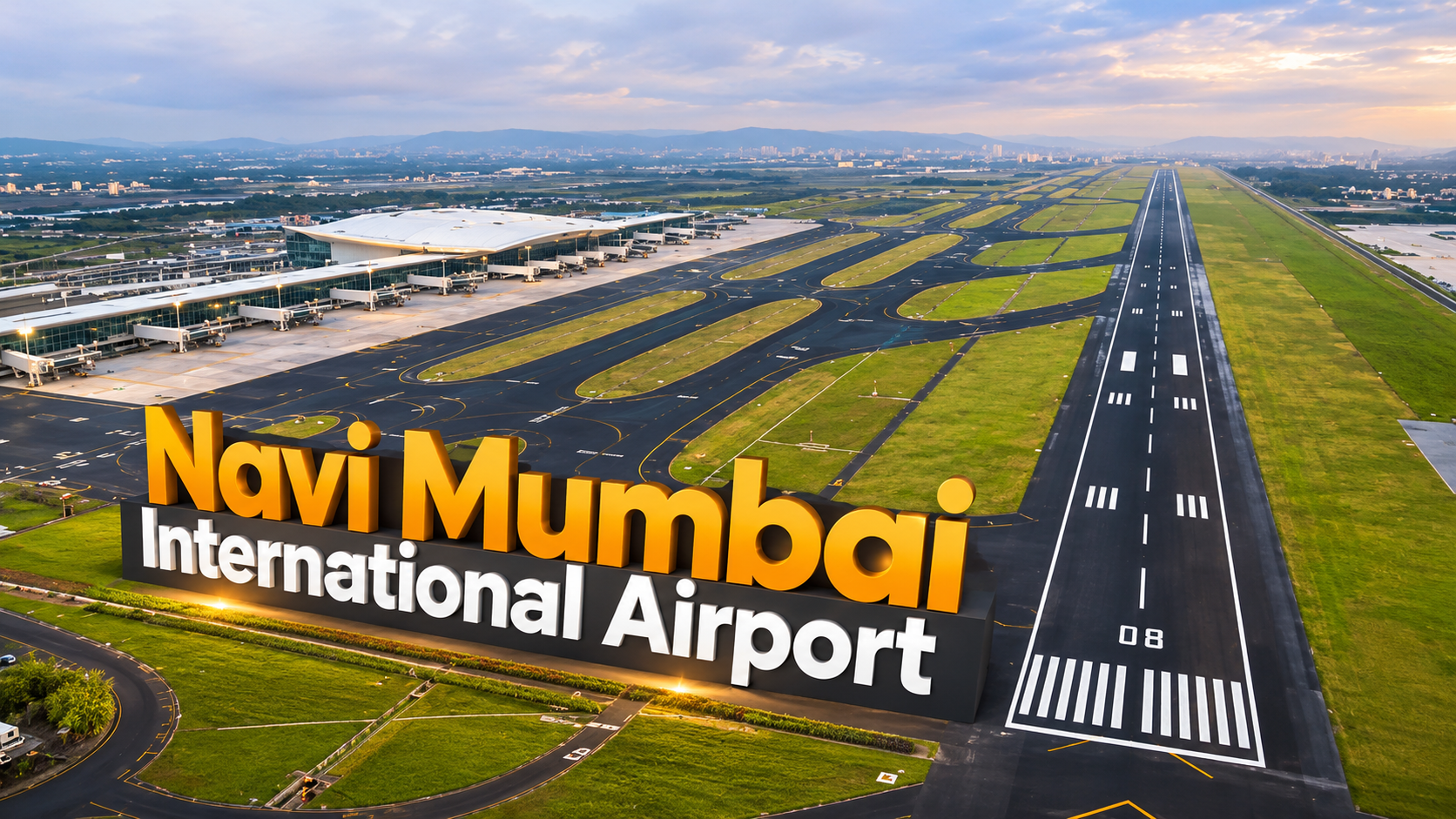
The dispute follows Mumbai International Airport Ltd’s (MIAL) plan to reduce the airport’s annual passenger-handling capacity by approximately five million passengers during redevelopment, potentially requiring selected international services to relocate to Navi Mumbai International Airport (NMIA) from late March 2027.
According to reports published between 5 and 7 November, 12 international airlines were not allocated slots for the Northern Summer 2027 scheduling season. The Airline Operators Committee (AOC) in Mumbai has separately raised concerns over the denial of historical slots to 11 Gulf-based carriers.
Airlines Seek Government Clarification
The committee has asked the ministry whether MIAL obtained regulatory approval for its proposed relocation of flights serving 14 international destinations, including Doha, Riyadh, Jeddah, Dammam, Muscat, Sharjah, Dhaka, Kathmandu and Jakarta.
The AOC maintains that airport redevelopment should not automatically justify the withdrawal of historical operating slots. It has called for greater transparency, stakeholder consultation and compliance with applicable Indian and international slot-allocation guidelines.
MIAL has cited the need to accommodate domestic passenger traffic displaced by the Terminal 1 redevelopment. The airport operator argues that consolidating selected international services at Navi Mumbai would minimise disruption by keeping flights serving the same destinations at one airport.
MIAL has also indicated that affected historical slots would be restored once additional capacity becomes available following the expansion of Terminal 2.
The ministry’s final regulatory position on the disputed arrangements has not been independently confirmed.
Air India Express Announces Phased Transition
Separately, Air India Group and Adani Airports announced on 25 October that Air India Express would begin operating four daily domestic flights from Navi Mumbai in December 2026.
The airline plans to introduce services to Kuwait, subject to regulatory approval, and transition existing Oman operations from January 2027.
Other selected West Asian services are expected to move progressively, with the transition targeted for completion during the Northern Summer 2027 scheduling season.
These plans form part of the wider development of Mumbai’s dual-airport network and are separate from the objections raised by foreign airlines.
Operational Concerns Remain
The proposed relocation has raised questions about passenger connections, codeshare arrangements, airline scheduling and ground transport accessibility.
Affected carriers have also highlighted potential implications for Hajj and Umrah operations, which require advance planning and reliable seasonal capacity.
While Navi Mumbai International Airport is expected to support the region’s long-term aviation growth, the transition will require coordination among airport operators, airlines and regulators.
A Test for Mumbai’s Dual-Airport Future
The development of Navi Mumbai International Airport represents a major expansion of aviation infrastructure serving India’s financial capital.
However, the current disagreement illustrates the challenges of redistributing established airline operations between two airports while maintaining connectivity and protecting historical operating rights.
As of 8 November 2026, the final regulatory outcome of the slot-allocation dispute has not been publicly confirmed.
The ministry’s response could influence how future airline transitions are managed as Mumbai develops its dual-airport aviation network.
MyAviation Magazine | Independent Aviation News & Analysis