
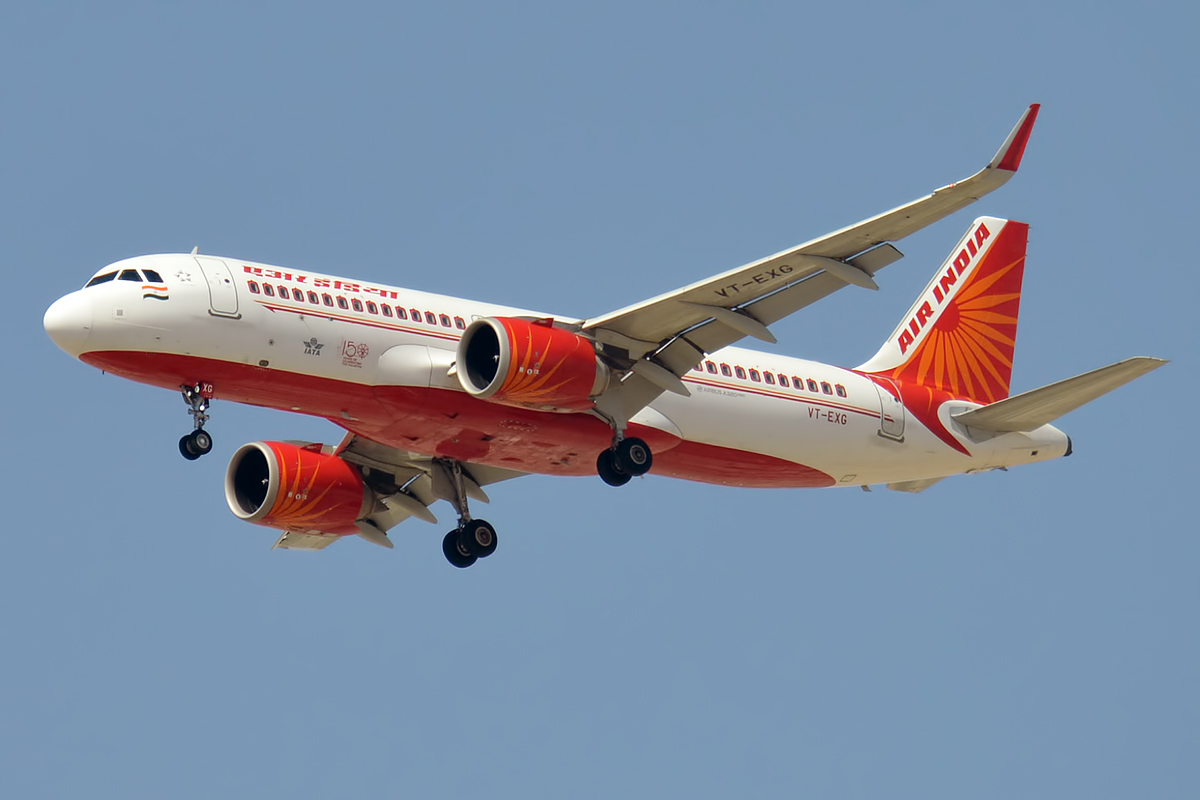
Air India Chief Executive Officer Campbell Wilson has tendered his resignation from the Tata Group owned carrier, according to multiple reports citing sources with direct knowledge of the matter. Wilson, whose contract was not set to expire until mid-2027, is currently serving his notice period and will remain at the helm until a successor is appointed.
The resignation was reportedly accepted at a board meeting held last week. According to reports, Wilson had communicated his intention to step down to the board as early as January, and a search for his replacement has been underway since then. Air India had not issued an official statement confirming the departure at the time of publication.
Wilson, a New Zealand national and former Singapore Airlines veteran, joined Air India in 2022 from the carrier’s low-cost subsidiary Scoot, shortly after the Tata Group acquired the formerly state-owned airline for ₹18,000 crore in January that year. He was tasked with steering the airline through a comprehensive turnaround under the five-year transformation programme known as Vihaan.AI.
During his tenure, Wilson oversaw several significant milestones, including the successful completion of the Vistara merger into Air India, which saw Singapore Airlines become a 25.1 per cent shareholder in the carrier. He also led a fleet expansion drive, initiated aircraft refurbishment programmes, and on select metro routes, Air India briefly outpaced market leader IndiGo.
However, Wilson’s leadership faced severe headwinds in the latter stages. Global supply chain disruptions delayed aircraft deliveries and the refurbishment of older planes, impacting service quality and on time performance, particularly on long haul routes to Europe and North America. A turning point came on 12 June 2025, when Air India Flight AI 171, operated by a Boeing 787 8 Dreamliner from Ahmedabad to London Gatwick, crashed shortly after take-off, killing all but one of the 242 people on board and 19 people on the ground, bringing the total death toll to 260. The crash subjected the airline and its leadership to intense scrutiny.
In the aftermath, India’s Directorate General of Civil Aviation (DGCA) issued show cause notices to several senior Air India officials, including Wilson, over alleged violations and non-compliance. Regulators cited the airline for safety lapses, including operating an aircraft eight times without a valid airworthiness certificate and flying planes without completing required emergency equipment checks. Senior government officials reportedly began engaging directly with Tata Group’s top leadership rather than with Wilson after the incident, a development understood to have weakened his position within the organisation.
The airline’s financial picture remains challenging. While Air India’s standalone revenue rose 13 per cent to ₹61,080 crore in FY25 and standalone losses narrowed from ₹5,031 crore to ₹3,976 crore, the carrier is projected to post losses of up to ₹20,000 crore for FY26. External pressures have compounded the financial strain, including Pakistan’s closure of its airspace to Indian carriers, which has forced Air India to operate longer and more costly routing on its lucrative western long-haul services. The ongoing Middle East conflict has added further pressure on these routes.
In December 2025, Air India publicly acknowledged the need for urgent improvements in process discipline, communication, and compliance culture, signalling the depth of the internal challenges facing the carrier.
Wilson’s departure marks the second major CEO change in the Indian aviation sector in recent weeks. IndiGo CEO Pieter Elbers resigned on 10 March 2026, with former British Airways chief William Walsh subsequently appointed as his successor. The back-to-back leadership transitions at India’s two largest carriers underline the scale of the operational and strategic challenges confronting the country’s aviation industry at a critical juncture.
The Tata Group is expected to announce Wilson’s successor in the coming weeks, with the transition reportedly set to extend into September.