



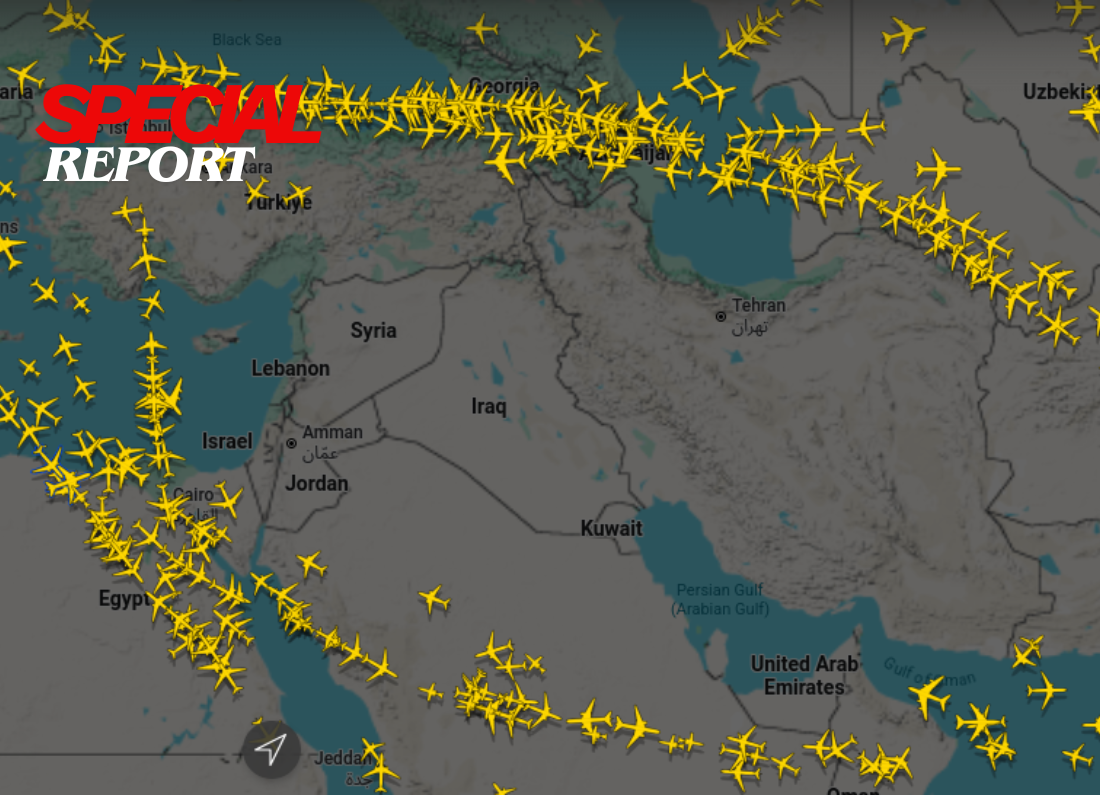
Airspace restrictions arising from ongoing conflict in parts of the Middle East have required airlines worldwide to adjust established long haul routings. While immediate attention often centres on longer flight times and schedule changes, the broader implications for airlines can extend beyond simple detours.
For Malaysian carriers operating intercontinental networks, the consequences of sustained airspace constraints may unfold across cost structures, fleet planning, cargo operations and competitive positioning.
Fuel Exposure and Cost Sensitivity
Long haul operations are particularly sensitive to fuel consumption. When aircraft must avoid certain corridors, even modest deviations can increase block time and fuel burn.
If restrictions persist, cumulative fuel expenditure may rise. In addition, geopolitical uncertainty can influence global energy markets, adding volatility to jet fuel pricing.
Airlines typically manage exposure through hedging strategies and dynamic pricing. However, prolonged inefficiencies in routing can compress margins, particularly on price sensitive leisure sectors.
Aircraft Utilisation and Network Efficiency
Widebody aircraft represent high value assets whose profitability depends on efficient daily utilisation. Longer routings reduce the number of sectors an aircraft can operate within a 24 hour cycle.
This may lead to:
- Adjusted departure timings
- Reconfigured aircraft rotations
- Reduced scheduling flexibility
- Increased reliance on standby capacity
For carriers with limited long haul fleet depth, sustained disruption may influence network optimisation decisions.
Crew Planning and Operational Complexity
Extended flight times also affect crew rostering. Duty time limitations are strictly regulated to safeguard safety standards. When block times increase, airlines may require augmented crews or revised layover patterns.
Such adjustments can introduce additional accommodation costs and scheduling complexity. Over time, operational stability becomes as important as cost management.
Insurance and Risk Management
Periods of geopolitical instability can prompt reassessment within the aviation insurance market, particularly regarding war risk coverage.
Although airlines operate in compliance with international safety guidance and avoid restricted airspace, insurance pricing structures may evolve during sustained periods of uncertainty. Any adjustment in war risk premiums can influence overall operating cost profiles.
Cargo and Trade Connectivity
Malaysia’s economy relies significantly on exports, including electronics and high value manufactured goods. Long haul passenger services provide substantial belly cargo capacity.
When routings extend and aircraft utilisation tightens, cargo scheduling flexibility may narrow. Freight rates can respond to changes in capacity and reliability expectations.
For exporters, predictability of transit time is often as important as cost.
Competitive Dynamics in the Region
Airspace constraints do not affect all carriers equally. Airlines positioned along alternative corridors may temporarily gain scheduling advantages.
If Gulf based transit hubs face sustained restrictions, Southeast Asian hubs may capture incremental connecting traffic. Conversely, if rerouting lengthens total journey times materially, passenger demand may redistribute across carriers offering the most stable schedules.
Competitive positioning during disruption often depends on communication clarity and operational reliability.
Passenger Behaviour and Market Confidence
Although Malaysia remains geographically distant from the conflict zone, traveller perception can influence booking behaviour.
Corporate travel managers may temporarily reassess transit routings. Leisure travellers may show sensitivity to travel time extensions or fare adjustments linked to fuel cost shifts.
Airlines must balance pricing strategy with demand elasticity during periods of uncertainty.
Duration as the Determining Factor
Short term airspace advisories are typically manageable through contingency planning. Modern flight planning systems and regulatory coordination allow airlines to adapt quickly.
However, if restrictions become prolonged or unpredictable, structural adjustments may follow, including:
- Frequency recalibration
- Fleet redeployment
- Strategic route reassessment
The scale of impact will depend less on the existence
A Resilient Industry Facing Adjustment
Global aviation has historically adapted to shifting geopolitical landscapes. Airspace closures, natural disruptions and regulatory changes form part of the operating environment for international carriers.
For Malaysian airlines, the current situation represents a planning challenge rather than an existential threat. The domestic aviation ecosystem remains stable, and connectivity continues through alternative corridors.
The coming months will determine whether current routing adjustments remain temporary detours or evolve into longer term considerations within network strategy and cost management frameworks.









Leave a Reply