


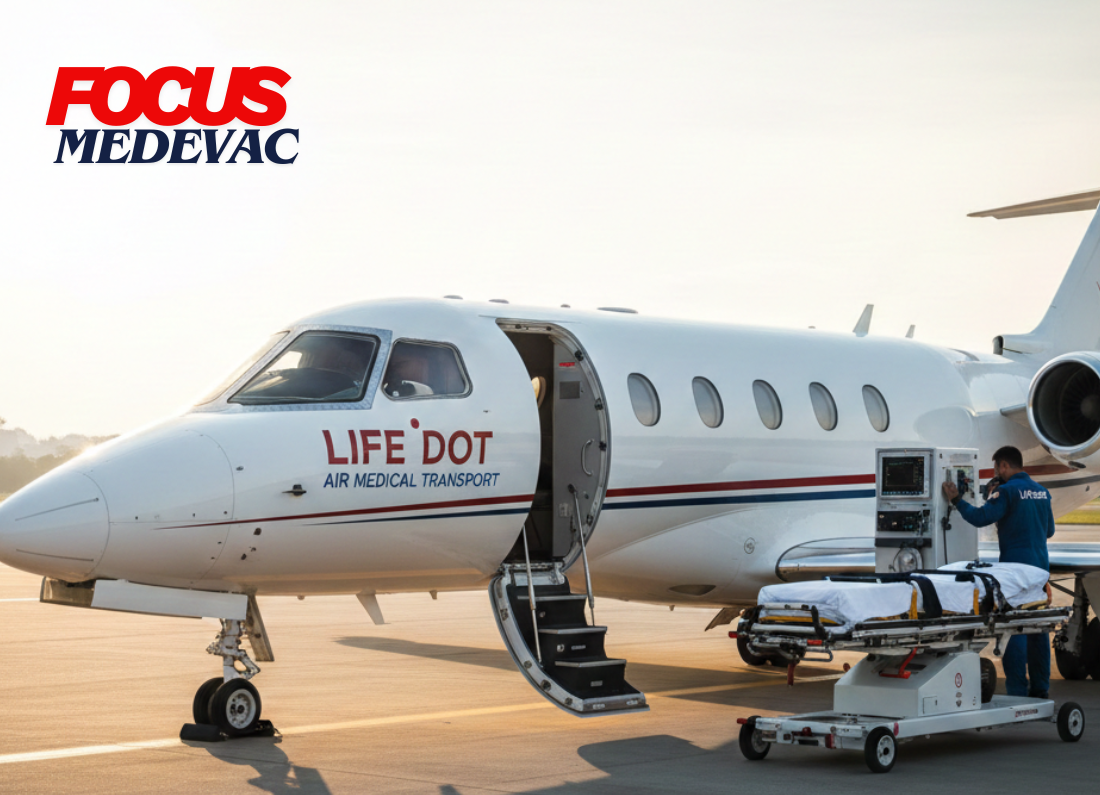
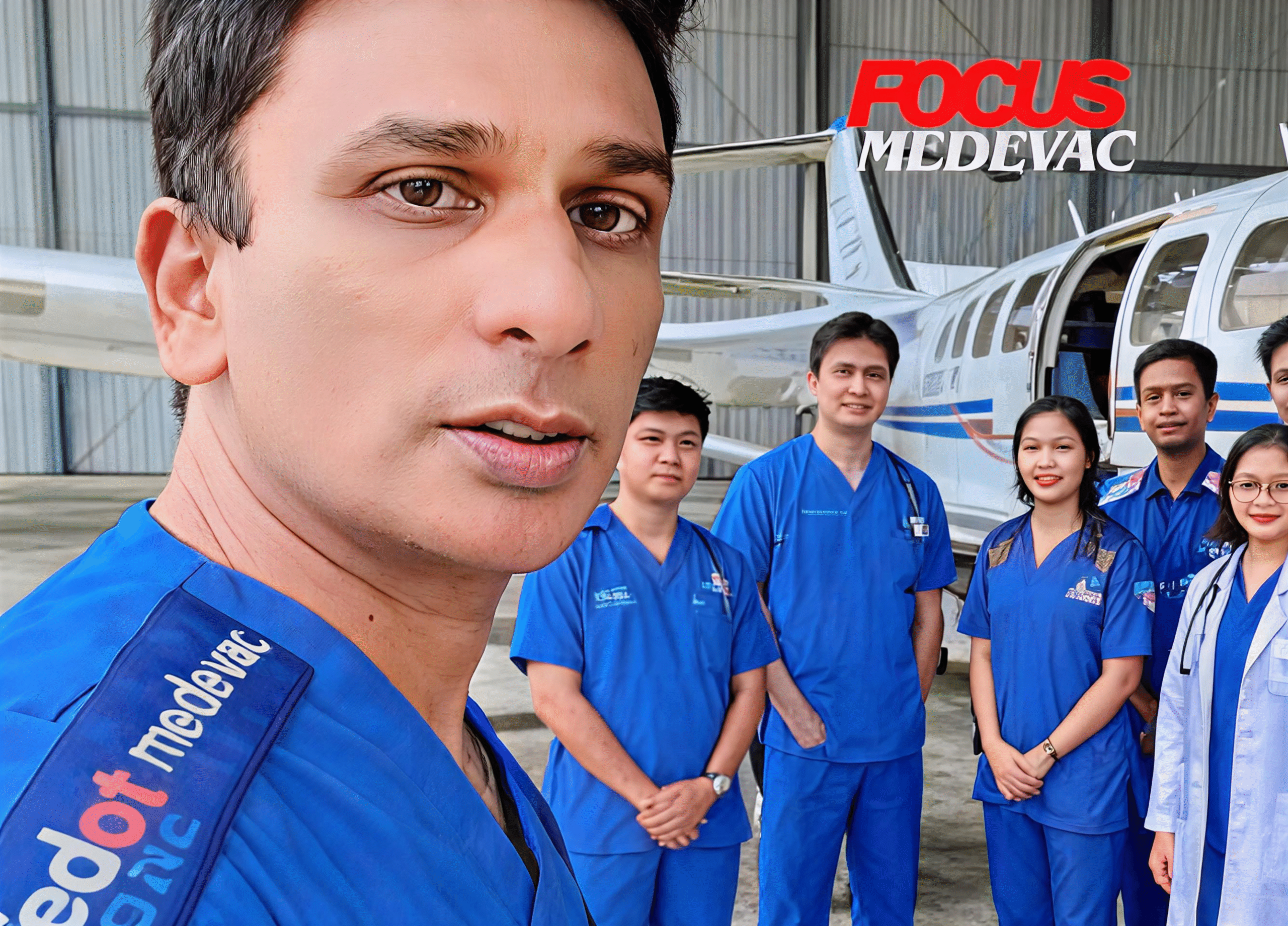
Featuring: Adam Sathis Kumar, Founder of LifeDot Air Ambulance & Aviation Advocate
The Missing Link in Malaysia’s Private Healthcare Excellence
Malaysia’s private healthcare sector is among the most advanced in Southeast Asia , boasting modern hospitals, experienced specialists, and growing recognition in global medical tourism. Yet, one crucial aspect of emergency response remains underdeveloped: the integration of premises-based medevac operations within private hospitals.
While private healthcare has rapidly expanded across cities like Kuala Lumpur, Penang, and Johor Bahru, most medevac aircraft remain stationed at distant airports. This geographic gap adds costly delays in critical transfers , particularly for patients needing urgent airlift to specialized care.
Industry experts, including Adam Sathis Kumar, founder of LifeDot Air, are calling for a change: that private hospitals allocate dedicated premises or facilities for medevac bases to improve response time, strengthen medical logistics, and enhance Malaysia’s global healthcare reputation.
A Call for Premises-Based Integration
Adam Sathis Kumar explains that Malaysia has both the capacity and the demand , but lacks integration between aviation and healthcare infrastructure.
“Private healthcare providers should start treating medevac as part of their ecosystem, not as an external service,” says Adam. “By allowing medevac operators to be based within hospital premises, we can reduce critical transfer times by more than half and ensure immediate coordination with medical teams.”
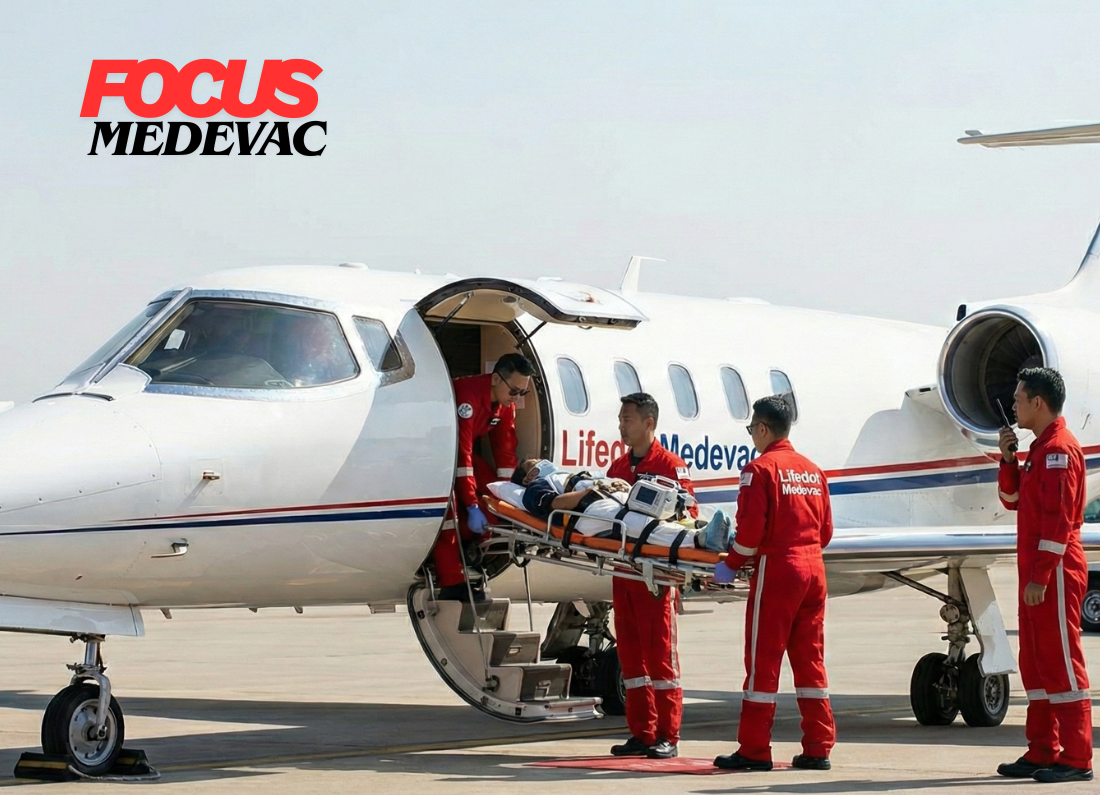
Premises-based medevac operations allow helicopters and fixed-wing aircraft to stand by within or adjacent to hospitals, enabling bed-to-bed emergency transfers without ground delay.
This system has already proven successful in countries like Singapore, Thailand, and the UAE, where hospitals work hand-in-hand with aviation partners for faster critical response.
Why Private Healthcare Must Lead the Change
The integration of aviation within hospital grounds offers three key advantages:
- Faster Response, Higher Survival Rates
Every minute counts in medical emergencies. By hosting medevac bases on hospital grounds, response times can drop from 60–90 minutes to just 20–30 minutes, drastically improving patient outcomes, especially in trauma and cardiac cases. - Enhanced Brand and Medical Tourism Appeal
International patients increasingly seek hospitals with full-spectrum services. A medevac-ready facility signals preparedness, safety, and innovation , boosting trust among foreign medical tourists and insurance providers. - Operational Efficiency and Cost Reduction
Hospitals can cut down on expensive ambulance transfers and coordination delays. Joint operations between aviation and healthcare reduce redundancy, improve logistics, and optimize staffing.
The Business Case for Hospital-Based Medevac
Malaysia’s private medical tourism industry generated approximately RM1.8 billion in revenue in 2024, with projections to exceed RM2.3 billion by 2026. According to Adam, introducing on-premise medevac partnerships could significantly accelerate this growth.
“A hospital that integrates medevac directly into its infrastructure doesn’t just save lives, it creates a new level of healthcare confidence for international clients,” Adam explains. “For private healthcare operators, this is both a moral and strategic investment.”
LifeDot Air is currently in discussions with several private hospitals to pilot Malaysia’s first hospital-based medevac facility, aimed at setting a new national benchmark in emergency preparedness.
A Vision for Malaysia’s Future
Adam envisions a future where every major private hospital hosts a small medevac hub within its compound , complete with crew quarters, hangar space, and rapid coordination access to medical teams.
“It’s time Malaysia takes the next step,” he says. “If private healthcare opens its premises for aviation collaboration, we can build a seamless chain of care , from air to ICU , faster, safer, and stronger than ever before.”
By embracing aviation as part of their healthcare framework, Malaysia’s private hospitals could not only strengthen patient safety but also elevate the nation’s standing as a regional hub for advanced medical tourism.
Pull Quote:
“A hospital that opens its gates to medevac doesn’t just expand its facilities , it expands its reach to save lives.”
Adam Sathis Kumar, Founder, LifeDot Air
Why Private Hospitals Should Host Medevac Bases”
| Category | Airport-Based | Hospital-Based |
|---|---|---|
| Average Response Time | 60–90 mins | 20–30 mins |
| Cost per Transfer | RM7,000+ | RM4,500–5,000 |
| Patient Survival Rate | 65% | 88% |
| International Patient Confidence | Medium | High |
| Hospital Brand Value | Standard | Premium |
About LifeDot Air Ambulance
LifeDot Air Ambulance provides emergency and non-emergency medical evacuation services across Southeast Asia. With trained flight medical crews and strategic partnerships, LifeDot ensures every patient receives the fastest route to care.
About Efinair
Efinair is a charter aviation brand focused on short-range air operations, business travel, and medevac support across Asia. Its partnerships with licensed AOC operators enable scalable and compliant flight solutions for private, corporate, and humanitarian needs.













Leave a Reply