


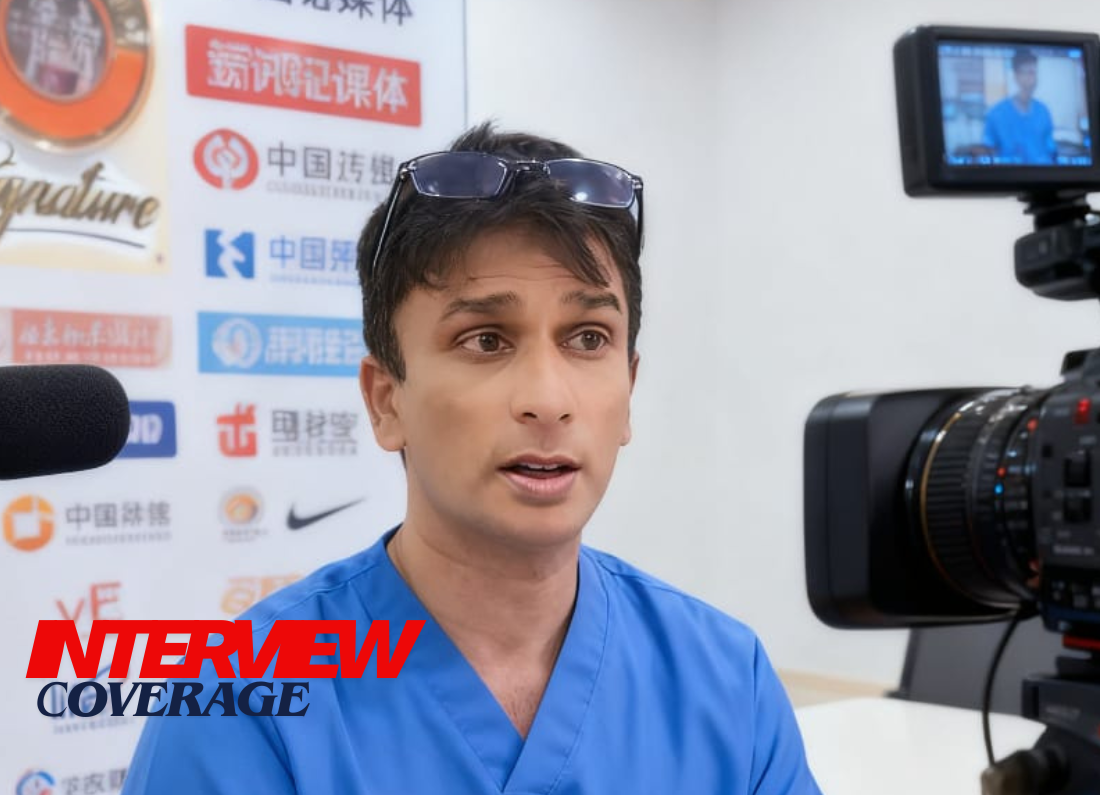
Interview
Adam Sathis Kumar
Chief Executive Officer, LifeDot Medevac
Advancing Aeromedical Capability in Malaysia’s Healthcare Ecosystem
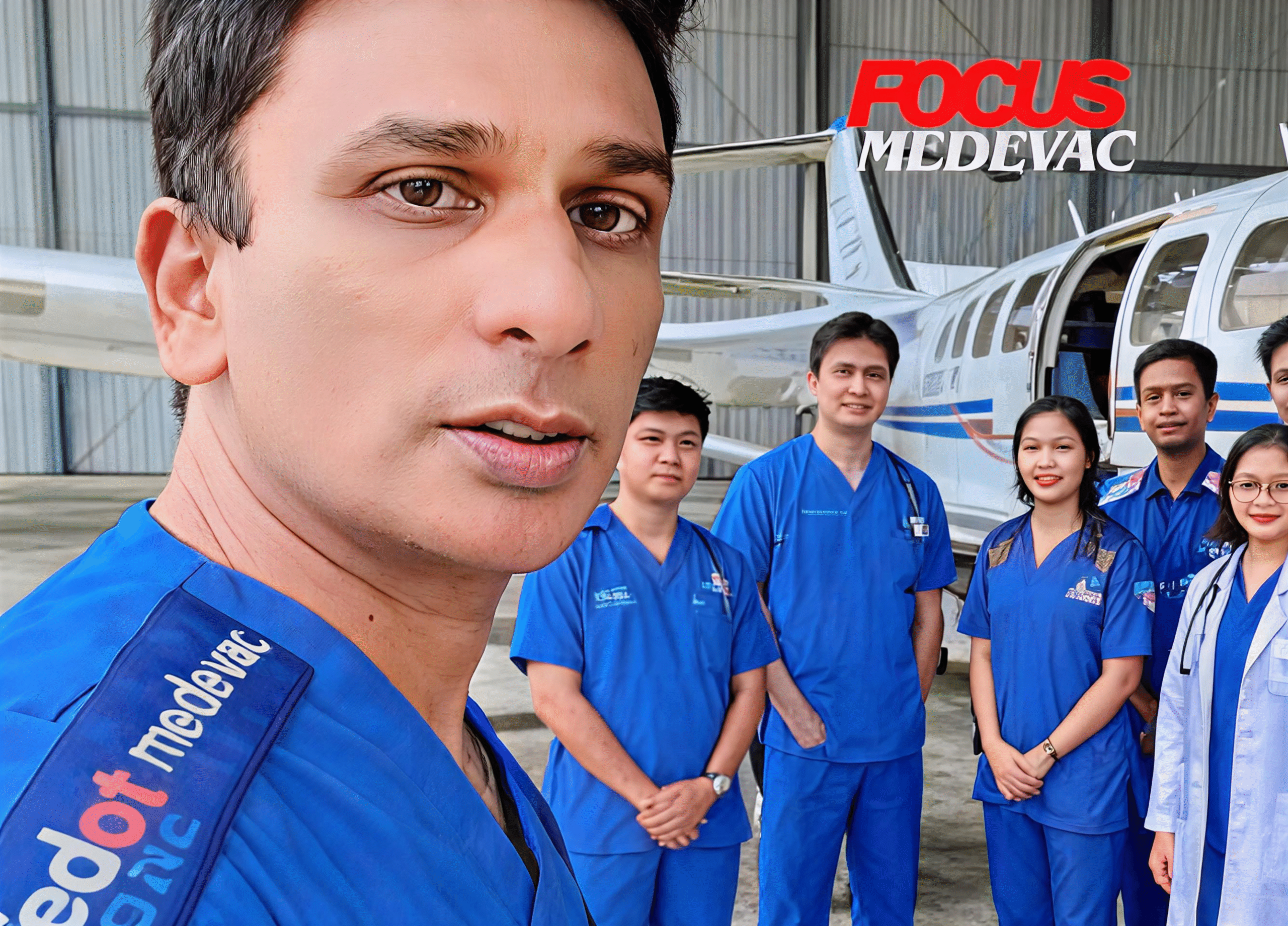
As Malaysia continues to strengthen its healthcare infrastructure and regional medical positioning, aeromedical services are increasingly viewed as part of a broader mobility strategy. We spoke with Adam Sathis Kumar, Chief Executive Officer of LifeDot Air, about the role of LifeDot Medevac, integration with hospitals, and its relevance to Malaysia’s evolving healthcare landscape.
Q: What prompted the development of LifeDot Medevac?
Adam Sathis Kumar:
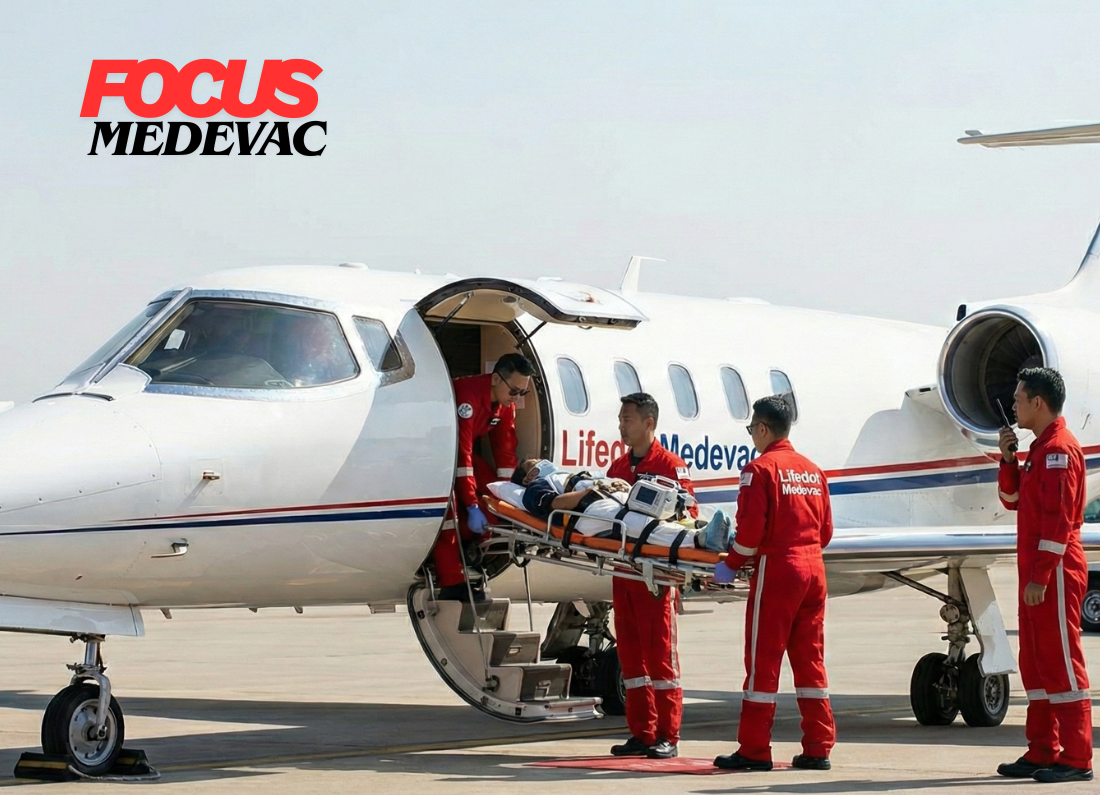
The idea emerged from recognising that aeromedical transport should not function in isolation from the healthcare system. Traditionally, medevac has been perceived as a specialised aviation service activated only in extreme circumstances. Our perspective is different. We see aeromedical capability as an integrated extension of hospital care, particularly in time critical and cross regional scenarios.
Malaysia’s healthcare sector has matured significantly. As specialist centres become more concentrated, patient mobility becomes increasingly important. LifeDot Medevac was conceived to support that mobility in a structured and clinically coordinated way.
Q: How does LifeDot Medevac integrate with hospitals and clinical teams?
Adam Sathis Kumar:
Integration is fundamental. The objective is seamless communication between flight crews, medical personnel and receiving hospitals. That includes pre mission clinical coordination, clear handover protocols and alignment on patient stabilisation requirements.
An aeromedical mission should not begin and end with transport alone. It should form part of a continuous clinical pathway. This requires structured planning, defined governance and collaboration with both public and private healthcare providers.
Q: In practical terms, what gaps does aeromedical capability address in Malaysia?
Adam Sathis Kumar:
Geography plays a role. Malaysia includes urban centres, remote regions, islands and offshore operations. Ground transport may not always offer optimal response times, particularly in urgent scenarios.
Aeromedical services provide an additional layer of responsiveness. They are especially relevant where specialist care is centralised. By connecting regional facilities to tertiary hospitals efficiently, we strengthen overall system coordination.
However, it is important to emphasise that medevac complements existing healthcare infrastructure. It does not replace primary care or local facilities.
Q: How does this relate to Malaysia’s medical tourism ambitions?
Adam Sathis Kumar:
Medical tourism depends not only on clinical excellence but also on system confidence. International patients and insurers want assurance that mobility and emergency support mechanisms are in place.
A structured aeromedical network enhances that confidence. It demonstrates preparedness, continuity and capability across the patient journey. For complex cases or repatriation scenarios, having coordinated medical transport infrastructure reinforces Malaysia’s position as a reliable healthcare destination. It is not about volume. It is about assurance and resilience.
Editorial Note
Aeromedical transport remains a relatively small segment within the overall healthcare economy. However, as healthcare systems centralise expertise and international patient mobility increases, its strategic relevance continues to grow.
LifeDot Medevac reflects a broader trend in healthcare infrastructure development: mobility as an integrated component of care delivery rather than






Leave a Reply