


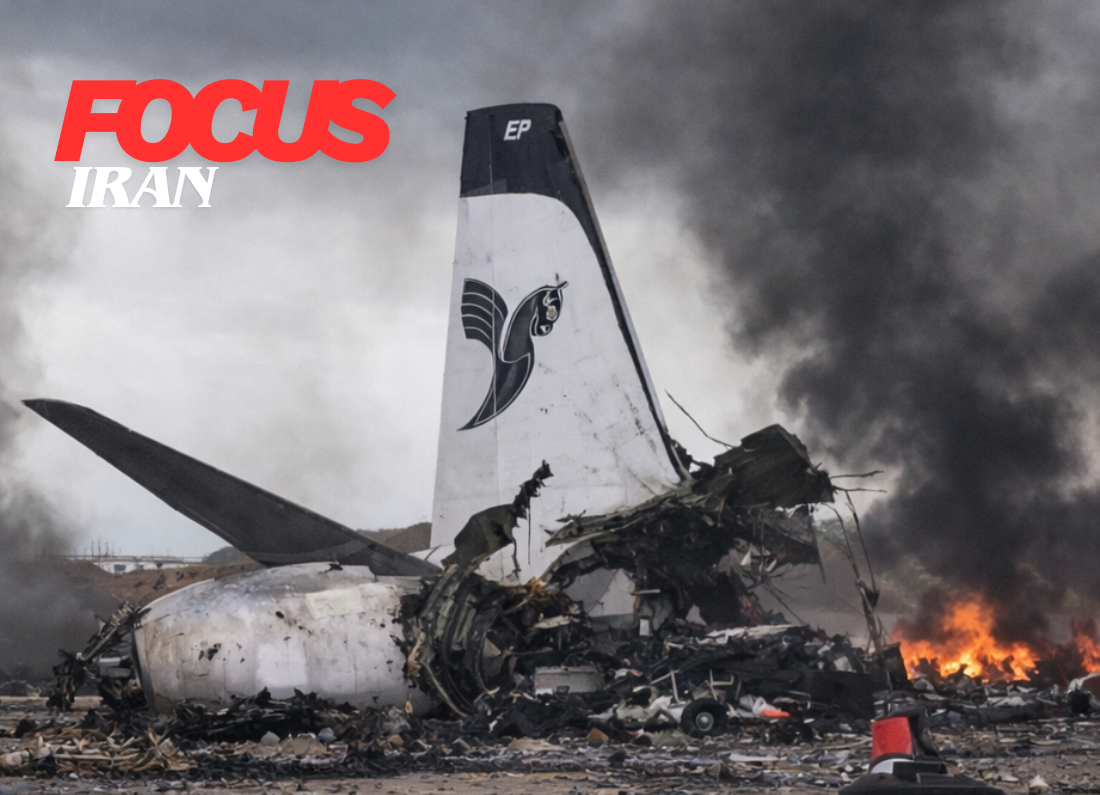
An Airbus A319 100 operated by Iran Air has reportedly been destroyed on the ground at Bushehr International Airport during air strikes amid the ongoing United States and Israeli military campaign against Iran. The aircraft, registered EP IEP, was confirmed lost on 3 March 2026 after strikes targeted the airport, which functions as a dual use civilian and military facility on Iran southern coast.
The destruction of the aircraft represents a notable incident for civil aviation observers, illustrating the risks faced by commercial aircraft when military operations occur at airports that host both civilian and defence infrastructure.
Aircraft history
The aircraft involved was an Airbus A319 111, manufacturer serial number 1654, which first flew on 8 January 2002. Over a service life spanning more than two decades, the aircraft passed through several international operators before entering service with Iran Air.
It was originally delivered to Zhejiang Airlines of China as B 2225, later transferring to Air China. The aircraft subsequently joined Rossiya Airlines in Russia before moving through smaller operators including Hyoerion Aviation and Asia Sky Lines.
Iran Air added the aircraft to its fleet in December 2019. At the time of the incident, EP IEP was one of only three Airbus A319 aircraft operated by the national carrier, making the loss particularly significant within the airline relatively limited narrow body fleet.
No passengers were reported to have been on board at the time of the strike, as the aircraft was positioned on the ground at the airport.
A dual use aviation environment
Bushehr International Airport occupies a strategically complex position within Iran aviation network. In addition to serving scheduled commercial passenger flights, the airport also supports military aviation operations. Such dual use arrangements are not uncommon in several parts of the world, but they present unique challenges when armed conflict occurs.
When military infrastructure is located within or adjacent to civilian airport facilities, aircraft operated by commercial airlines may find themselves exposed to risks associated with military targeting decisions. Aviation analysts note that the destruction of EP IEP raises questions among aviation and international law observers regarding the protection of civilian infrastructure at dual use airports.
For the wider aviation community, the incident serves as a stark illustration of the risks civil aviation faces when military operations occur at facilities shared by both civilian and defence aviation.
Regional aviation disruption
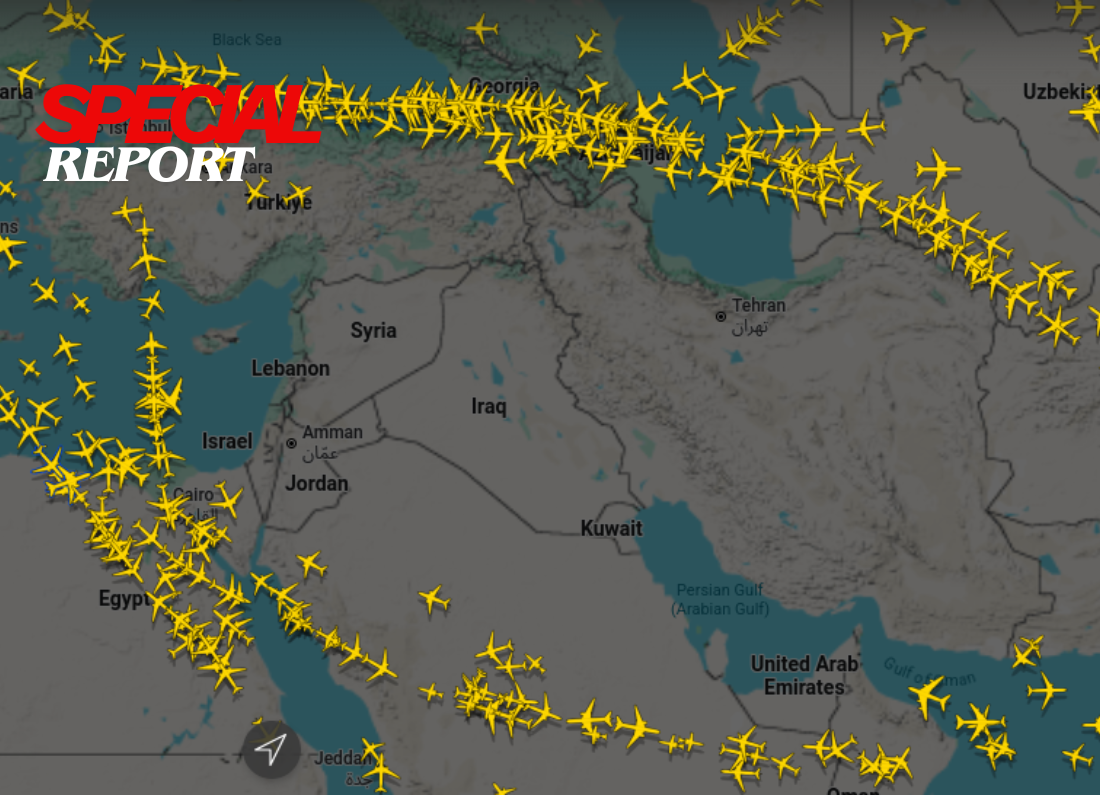
The destruction of the aircraft occurred during a period of widespread disruption to air transport across the Middle East following the escalation of hostilities on 28 February 2026. Within seventy two hours of the escalation, thousands of flights across the region were cancelled as airlines adjusted operations to avoid affected airspace.
Airspace restrictions and closures were implemented across several countries including Iran, Iraq, the United Arab Emirates and Qatar, forcing airlines to reroute long haul services or suspend regional operations entirely.
Major international carriers including Lufthansa and British Airways temporarily halted flights to parts of the region, while numerous transit passengers experienced delays or cancellations as airlines sought alternative routing options outside conflict zones.
The disruption has highlighted the continuing vulnerability of global aviation networks to geopolitical developments.
Historical context for Iran Air
For Iran Air, the loss of EP IEP carries a weight that extends beyond the immediate destruction of an aircraft. The airline history is closely associated with one of the most tragic events in civil aviation.
In 1988, Iran Air Flight 655, an Airbus A300 operating a scheduled passenger service, was shot down by the United States Navy cruiser USS Vincennes, resulting in the deaths of all 290 passengers and crew on board.
Since that time, international sanctions have limited the airline access to modern Western aircraft and spare parts, leaving Iran Air operating one of the older fleets among major flag carriers.
The destruction of EP IEP therefore represents another difficult chapter for an airline that has long operated within the complex intersection of aviation and geopolitics.












Leave a Reply