

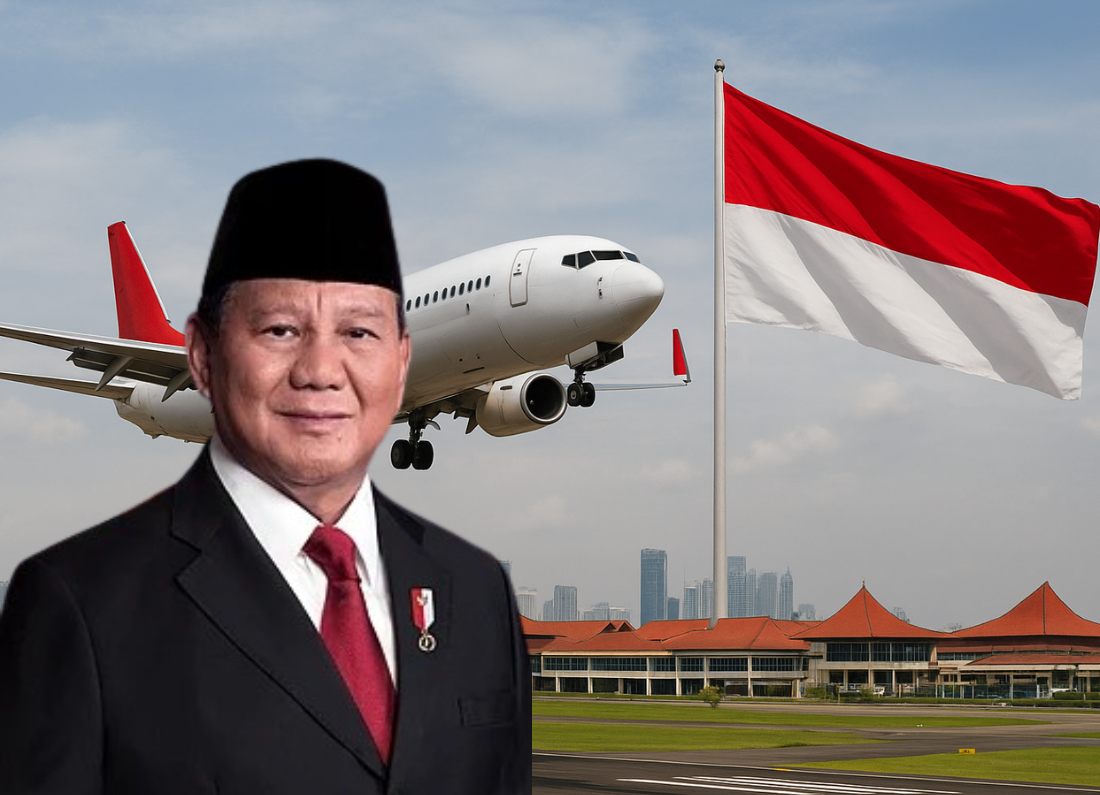
Introduction: Aviation as a National Lifeline
Indonesia is not just another aviation market, it is one of the most complex and strategically important aviation ecosystems in the world. With more than 17,000 islands, aviation is not a luxury but a national necessity. It connects people, drives economic inclusion, supports tourism, enables logistics, and safeguards national unity.
Under the leadership of President Joko Widodo, aviation has been positioned as a core pillar of national development. Rather than focusing solely on commercial growth, Indonesia’s aviation strategy has emphasised connectivity, infrastructure expansion, safety, and regional balance, ensuring that air transport serves both major cities and remote communities.
Presidential Vision: Aviation for National Connectivity
President Joko Widodo’s development agenda has consistently highlighted the importance of physical and economic connectivity. Aviation plays a central role in this vision.
Key leadership principles shaping Indonesia’s aviation sector include:
- Strengthening inter-island connectivity
- Expanding airport infrastructure beyond Java
- Supporting regional and pioneer routes
- Enhancing aviation safety and oversight
- Aligning aviation growth with tourism and logistics strategies
This top-down clarity has enabled ministries, airport operators, airlines, and regulators to work within a unified national direction.
Building Airports Beyond Major Cities
One of the most visible outcomes of Indonesia’s aviation leadership is airport development across secondary and remote regions.
Under national direction:
- New airports have been developed in eastern Indonesia
- Existing regional airports have been upgraded to handle larger aircraft
- Runways, terminals, and navigation systems have been modernised
This approach reduces dependence on major hubs alone and ensures that aviation growth benefits Papua, Sulawesi, Kalimantan, Maluku, and Nusa Tenggara, not just Jakarta or Bali.
From a leadership perspective, this reflects a long-term understanding that aviation infrastructure is not just commercial, it is nation-building infrastructure.
Airlines as Strategic Connectors
Indonesia’s aviation policy environment recognises airlines as strategic connectors, not merely commercial entities.
National leadership has supported:
- The role of full-service and low-cost carriers in domestic mobility
- Pioneer routes serving low-density but essential regions
- Fleet expansion suited to diverse runway and terrain conditions
Operating aviation across an archipelago presents challenges that few countries face. Leadership at the national level provides stability, regulatory clarity, and strategic alignment that allow airlines to operate sustainably within these conditions.
Safety, Regulation, and Oversight
Aviation leadership is ultimately judged by safety performance.
Indonesia has placed increasing emphasis on:
- Regulatory strengthening
- ICAO compliance and international alignment
- Training and certification standards
- Safety oversight and operational discipline
Presidential backing for regulatory bodies ensures that aviation safety remains a national priority, supported by policy, resources, and institutional authority.
This reinforces confidence among passengers, investors, and international aviation partners.
Aviation as an Economic Multiplier
Beyond transport, aviation under Indonesia’s national leadership supports:
- Tourism development
- Cargo and logistics efficiency
- Regional trade
- Job creation and skills development
Air connectivity enables tourism destinations such as Bali, Labuan Bajo, Lombok, and Raja Ampat to reach global markets. It also supports time-critical cargo, humanitarian operations, and national resilience.
By positioning aviation as an economic multiplier, leadership ensures its relevance across multiple sectors, not just transport.
Lessons for Asia: Leadership in Complex Aviation Markets
Indonesia’s aviation journey offers valuable lessons for other Asian nations:
- Aviation must align with national geography and demographics
- Leadership vision matters more than short-term profits
- Infrastructure investment must be regionally balanced
- Safety and connectivity must grow together
- Aviation policy works best when supported at the highest level
Few countries demonstrate this balance as clearly as Indonesia.
Looking Ahead: The Next Chapter of Indonesian Aviation
As Asia’s aviation market continues to expand, Indonesia remains central to regional growth. The foundations laid through strong national leadership will shape:
- Future airport capacity
- Sustainable aviation development
- Regional and international connectivity
- ASEAN aviation integration
Indonesia’s experience shows that aviation leadership is not just about aircraft and airports, it is about vision, coordination, and national purpose.
Indonesia’s aviation sector stands as a testament to what can be achieved when presidential leadership recognises aviation as a strategic national asset. By prioritising connectivity, safety, and inclusive growth, Indonesia has built an aviation ecosystem that serves both its people and its economy.
For Asia, Indonesia’s story is not just one of scale , it is one of leadership