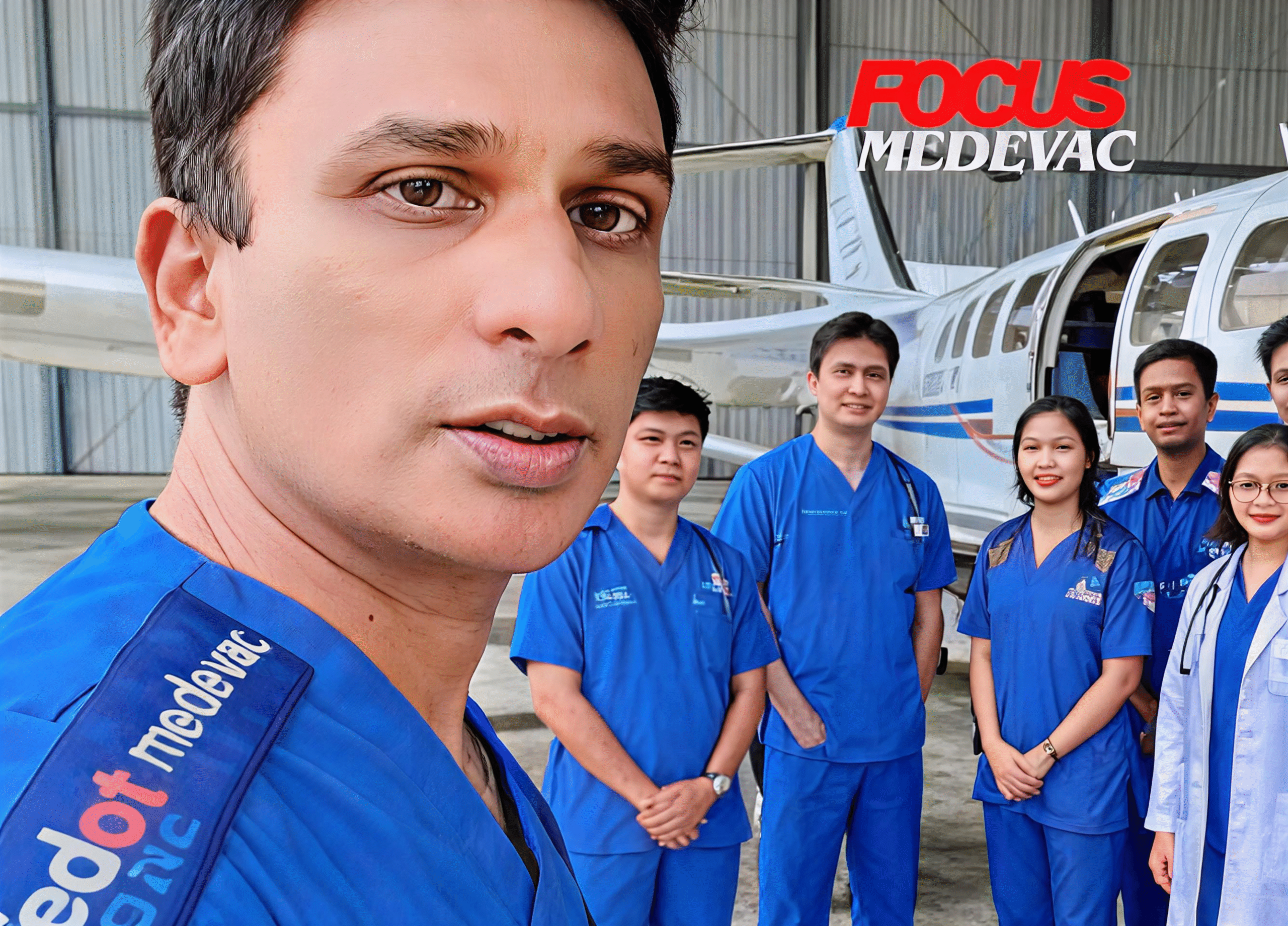

In Southeast Asia’s rapidly evolving aeromedical sector, LifeDot Medevac is positioning itself as a cross-border bridge between aviation precision and critical healthcare logistics. Through operational drills and strategic partnerships with AOC operators in and , the company is developing a scalable framework for international patient transfer.
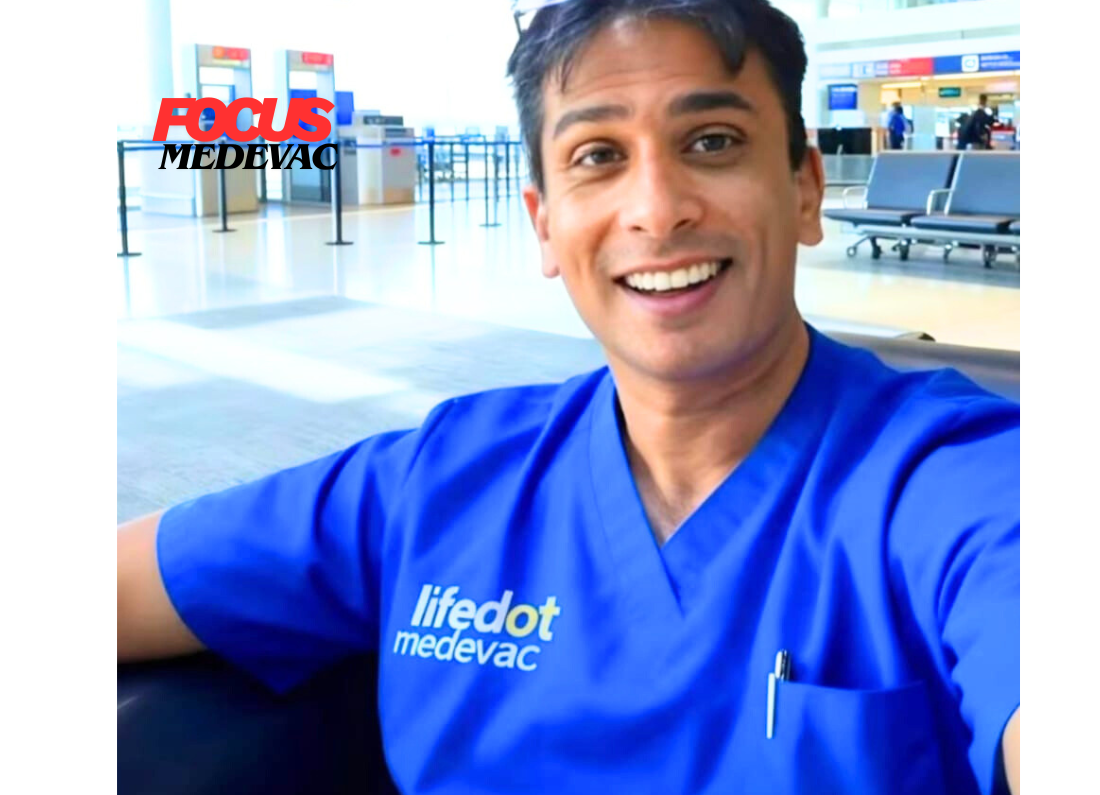
We spoke exclusively with Adam Sathis Kumar, Founder and CEO of LifeDot Medevac, about preparedness, partnerships, and the future of regional air ambulance operations.
Q: What inspired LifeDot Medevac to focus on cross-border AOC partnerships?
Adam Sathis Kumar:
Cross-border medical evacuation is not just about aircraft availability, it’s about integration. Southeast Asia is interconnected, but medical transport systems are still fragmented. By partnering with certified AOC operators in strategic hubs like Singapore and Jakarta, we’re creating a network that allows rapid deployment while staying fully compliant with aviation regulations.
Our goal is to remove delays from the chain of survival. When a patient needs urgent transfer, every minute matters. Partnerships allow us to move faster without compromising safety.
Q: What role do operational drills play in your strategy?
Adam:
Drills are essential. They expose weaknesses before real emergencies do. We simulate full mission scenarios: aircraft dispatch timing, ICU equipment readiness, immigration clearance, and hospital coordination. These exercises ensure that when a real case happens, the system behaves like a rehearsed operation, not an improvisation.
Preparedness is not theoretical in this business. It’s operational discipline.
Q: Why focus specifically on Singapore and Jakarta?
Adam:
Singapore is one of the most advanced aviation and healthcare hubs in the region. Jakarta represents a major demand center with a growing need for international medical referrals. By linking these cities with Malaysia, we’re creating a medical air corridor that supports patients seeking specialized treatment across borders.
This is not competition between countries , it’s collaboration for patient survival.
Q: How does LifeDot differentiate itself in the medevac sector?
Adam:
We position ourselves as a coordination specialist rather than just a flight provider. Aircraft is only one component. We manage the full ecosystem: hospitals, doctors, medical escorts, regulatory clearance, and family logistics.
A successful medevac mission is 50% aviation and 50% medical systems management. Many operators focus on one side. We integrate both.
Q: What is your long-term vision for LifeDot Medevac?
Adam:
We want to establish a standardized ASEAN aeromedical framework. A system where any major city in the region can activate a reliable international medevac pipeline within hours. That requires trust, partnerships, and continuous training.
The future of healthcare is mobile. Patients will increasingly travel for specialized care. Our responsibility is to ensure that journey is safe, fast, and medically secure.
Closing Thoughts
LifeDot Medevac’s expansion through AOC alliances signals a shift in how Southeast Asia approaches emergency medical mobility. Rather than isolated national systems, the company is building a cooperative regional network designed around preparedness and precision.
As Adam Sathis Kumar emphasizes, the mission is simple but profound:
“Every drill we conduct, every partnership we sign, is ultimately about protecting a life we haven’t met yet.”