

The aviation fuel crisis triggered by the war in the Middle East has given fresh impetus to sustainable aviation fuel development across Southeast Asia, with Malaysia emerging as a significant player in a regional supply chain that is rapidly moving from aspiration to execution.
On 6 April, Singapore listed Oiltek International announced that its wholly owned Malaysian subsidiary, Oiltek Sdn Bhd, had signed a head of agreement with Brunei based BioSeaga Industries to develop a US$350 million (RM1.65 billion) SAF production facility in Sabah. The plant, which is targeted to commence construction in the fourth quarter of 2026, will have an initial production capacity of approximately 300 metric tonnes per day, utilising palm oil mill effluent (POME) and used cooking oil (UCO) as primary feedstocks. Oiltek will serve as the exclusive engineering, procurement, construction, and commissioning (EPCC) contractor and retains a right of first refusal to take an equity stake in the project or its subsequent phases. The heads of agreement are nonbinding; execution of a definitive agreement is conditional upon secured project financing, regulatory approvals, land right confirmation, and mutual agreement on final technical specifications. Both parties are targeting 6 October 2026 for the definitive agreement.
The scale of the contract is notable. Prior to the BioSeaga agreement, Oiltek’s entire order book stood at just RM350 million. The Sabah facility alone matches that figure in US dollar terms, underscoring the commercial magnitude of SAF infrastructure investment now flowing into the region. A second phase is planned to expand into advanced fuels including green hydrogen and other low carbon energy derivatives. Approximately one third of the plant’s output is earmarked for domestic use as drop in aviation fuel, with the remainder to be exported via Brunei after blending.
The timing is significant. Jet fuel prices have more than doubled since the United States and Israel launched military operations against Iran in late February, with aviation turbine fuel surging from around US$85 to US$90 per barrel to nearly US$174 per barrel by early March. The spike has forced carriers across the Asia Pacific to revise financial forecasts, cut capacity, and raise fares. Qantas on 14 April disclosed an additional A$600 million to A$800 million in fuel costs for the second half of its fiscal year. Asia Pacific low-cost carriers, where fuel accounts for 30 to 40 per cent of operating costs, face what the OAG has described as a potentially catastrophic shock.
Against this backdrop, the strategic case for domestically produced SAF in Southeast Asia has never been stronger. The region possesses abundant feedstock in the form of agricultural waste, UCO, and palm biomass, and several ASEAN member states are now translating that advantage into concrete policy and production commitments.
Singapore has moved fastest, introducing a mandatory 1 per cent SAF uplift target for 2026, with ambitions to raise the threshold to between 3 and 5 per cent by 2030. The Civil Aviation Authority of Singapore (CAAS) will begin collecting a SAF levy on tickets sold from 1 April for flights departing from 1 October, with proceeds funding centralised SAF procurement through a new entity, SAFCo. Singapore is also home to the region’s largest SAF production facility, operated by Neste, and is commencing construction of a next generation plant by Aether Fuels this year.
Thailand launched a new SAF plant in Bangkok in 2025, and from 2026, airlines operating in the country are required to use at least 1 per cent SAF blended with conventional jet fuel. The Philippines held a SAF policy development workshop in March 2026, with the Civil Aviation Authority of the Philippines signalling intent to leverage the country’s agricultural waste as a feedstock advantage. Vietnam delivered domestically produced SAF mixes to local carriers including VietJet Air in 2025, while Indonesia has announced plans to expand current production operations.
Malaysia’s own trajectory has been accelerating. EcoCeres opened the country’s first commercial scale SAF production facility in Johor Bahru in January 2026, with a capacity of up to 420,000 metric tonnes per year. Malaysia Airlines received its first deliveries of domestically produced SAF in 2025, a milestone for the national carrier. Under the National Energy Transition Roadmap, an initial SAF blending target of 1 per cent has been flagged by the Ministry of Plantation and Commodities to create demand and support market growth.
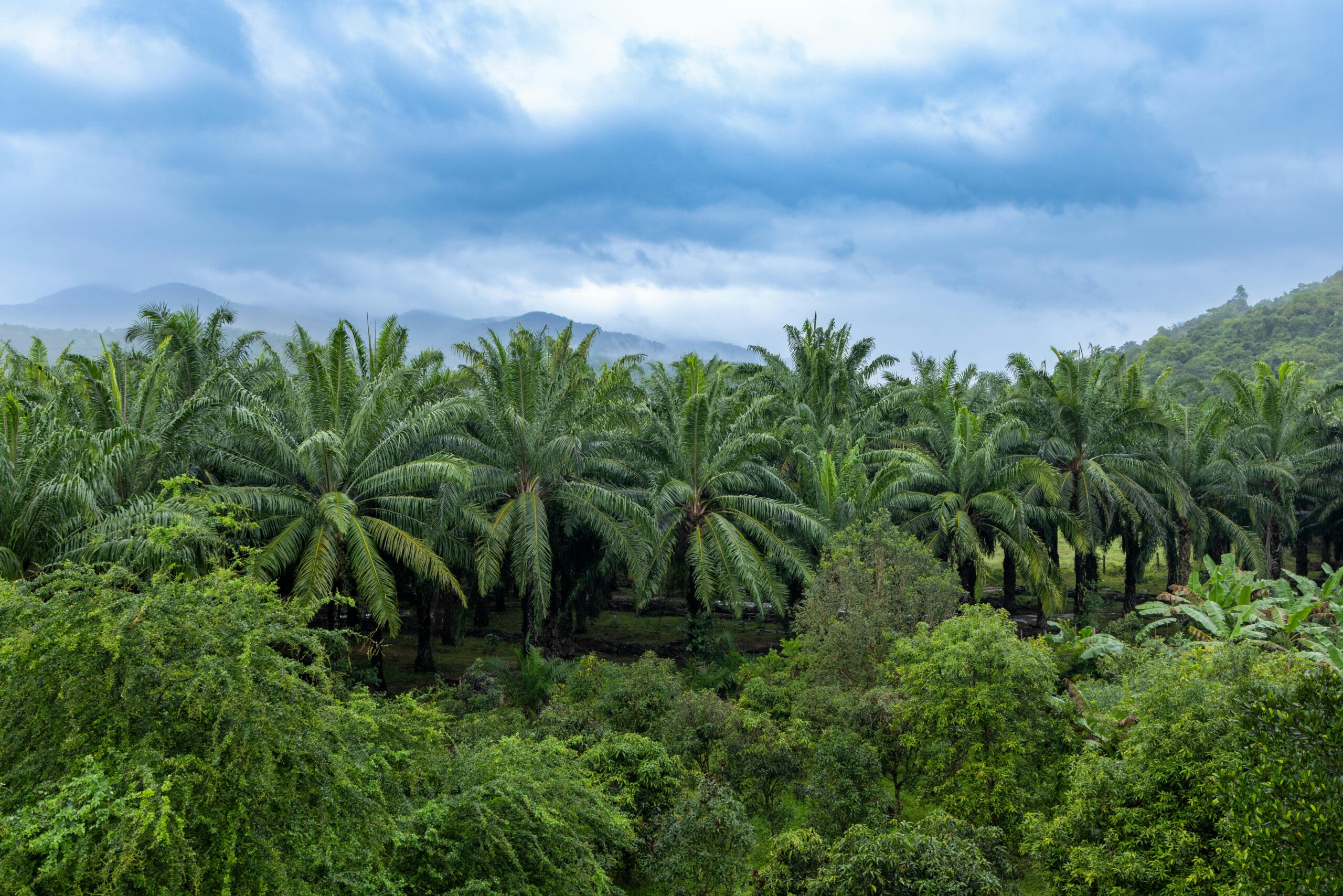
The Sabah plant adds another layer to this picture. Located in East Malaysia, it leverages proximity to palm oil production centres and Brunei’s blending and export infrastructure. The ASEAN SAF 2050 Outlook report, released in January 2026, projects that ASEAN economies could generate as much as 8.5 million barrels per day of SAF by 2050, with Indonesia, Malaysia, the Philippines, Thailand, and Vietnam identified as having the most abundant feedstock to support production. The report also found that all ASEAN countries examined could potentially position themselves as net SAF exporters, with demand projected to grow from 15,000 barrels per day in 2030 to over 700,000 barrels per day by 2050.
The fuel crisis has sharpened the strategic calculus. With conventional jet fuel prices subject to the geopolitical volatility of the Middle East and the Strait of Hormuz, SAF offers Southeast Asian carriers and governments a pathway toward greater energy security alongside decarbonisation. The challenge remains cost. The levelised cost of SAF produced through the HEFA pathway, the most commercially mature technology, is approximately double that of conventional jet fuel. More advanced pathways such as gasification and alcohol to jet range from four to seven times higher. Scaling production, securing consistent feedstock supply, and aligning certification standards across jurisdictions remain works in progress.
But the direction of travel is clear. As IATA’s Asia Pacific sustainability lead Kelvin Lee noted earlier this year, it is natural that the industry is paying considerable attention to SAF production in this part of the world. The Sabah plant, and the broader wave of SAF investment across the region, suggests that Southeast Asia is positioning itself not merely as a consumer of cleaner fuel but as a producer and exporter at a moment when the world’s aviation sector needs both.