
European aircraft manufacturer delivers 547 commercial jets in the first nine months of 2026, with Asian carriers continuing to play an important role in global fleet renewal and aviation growth.
Airbus delivered 72 commercial aircraft in September 2026, bringing its total deliveries for the first nine months of the year to 547 aircraft, as the global aerospace industry continues responding to airline demand for fleet modernisation and additional capacity.
The figures, officially released by Airbus on 8 October, represent an increase of approximately 8% compared with the corresponding period in 2025, when the manufacturer delivered 507 aircraft.
September’s deliveries were distributed among 37 customers worldwide, while the cumulative nine-month total reached 84 customers.
The latest figures highlight the continuing importance of aircraft production and delivery schedules to airlines planning fleet expansion, particularly across the Asia-Pacific region.
For Asian operators, the availability of new-generation aircraft remains closely connected to network development, fuel efficiency, maintenance planning and long-term operational strategies.
Airbus Maintains Delivery Momentum
Airbus delivered 72 commercial aircraft in September, compared with 57 in August.
The September performance represented the manufacturer’s strongest monthly delivery result since June, when 89 aircraft were handed over.
Deliveries were broadly comparable with September 2025, when Airbus delivered 73 aircraft.
Despite the year-on-year similarity for the month, cumulative deliveries have increased during 2026.
Airbus reported 547 deliveries through September, compared with 507 during the first nine months of the previous year.
The figures indicate progress in aircraft deliveries despite continuing challenges affecting aerospace manufacturing and supply chains.
A320neo Family Remains Central to Production
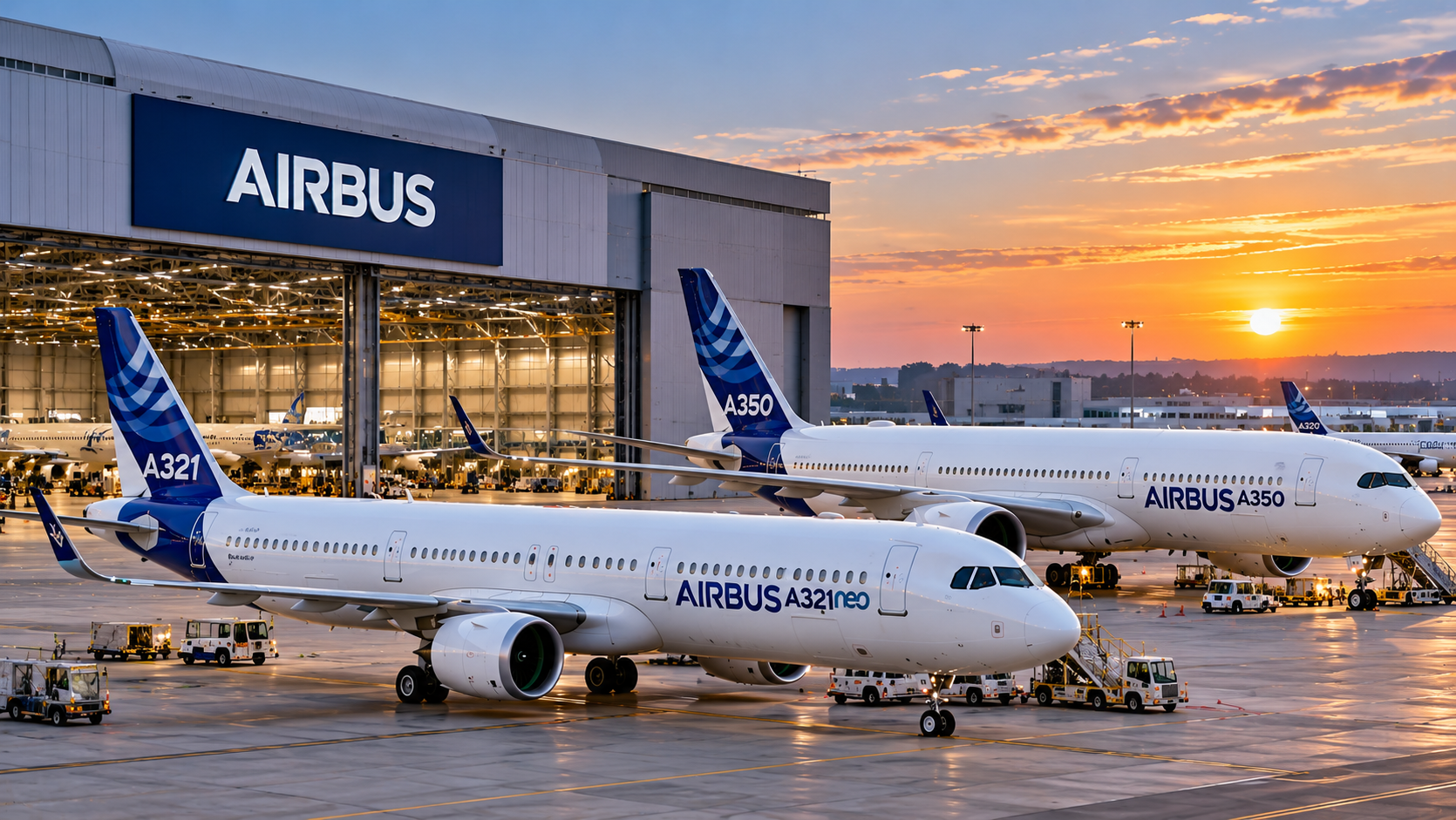
The Airbus A320neo family continued to account for the majority of aircraft delivered during September.
According to the manufacturer’s delivery records, 59 aircraft from the A320neo family were handed over during the month.
These included 37 A321neo aircraft, 21 A320neo aircraft and one A319neo.
The A321neo remained the most frequently delivered individual aircraft variant.
Its combination of passenger capacity, range and operating efficiency has made it an important aircraft type for airlines operating both domestic and international services.
For Asia-Pacific carriers, the A320neo family supports a wide range of network strategies, from high-frequency regional operations to longer narrowbody routes.
The continued delivery of these aircraft is therefore relevant to airlines seeking to expand capacity while managing operating costs.
Asian Airlines Continue Fleet Modernisation
Asia-Pacific remains a significant market for Airbus aircraft.
Airlines across the region are investing in fleet renewal as passenger demand, international connectivity and competition influence their long-term operating requirements.
Indian carrier IndiGo was a particularly notable recipient during September.
Published delivery records indicate that the airline received ten Airbus aircraft during the month, comprising seven A321neos and three A320neos.
The deliveries reflect the continuing scale of fleet development within India’s commercial aviation sector.
Elsewhere in Asia, airlines are pursuing different fleet strategies according to their route networks and market requirements.
Taiwan’s STARLUX Airlines received an A330-900 during September, adding to the wider development of its fleet.
These developments demonstrate how aircraft deliveries support airline expansion across both established and emerging aviation markets.
However, individual airline fleet plans remain subject to their respective commercial decisions, aircraft availability and operational requirements.
Implications for Malaysia and ASEAN
The latest Airbus delivery figures are relevant to Malaysia and the wider ASEAN aviation market, where airlines continue to balance passenger demand with fleet availability and operating efficiency.
Airbus narrowbody aircraft form an important part of commercial aviation operations throughout Southeast Asia.
The A320 family is widely used for domestic and regional services, while larger aircraft support longer international routes.
For Malaysian aviation, the pace of global aircraft deliveries is significant because fleet availability can influence airline expansion, route planning and aircraft replacement programmes.
The delivery environment also affects aviation support industries, including maintenance, repair and overhaul, aircraft components, engineering services and technical training.
As airlines introduce newer aircraft, maintenance organisations must ensure that their technical capabilities, personnel qualifications and equipment remain aligned with changing fleet requirements.
This creates opportunities for aviation service providers across Malaysia and ASEAN.
Nevertheless, the September delivery figures do not establish any specific new aircraft commitments or maintenance contracts involving Malaysian companies.
Aerospace Supply Chains Remain Under Pressure
Although Airbus has increased cumulative deliveries compared with 2025, the manufacturer continues to operate within a challenging aerospace supply environment.
Aircraft production depends on an extensive international network of suppliers responsible for engines, structures, avionics, cabin equipment and other essential systems.
Disruptions affecting individual suppliers can influence final assembly schedules and aircraft handovers.
Reuters reported that Airbus had faced concerns over the cumulative impact of supply chain delays.
The manufacturer’s September performance nevertheless showed an improvement over August.
For airlines awaiting aircraft deliveries, production stability remains an important consideration.
Delays can affect fleet replacement schedules, route launches and decisions concerning the continued operation of older aircraft.
For maintenance providers, such delays may also influence demand for aircraft life-extension work and ongoing technical support.
Airbus Records 1,174 Gross Orders
Alongside its delivery figures, Airbus reported 17 gross aircraft orders during September.
This brought total gross orders for the first nine months of 2026 to 1,174 aircraft.
After accounting for cancellations, Airbus recorded 1,105 net orders during the period.
The manufacturer’s order backlog stood at approximately 9,310 commercial aircraft at the end of September.
The backlog reflects substantial long-term demand for commercial aircraft, although the timing of individual deliveries depends on production schedules and contractual arrangements.
For the aviation industry, the orderbook provides an indication of future manufacturing requirements and the scale of aircraft fleet development expected over the coming years.
It also highlights the importance of aerospace manufacturing capacity and supply chain reliability.
Challenging Final Quarter Ahead
Airbus is targeting approximately 870 commercial aircraft deliveries for the full year.
With 547 aircraft delivered through September, the manufacturer would need to hand over another 323 aircraft during the final three months of 2026 to reach that target.
This represents a substantial acceleration compared with its average monthly delivery rate during the first nine months.
The final quarter will therefore be important in determining whether Airbus achieves its annual delivery objective.
Aircraft manufacturers traditionally experience variations in monthly delivery volumes, with significant numbers of aircraft sometimes handed over towards the end of the year.
However, the achievement of Airbus’ target remains dependent on production performance, supply chain conditions and the completion of customer deliveries.
Outlook for Asia-Pacific Aviation
The September figures underline the relationship between global aerospace manufacturing and the future development of Asian aviation.
Airlines require reliable aircraft delivery schedules to support expansion, improve operating efficiency and replace ageing fleets.
At the same time, aircraft manufacturers must balance increasing demand with the practical challenges of industrial production.
For Malaysia and ASEAN, the continuing introduction of new-generation aircraft has implications beyond airline operations.
Aircraft deliveries also create requirements for maintenance infrastructure, engineering capabilities, technical personnel and aviation training.
As the Asia-Pacific aviation market continues evolving, the ability of airlines and supporting industries to adapt to newer aircraft technologies will remain an important factor in long-term competitiveness.
With 547 commercial aircraft delivered during the first nine months of 2026, Airbus enters the final quarter facing both strong demand and a demanding production schedule.
Its performance during the remaining months will be closely watched by airlines, aircraft lessors, aerospace suppliers and maintenance organisations across the region.
MyAviation Magazine | Aerospace & Aircraft Manufacturing
9 October 2026