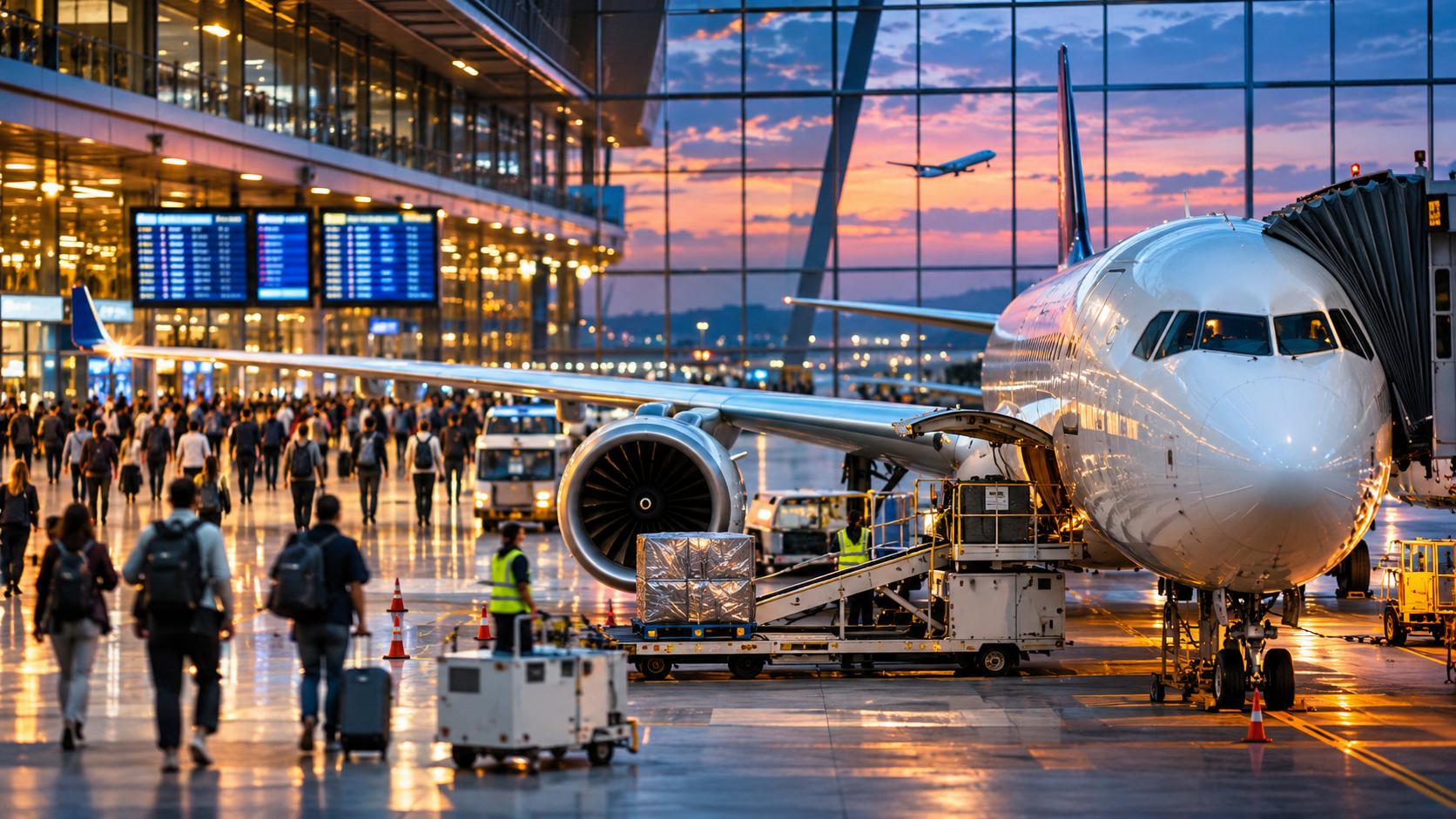
Passengers generally judge an airline by its fares, punctuality, cabin experience and destination network. Behind those visible aspects of air travel, however, the industry is confronting a less obvious challenge: the difficulty of obtaining enough serviceable aircraft and engines to support operations.
Aircraft availability has become an important factor influencing airline schedules, fleet investment and maintenance planning.
The problem extends beyond delays in manufacturing new aircraft. It also involves the capacity of the maintenance industry to keep existing fleets operational.
When Aircraft Cannot Return to Service
Modern commercial aircraft depend on complex maintenance systems involving specialised equipment, approved components, technical documentation and trained personnel.
An aircraft may be otherwise serviceable but remain grounded because an engine requires maintenance or a replacement component is unavailable.
Airlines may need to adjust schedules, extend leases or retain older aircraft longer than originally planned.
The consequences are particularly challenging for operators with limited spare capacity, where the unavailability of a single aircraft can affect multiple services.
The Engine Maintenance Bottleneck
In June 2026, the International Air Transport Association (IATA), working with consultancy Emerton, published a study examining maintenance constraints affecting the latest generation of single-aisle aircraft engines.
The research focused on CFM International’s LEAP engines and Pratt & Whitney’s Geared Turbofan engines.
It identified pressures involving engine durability, spare-part shortages, limited replacement-engine availability and access to maintenance services.
According to the study, the number of grounded Pratt & Whitney GTF-powered aircraft peaked at 648 in March 2025, representing approximately 28% of the relevant fleet.
These aircraft were awaiting engine shop visits, replacement engines or necessary components.
The figure illustrates how maintenance capacity can constrain airline operations even when passenger demand remains strong.
Why Airlines Keep Older Aircraft
Airlines normally assess aircraft replacement through a combination of fuel efficiency, maintenance costs, financing arrangements and fleet strategy.
New-generation aircraft generally offer efficiency advantages over the types they replace. However, those advantages depend on aircraft being available for service.
When deliveries or maintenance schedules become uncertain, airlines may extend existing leases or retain older aircraft.
Such decisions can provide operational continuity but may increase exposure to maintenance expenses and fuel costs.
The choice is not simply between new and old aircraft. It is between the aircraft an airline would prefer to operate and those it can reliably deploy.
Maintenance Capacity Is a Strategic Issue
The growing number of advanced engines in service will place additional demands on maintenance facilities.
IATA’s study projected a substantial increase in annual engine shop visits over the coming decades as LEAP and GTF fleets expand.
Meeting this demand requires more than building additional workshops.
Operators and maintenance providers also need access to approved repair procedures, spare parts, technical expertise and suitable replacement engines.
Expanding capacity without addressing these supporting requirements may leave significant bottlenecks unresolved.
The Passenger Impact
Aircraft shortages do not automatically mean flights are unsafe.
Commercial aircraft must meet applicable airworthiness requirements before operating, regardless of pressure on schedules or fleet availability.
The more immediate passenger consequences can include timetable adjustments, reduced frequencies, aircraft substitutions and changes to airline networks.
Carriers must balance aircraft utilisation against the time required for maintenance and operational recovery.
A Long-Term Industry Challenge
Aircraft availability is increasingly becoming a strategic consideration rather than a routine fleet-management issue.
For airlines, access to maintenance support and replacement components may influence future purchasing and leasing decisions.
For manufacturers and maintenance organisations, the challenge is to ensure support capacity grows alongside the global fleet.
The wider lesson is that aviation expansion cannot be measured by aircraft orders alone.
An aircraft contributes to airline capacity only when it can be delivered, maintained and operated reliably.