
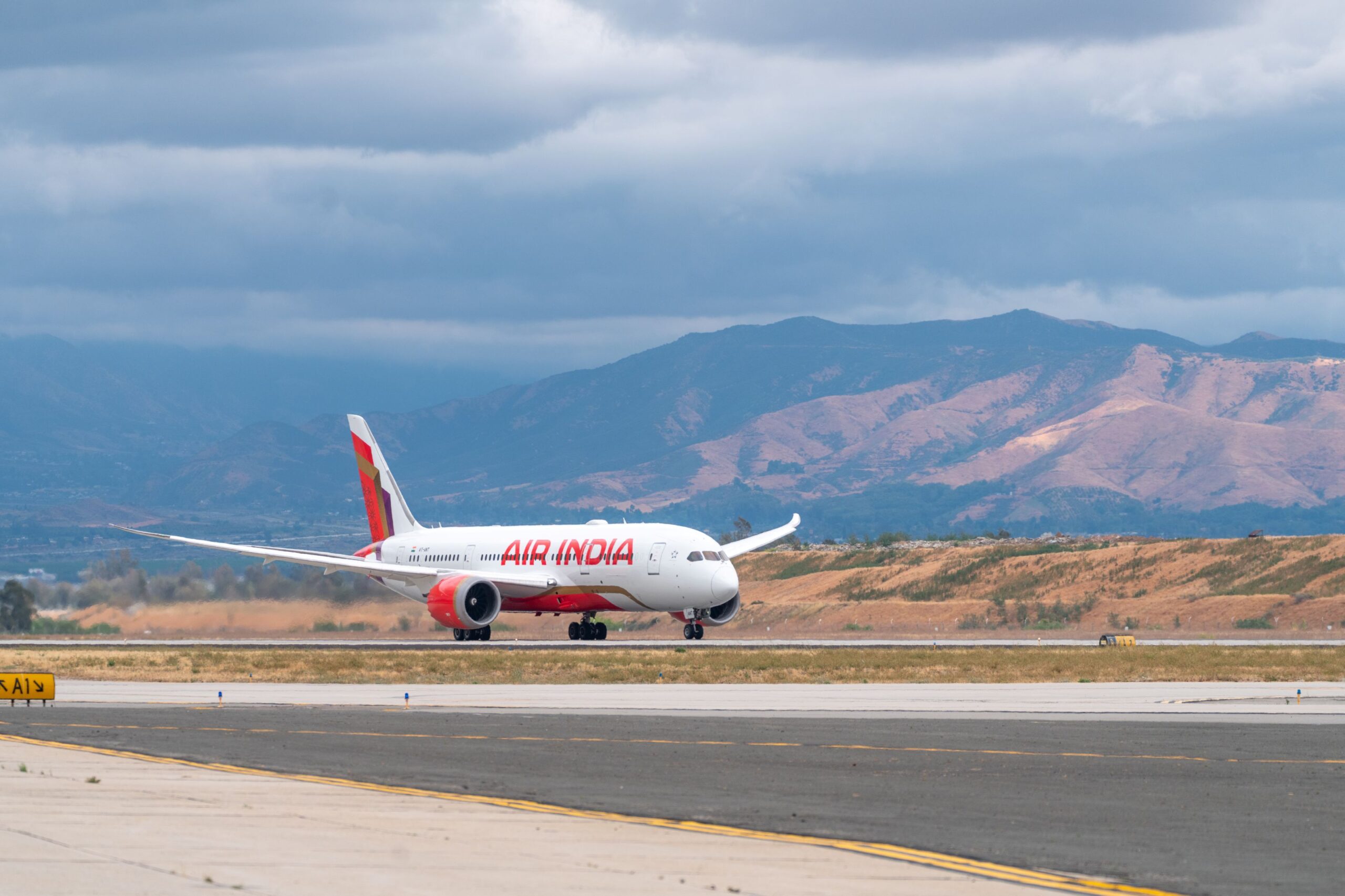
Air India has issued a public clarification on its cabin crew grooming guidelines this week after excerpts from what was described as an internal handbook circulated on social media, prompting commentary on the airline’s employee presentation standards.
The carrier, which returned to Tata Group ownership in January 2022 after decades under government control, said the images being shared online were drawn from an older manual that is no longer in use. According to a statement by an Air India spokesperson carried by DNA India, Moneycontrol, Hindustan Times and Business Today, current cabin crew policy permits employees the choice to wear a bindi, and grooming guidelines have evolved since the earlier documentation was produced.
BACKGROUND TO THE POLICY REVIEW
The clarification comes during a period of leadership transition at Air India, with CEO Campbell Wilson having announced his resignation earlier this month pending the appointment of a successor, as MyAviation Magazine reported previously. It also comes against the backdrop of a comprehensive operational and brand transformation at Air India that has been underway since the Tata acquisition. The transformation programme has covered aircraft livery, cabin product, service delivery standards, and employee presentation guidelines, all positioned by the airline as part of an effort to align with international full service carrier norms.
Grooming standards across the global aviation industry commonly specify uniform-related parameters including permitted jewellery, hairstyling, makeup shades, and accessories. Carriers typically frame these standards as elements of brand consistency and service presentation, particularly on international routes where passenger expectations are shaped by competing premium carriers.
According to reporting in Indian trade media, Air India’s revised grooming documentation is understood to run to approximately 40 pages and covers areas including attendance, uniform wear, hair, makeup, nail presentation, and accessory guidelines for both male and female cabin crew. The documentation reportedly includes specific shade cards for makeup and nail colours matched to uniform variants.
WHAT AIR INDIA HAS SAID
Air India’s official position, as relayed through multiple Indian media outlets on 18 and 19 April, rests on three points. First, the screenshots circulating online are from outdated internal material. Second, the current policy permits cabin crew to wear a bindi. Third, the airline’s grooming standards are designed to align with international aviation industry practice on employee presentation.
The airline has not, as of press time, issued a standalone media release on the matter, and its clarification has been delivered via spokesperson statements to Indian media organisations.
INDUSTRY CONTEXT
Grooming and uniform standards at Asia Pacific full service carriers have historically reflected a balance between brand consistency and accommodation of national or cultural identity. Singapore Airlines’ Singapore Girl sarong kebaya, Thai Airways’ silk wrap uniform, Malaysia Airlines’ kebaya, and Garuda Indonesia’s kebaya kartini all represent approaches where national dress has been deliberately integrated into cabin crew presentation.
At the same time, most major carriers maintain detailed guidelines on accessories, makeup, and personal grooming that apply uniformly across the workforce. The operational reasoning most commonly cited by airlines is that consistent cabin crew presentation supports brand recognition on international routes and simplifies training, recruitment, and uniform logistics.
Air India’s transformation under Tata ownership has included the introduction of a new livery unveiled in 2023, a refreshed cabin crew uniform designed by Manish Malhotra also unveiled in 2023, and extensive investment in cabin retrofits across the widebody fleet. The grooming documentation under discussion forms part of this broader presentation standardisation effort.
COMPARISON WITH OTHER EMPLOYERS
The Air India discussion has run parallel to a separate controversy involving Indian eyewear retailer Lenskart over its own internal style guide, which was also described by the company as outdated. Both cases have drawn attention to the gap that can emerge between internal corporate documentation and current stated policy, particularly when older material remains in circulation or is referenced by staff after formal revisions.
For airline human resources practitioners, the episode highlights the operational risk carried by legacy internal documentation. Standard industry practice calls for active version control on cabin crew manuals, with dated revisions, superseded material formally withdrawn, and training records updated to reflect current guidelines. Where older material continues to circulate, either internally or externally, reputational exposure can follow.
OUTLOOK
Air India has not indicated that it intends to revise its current grooming guidelines further in response to the social media discussion. The airline’s position that current policy already permits elements referenced in the viral screenshots, and that the circulated material predates the current policy, suggests the matter will be treated by the carrier as a documentation hygiene issue rather than a substantive policy review.
The broader question for the industry is how transformation programmes at legacy carriers, particularly those transitioning from government to private ownership, manage the inherited stock of internal documentation during and after operational overhauls. Air India’s experience this week offers a practical case study in the reputational consequences of incomplete documentation lifecycle management.