
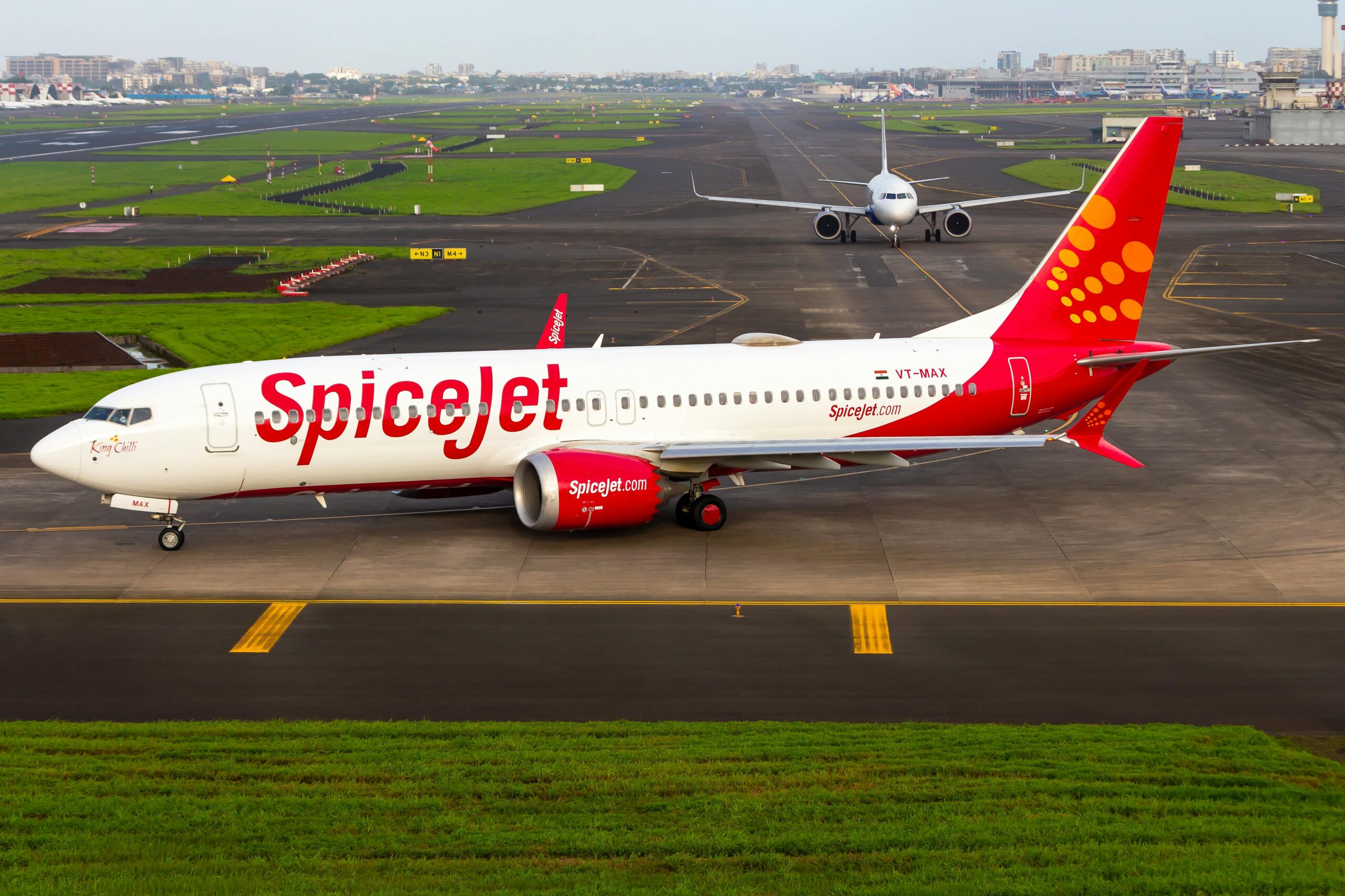
India’s biggest carriers have issued their starkest warning yet on the state of the country’s aviation sector, telling the government that airlines are on the verge of grounding aircraft and cancelling flights unless immediate relief is granted on jet fuel costs.
The Federation of Indian Airlines, which represents Air India, IndiGo and SpiceJet, said in a letter dated April 26 to the Civil Aviation Ministry that the industry is close to “stopping operations” as costs surge in tandem with tensions in West Asia and disruptions near the Strait of Hormuz, according to a Press Trust of India report carried by Anadolu Ajansi and relayed by Bernama on Tuesday.
The federation is asking for a temporary deferment of the 11 per cent excise duty on Aviation Turbine Fuel (ATF) and a uniform fuel pricing mechanism that would close the widening gap between domestic and international rates. Jet fuel typically accounts for around 40 per cent of an airline’s operating costs, leaving carriers acutely exposed to every movement at the pump.
That exposure has sharpened in recent weeks. Last month, the government capped the ATF price increase at 15 Indian rupees, roughly 16 US cents, per litre for domestic flights. International prices, which are not similarly shielded, jumped by 73 Indian rupees, or about 77 US cents, per litre, opening a punishing differential for carriers that fly both networks.
“Any ad hoc pricing and irrational increase in the price of ATF will result in insurmountable losses for airlines and will lead to the grounding of aircraft, resulting in the cancellation of flights,” the federation said in the letter, framing the request as a question of survival rather than profitability.
The grouping told the ministry that conditions in April had already made both international and domestic operations “largely unviable” and had inflicted significant losses across the sector. “In order to survive, sustain and continue operations, we request your urgent intervention for immediate and meaningful financial support to tide over the current situation,” it added.
Why fuel is the choke point
The squeeze on Indian carriers is being driven, at root, by a single piece of geography. The Strait of Hormuz, the narrow waterway between Oman and Iran, carries roughly one fifth of the world’s oil supply on any given day, making it one of the most consequential energy chokepoints on the planet.
The strait has faced repeated disruptions in recent weeks amid heightened regional tensions in West Asia. A ceasefire is currently in place and diplomatic efforts to reach a more durable settlement are ongoing, but shipping risks and insurance premiums in the region remain elevated, feeding directly into the global jet fuel market.
For Indian airlines, which depend on long thin margins and high aircraft utilisation, sustained fuel volatility translates almost immediately into route cuts. Industry executives have privately warned for weeks that the combination of a weakening rupee, expensive crude and a split pricing regime at home is the worst possible mix for an industry still rebuilding capacity after the post pandemic boom.
What is at stake
A meaningful pullback by Air India, IndiGo and SpiceJet would be felt well beyond the airport apron. The three carriers together dominate Indian skies, and any wave of cancellations during the pre summer travel period would ripple into tourism, business travel and air cargo flows linking India to the Gulf, Southeast Asia and Europe.
The federation’s demand for a uniform fuel pricing mechanism is, in effect, an appeal for the government to absorb part of the external shock currently being passed straight through to carriers via international ATF prices. Whether the Civil Aviation Ministry is willing, or fiscally able, to grant even a temporary excise duty holiday is now the central question hanging over the sector.
There was no immediate public response from the ministry. The federation said it expected an “urgent” engagement, language that, in the careful register of industry lobbying, signals that carriers believe they are running out of room to manoeuvre.
— Compiled from Bernama-Anadolu and Press Trust of India reporting.