
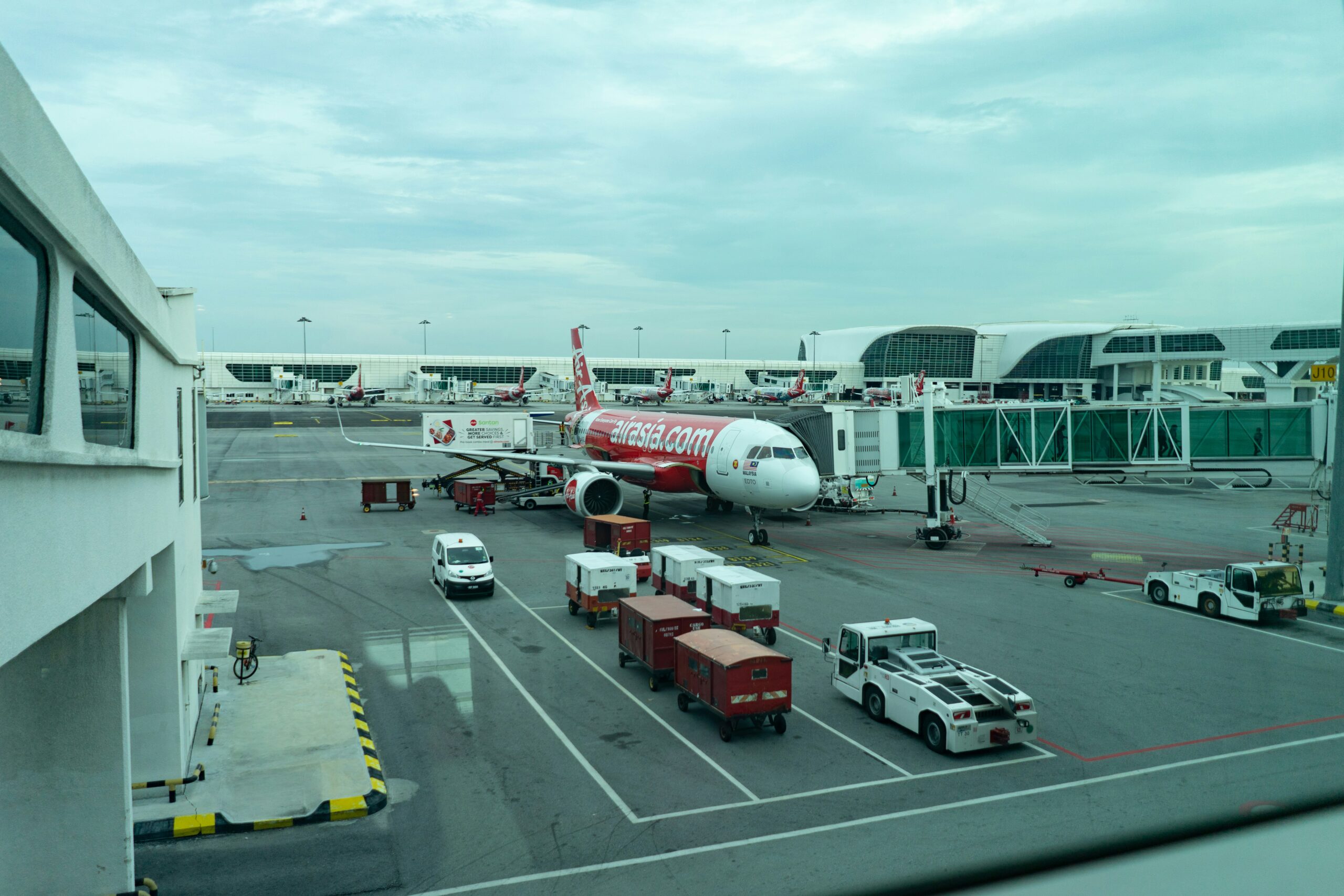
Malaysia’s aviation sector is entering a significant phase as passenger traffic at Kuala Lumpur International Airport continues to rise, placing increasing demand on existing airport capacity and operational systems.
Based on current industry observations and broader travel demand trends, passenger volumes have been increasing in recent months. This growth is supported by the continued recovery of international tourism, higher flight frequencies, and the gradual expansion of route networks across both regional and long haul markets. The trend reflects a wider resurgence in air travel across Southeast Asia, with Malaysia positioned as both a destination and transit point within the region.
Rising Demand Across Passenger Touchpoints
The sustained increase in passenger traffic is contributing to higher activity levels across key airport touchpoints. During peak travel periods, higher passenger volumes are being experienced at immigration, security screening, and baggage handling areas, particularly within KLIA’s main terminal.
These developments are consistent with a recovering aviation environment, while also indicating that existing infrastructure is being tested by the pace of returning demand. Increased throughput during concentrated travel periods places greater emphasis on coordination across operational functions within the airport ecosystem.
Maintaining efficiency across the passenger journey remains important, including processes such as check in, security clearance, boarding, and arrivals. Effective management of these stages is expected to support smoother passenger movement as demand continues to evolve.
Airline Strategies Supporting Traffic Growth
Airline network strategies are also contributing to current traffic patterns at KLIA, as carriers adjust operations in response to returning demand and market opportunities.
Malaysia Airlines continues to focus on premium services and long haul connectivity, supporting links between Malaysia and key international destinations. At the same time, AirAsia is expanding regional services and increasing flight frequencies across selected markets, contributing to higher short haul passenger movements.
Together, these developments are contributing to increased aircraft movements and a more concentrated flow of passengers across KLIA’s primary terminals. This reflects a dynamic operating environment shaped by both full service and low cost carrier strategies.
Focus on Efficiency and Forward Planning
The current environment is prompting continued attention on operational efficiency and longer term planning across the aviation ecosystem. Industry stakeholders are focusing on areas such as improving passenger flow management, leveraging digital solutions to streamline processes, optimising terminal usage, and supporting future infrastructure development.
These measures are considered important in enabling the airport to respond to growing demand while maintaining service standards. There is also increasing focus on aligning short term operational adjustments with longer term planning considerations, including how existing facilities can be utilised more effectively.
A Key Phase for Malaysia’s Aviation Sector
The increase in passenger traffic reflects a positive trajectory for Malaysia’s aviation sector and signals renewed confidence in regional and international travel. At the same time, it represents an important phase for aligning infrastructure readiness with evolving demand patterns.
As traffic continues to grow, coordination between airport operators, airlines, and related stakeholders will remain important in supporting overall system performance. The ability to adapt to this environment will play a role in shaping KLIA’s position within the competitive Southeast Asian aviation landscape.