



Indonesia’s aviation sector plays a uniquely critical role in national connectivity. With more than 17,000 islands spread across vast distances, air transport is not just a convenience — it is an essential part of economic activity, public service delivery, and regional integration.
From major international hubs like Jakarta Soekarno–Hatta and Denpasar Bali, to remote airstrips in Papua and Sulawesi, aircraft operations in Indonesia represent one of the most complex aviation environments in the world.
As air travel demand continues to recover across Southeast Asia, Indonesia’s aviation ecosystem is once again under the spotlight — not due to crisis, but because of the operational realities of flying in challenging geography and weather conditions.
The Role of Turboprop Aircraft in Regional Connectivity
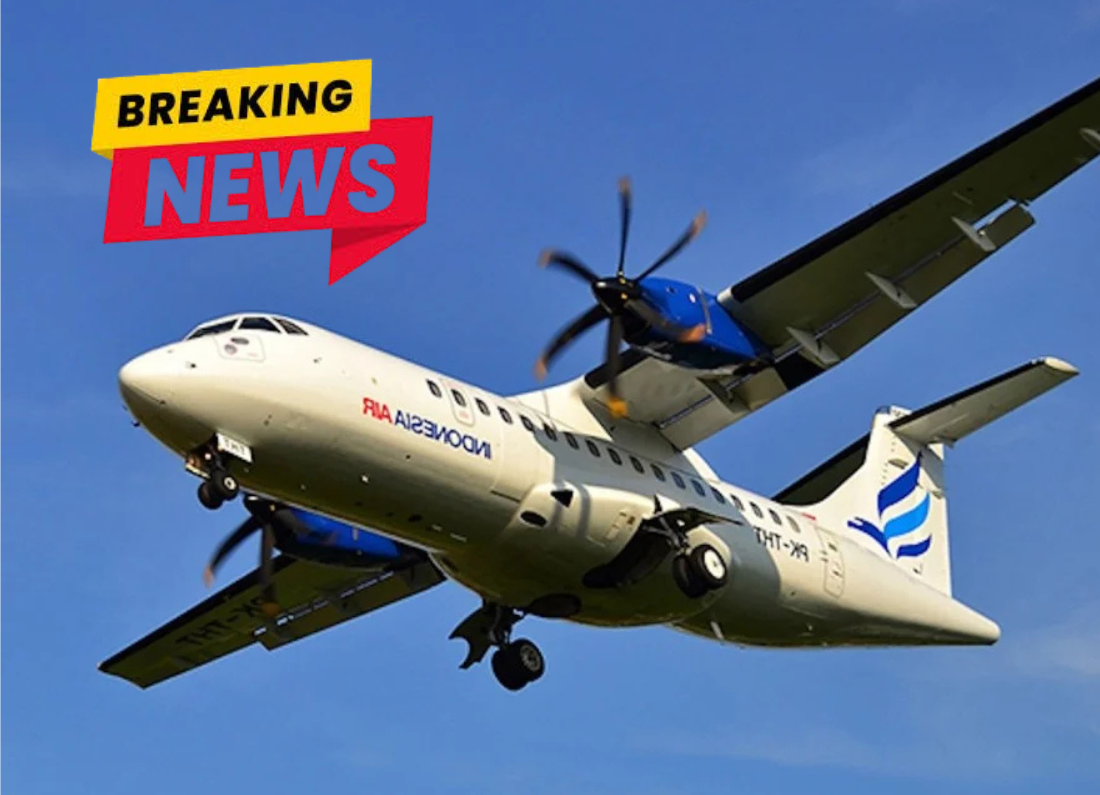
Aircraft such as the ATR 72, De Havilland Dash 8, and other regional turboprops form the backbone of Indonesia’s domestic connectivity network.
These aircraft are particularly suited for:
- Short runways
- Mountainous terrain
- Remote island operations
- Lower passenger-volume routes
- Airports with limited infrastructure
Turboprop aircraft allow airlines to connect communities that would otherwise be inaccessible by land or sea within reasonable timeframes.
In Indonesia, regional aviation supports:
- Medical transport
- Government mobility
- Tourism access
- Cargo supply chains
- Emergency response operations
Without this network, many regions would face significant logistical isolation.
Safety Improvements Over the Past Decade
Indonesia’s aviation safety record has improved significantly over the past decade through stronger regulatory oversight and industry collaboration.
Key improvements include:
- Enhanced pilot training standards
- Improved aircraft maintenance oversight
- Modernized air traffic management
- Better incident reporting systems
- Airport infrastructure upgrades
- International cooperation with ICAO and regional regulators
The Directorate General of Civil Aviation (DGCA) and the National Transportation Safety Committee (KNKT) continue to play central roles in maintaining safety oversight.
Indonesia was removed from the European Union aviation safety blacklist in 2018, marking an important milestone in restoring international confidence in the country’s aviation system.
Operating Challenges That Remain
Despite improvements, Indonesia’s aviation environment remains operationally demanding.
Common challenges include:
- Rapidly changing tropical weather
- Mountainous terrain in eastern Indonesia
- Limited navigation infrastructure in remote regions
- Short and uneven runways
- High aircraft utilization rates
- Remote maintenance logistics
These challenges do not necessarily indicate unsafe operations, but they require discipline, training, and strong safety culture across airlines and regulators.
Regional aviation worldwide faces similar realities in countries with large rural geographies, including parts of Africa, Latin America, and island nations in the Pacific.
The Importance of Public Confidence
Aviation safety discussions often intensify whenever incidents or operational disruptions occur, even when details are still being verified. In such moments, clear communication from authorities and airlines becomes essential to maintaining public trust.
Indonesia’s aviation sector has increasingly emphasized:
- Transparency in investigations
- Timely operational updates
- Collaboration with international safety bodies
- Continuous improvement culture













Leave a Reply