

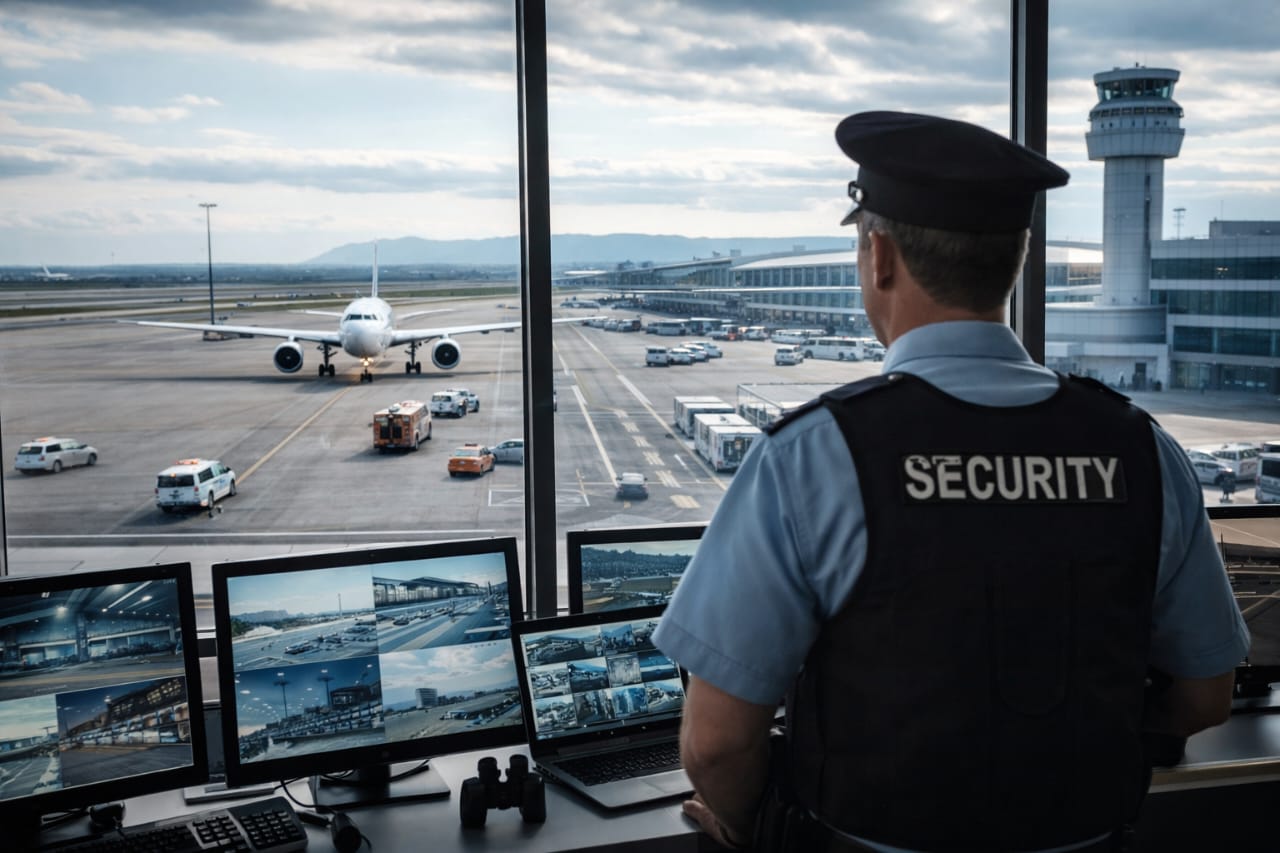
Airports across the Middle East are operating under heightened security conditions as aviation authorities respond to evolving risks linked to regional tensions. From the Gulf to the Levant, major aviation hubs are strengthening monitoring systems and operational protocols to ensure the safety of passengers, aircraft, and infrastructure. Recent incidents, including disruptions near key airports, have reinforced the need for increased vigilance. While operations continue, the environment in which airports function has become more complex, requiring constant coordination between aviation and security agencies.
Airports in the region have implemented additional layers of security designed to address emerging risks. These measures focus on safeguarding both airside and landside operations without disrupting the overall flow of passengers. Enhanced surveillance systems, increased patrol presence, and tighter control over restricted areas are now standard across major airports. Authorities are also reviewing access procedures to ensure that only authorized personnel can enter sensitive zones. These adjustments are being implemented in a way that maintains efficiency while reinforcing safety standards.
Beyond airport boundaries, airspace monitoring has become a central focus. Aviation authorities are working closely with air traffic control and regional partners to maintain a clear picture of activity across the skies. Real-time coordination allows for rapid response to unexpected developments. This includes the ability to adjust flight paths, manage traffic flow, and maintain safe separation between aircraft. The integration of advanced radar systems and communication networks is playing a key role in ensuring that airspace remains secure and well-managed.
Technology is at the forefront of modern aviation security. Airports and aviation authorities are increasingly relying on advanced systems to detect and manage potential risks. These include drone detection technologies, enhanced radar capabilities, and data-driven monitoring platforms. Such systems allow authorities to identify unusual activity quickly and respond in a coordinated manner. The use of predictive analytics is also becoming more common, enabling operators to anticipate potential challenges before they impact operations.
Airlines operating in the region are adapting to the enhanced security environment by incorporating additional checks into their operational procedures.
Flight planning now involves closer coordination with authorities, particularly when operating through sensitive airspace. Airlines are also adjusting turnaround processes at airports to align with updated security protocols. While these measures may introduce minor delays, they are essential for maintaining safe and reliable operations.
For passengers, the increased security presence is visible but carefully managed. Airports are working to ensure that additional checks do not significantly affect travel experience. Clear communication has become a priority, with airports and airlines providing updates through digital platforms and on-site announcements. Travelers are encouraged to arrive slightly earlier for flights, allowing time for any additional procedures.
Despite the heightened environment, the overall focus remains on maintaining smooth and efficient passenger flow.
Aviation security in the Middle East relies heavily on cooperation between countries. Airports and authorities are sharing information and coordinating responses to ensure a unified approach. This collaboration extends to international organizations, which provide guidance and support in maintaining global aviation standards. The ability to share information quickly is critical in managing a dynamic security environment.
One of the key challenges facing the aviation industry is balancing enhanced security with operational efficiency. Airports must implement stricter measures without creating significant delays or disruptions. This balance is achieved through careful planning, use of technology, and continuous evaluation of procedures. The goal is to ensure that security enhancements are effective while preserving the reliability of air travel.
The current situation highlights the resilience of the aviation sector. Airports, airlines, and regulators are working together to adapt to changing conditions while maintaining high standards of safety. The ability to respond quickly and coordinate effectively ensures that global connectivity remains intact, even in a more complex operating environment.
As regional conditions continue to evolve, aviation security measures are expected to remain elevated. Authorities will continue to refine their approaches, incorporating new technologies and strategies to address emerging risks. Airlines and airports will remain focused on maintaining safety while ensuring that operations continue smoothly.
The heightened security environment across Middle East airports reflects a proactive approach to managing evolving risks. Through coordination, technology, and strong operational frameworks, the aviation industry is ensuring that safety remains the top priority. As global air travel continues, the ability to adapt to changing conditions will remain essential in maintaining confidence and connectivity across the region.