

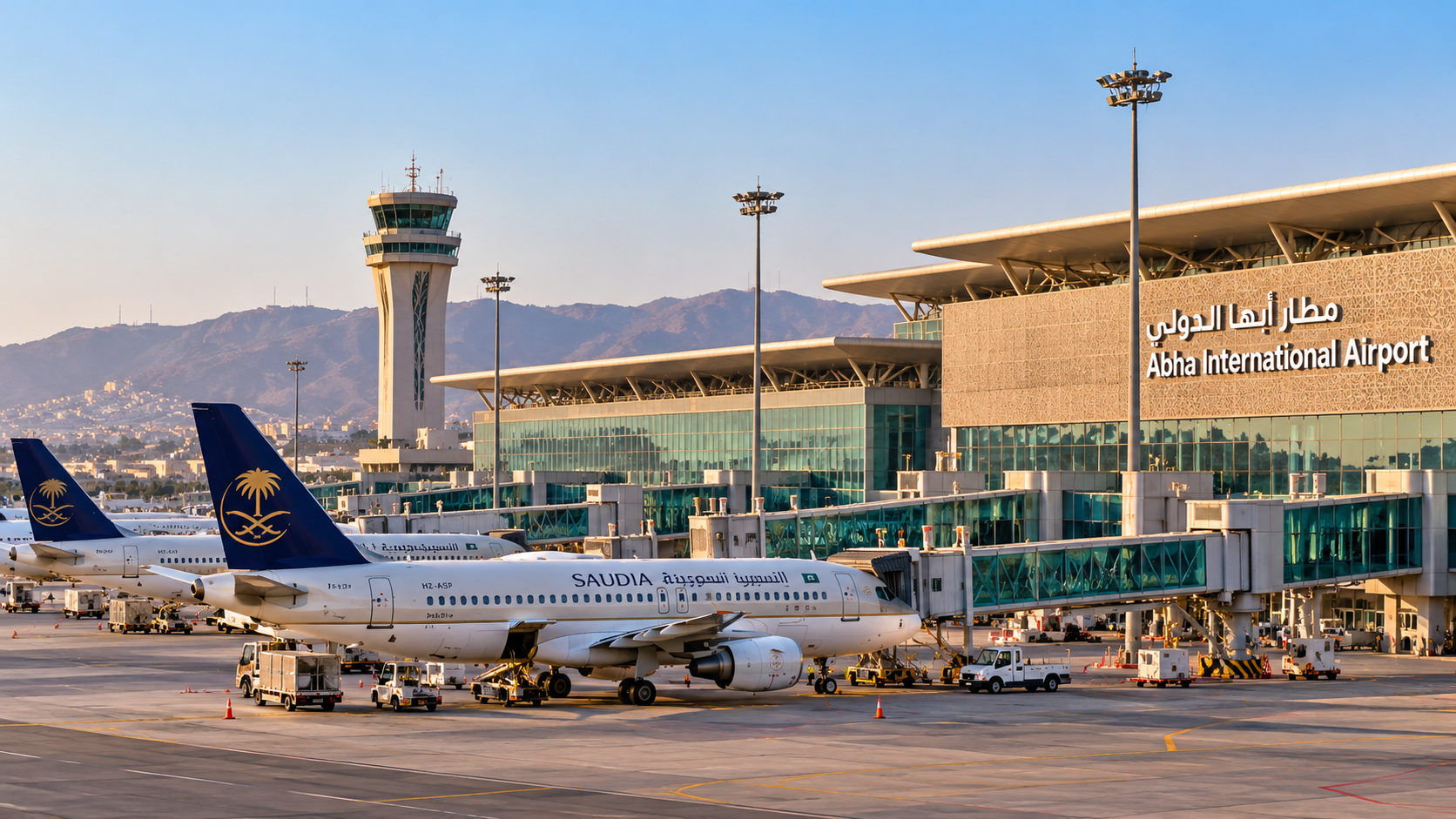
Saudi aviation authorities report three fatalities and 36 injuries following separate attacks on international airports in Riyadh and Abha, highlighting the vulnerability of civilian aviation infrastructure amid renewed regional hostilities.
Three people have been killed and 36 others injured following separate attacks on two international airports in Saudi Arabia, according to the country’s General Authority of Civil Aviation (GACA).
The incidents, which occurred on 6 and 7 October, affected King Khalid International Airport in Riyadh and Abha International Airport in southwestern Saudi Arabia.
GACA confirmed that the attacks resulted in civilian casualties and material damage to airport facilities.
Emergency response teams and relevant authorities responded to both incidents, while security agencies began assessing the damage and implementing measures to protect passengers, airport personnel and aviation operations.
The attacks come amid renewed fighting in neighbouring Yemen, raising concerns about the protection of civilian aviation infrastructure during periods of regional conflict.
Casualties Reported at Two Airports
According to Saudi aviation authorities, two residents, one Moroccan and one Algerian, were killed in the attack affecting Abha International Airport on Tuesday.
Another 28 people sustained injuries ranging from minor to serious.
At King Khalid International Airport in Riyadh, a Sudanese resident was killed in Wednesday’s attack, while eight others were injured.
Those injured were transferred to hospitals for medical treatment.
GACA also reported material damage to airport facilities but did not provide a comprehensive public assessment of its extent.
The authority said it was working with relevant security agencies to evaluate the damage and ensure the safety of airport operations.
Claims of Responsibility
Yemen’s Houthi movement claimed responsibility for attacks targeting both Saudi airports.
However, Saudi aviation authorities did not publicly identify those responsible in their initial statement confirming the casualties.
The claims of responsibility therefore remain attributed to the Houthi movement rather than presented as independently established findings.
The incidents occurred against the backdrop of renewed hostilities between Houthi forces and Saudi-backed Yemeni government forces.
Protecting Civilian Aviation Infrastructure
The attacks highlight the importance of protecting civilian airports and their supporting infrastructure.
International airports are complex operational environments involving aircraft movements, air traffic services, passenger terminals, ground handling, emergency response facilities and other essential systems.
Security incidents affecting these facilities can present significant safety challenges.
Airport operators must maintain appropriate emergency procedures, coordinate with security authorities and ensure that aviation activities can be conducted safely.
Following the incidents, GACA confirmed that it was coordinating with relevant agencies to assess the damage and implement necessary protective measures.
The authority’s statement did not establish that Saudi Arabia’s entire airport network had been closed.
At the time of publication, MyAviation Magazine had not independently verified the extent of any airline cancellations, diversions or temporary operational restrictions associated with the incidents.
Implications for International Aviation
The attacks raise important considerations for airlines operating in regions affected by armed conflict.
Airline operators must continuously evaluate security developments, airport operating conditions and potential threats affecting their routes.
Such assessments involve coordination with aviation regulators, airport operators, air navigation service providers and relevant security agencies.
For international carriers serving Saudi Arabia, access to reliable operational information remains essential for flight planning and risk management.
Saudi Arabia is an important aviation destination for Asian airlines, including carriers operating from Malaysia, Indonesia and other Southeast Asian countries.
Passenger demand is supported by religious travel, tourism, employment and commercial activities.
Consequently, developments affecting the security of Saudi airport infrastructure are relevant to airlines and passengers throughout the Asia-Pacific region.
However, the potential implications for international connectivity should not be confused with confirmed operational disruptions.
Regional Aviation Security Under Scrutiny
The latest incidents have brought renewed attention to the protection of civilian aviation facilities during periods of regional instability.
Airport security extends beyond passenger screening and terminal access controls.
It also requires preparedness for external threats, effective emergency response arrangements and coordination among aviation and security agencies.
The ability to assess damage, protect airport personnel and maintain safe operating conditions is particularly important when transportation infrastructure is exposed to security threats.
For the aviation industry, the immediate priority remains the protection of passengers, flight crews, airport employees and aircraft operations.
Aviation Safety Remains the Priority
The attacks affecting King Khalid International Airport and Abha International Airport demonstrate the serious consequences that security threats can have for civilian aviation infrastructure.
Saudi authorities have reported three fatalities, 36 injuries and material damage resulting from the incidents.
Further assessments will be necessary to establish the full extent of the damage and any longer-term operational consequences.
For international airlines and airport operators, the developments reinforce the importance of accurate security information, emergency preparedness and coordinated aviation safety measures.
As regional tensions continue, protecting civilian aviation infrastructure and maintaining safe air transport operations must remain central priorities.
MyAviation Magazine | International Aviation Safety & Security
8 October 2026