
The two week ceasefire between the United States and Iran, brokered by Pakistan on 8 April, is scheduled to lapse on Wednesday evening US Eastern Time, with a planned second round of talks in Islamabad now postponed indefinitely and Asia Pacific carriers preparing for a probable return to full Gulf airspace disruption.
As of Wednesday morning Malaysian time, the ceasefire remained technically in force, with the US Navy blockade of Iranian ports continuing and no confirmation of an extension. According to reports from US and international outlets on Tuesday, US Vice President JD Vance’s anticipated trip to Islamabad was delayed and subsequently postponed after Iran declined to send a negotiating team. Special envoys Steve Witkoff and Jared Kushner similarly stood down from the trip. Iran’s Tasnim news agency, affiliated with the Islamic Revolutionary Guard Corps, reported that Tehran had informed Washington through Pakistani mediators that its position would not change while the US naval blockade remained in place. President Donald Trump has described an extension as unlikely without a breakthrough.
For Asia Pacific aviation, the stakes are substantial. The Strait of Hormuz, which normally carries about one fifth of global oil supply and a significant share of jet fuel refined in the Persian Gulf, has been under intermittent Iranian control since hostilities began on 28 February. Commercial shipping through the waterway dropped to only 16 vessels on Monday, according to MarineTraffic data cited by international wires, a fraction of typical transit volumes. Iranian forces fired on multiple commercial ships over the weekend, including Indian flagged tankers and a vessel managed by French shipping company CMA CGM, and Lloyd’s List reported Gulf traffic had effectively stalled.
MALAYSIAN HOOK
In a detail of direct Malaysian interest, the Iranian flagged tanker MV Touska, which was fired on and seized by the US Navy destroyer USS Spruance in the Gulf of Oman on Sunday, had last called at Port Klang on 12 April before departing for the Iranian port of Bandar Abbas, according to a US official cited by Fox News. The vessel was intercepted outside Iranian waters and remains in US custody. Tehran has condemned the seizure as armed piracy and has threatened retaliation.
The European Union Aviation Safety Agency Conflict Zone Information Bulletin covering airspace over Iran and surrounding states is valid through 24 April and is due for review. Iranian civil airspace, designated under the Tehran Flight Information Region, has remained closed to commercial transit since late February. European to Asia routings continue to operate via Central Asian or Arabian Sea corridors, adding two to five hours of block time and materially higher fuel burn. In one modest positive signal, Russian aviation authorities on Monday lifted restrictions on Russian airline routings to the United Arab Emirates following a brief partial reopening of Iranian airspace earlier in the week.
REGIONAL CARRIER RESPONSE
Southeast Asian operators have already absorbed significant network adjustments since the conflict began. Batik Air Malaysia reduced domestic capacity by approximately 36 per cent in early April in response to the fuel shock, concentrating remaining capacity on higher yield routes. Malaysia Airlines, Firefly and Batik Air all announced phased fuel surcharge increases that took effect progressively from 11 March, with further adjustments for Japan, Korea, Taiwan, Hong Kong and the Philippines routes from 25 March.
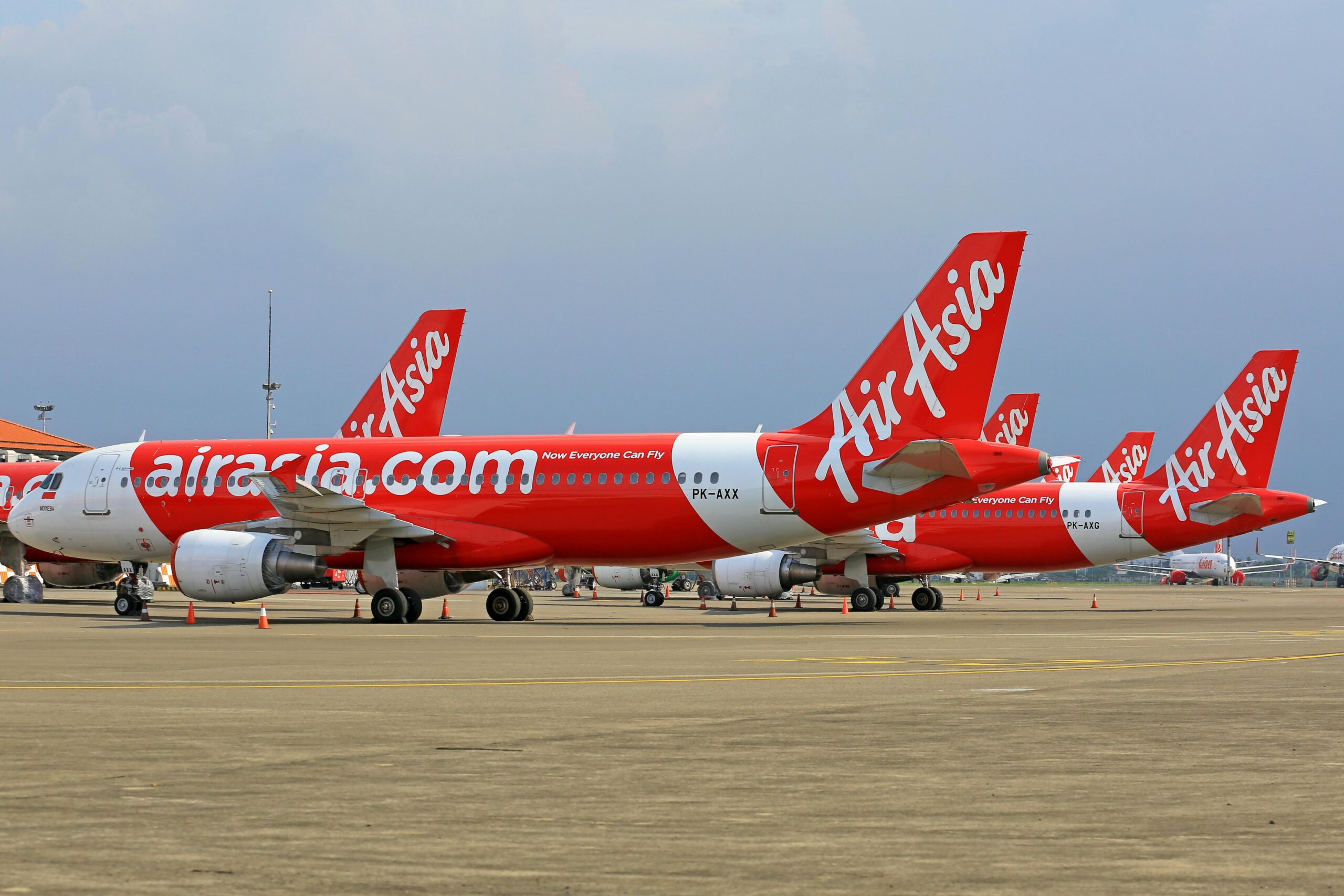
AirAsia X, which has limited fuel hedging according to published analyst research, has been identified by Malaysian investment research houses as among the regional low cost carriers most exposed to sustained elevated prices. The group has reportedly resorted to fuel tankering on some Southeast Asian sectors to manage ground fuel availability constraints.
Cathay Pacific has suspended its Dubai and Riyadh passenger services through at least 30 June, with cargo freighter services to the same destinations suspended to 31 May. The carrier has also announced capacity reductions of around two per cent on its regional and long haul network from mid May through end June, with its low cost subsidiary HK Express trimming approximately six per cent of flying over the same period.
Cebu Pacific of the Philippines has suspended all services between Manila and Dubai through 30 April. Vietnam Airlines has cut 23 weekly domestic frequencies to conserve fuel and is deploying larger widebody equipment selectively on European routes. Air India has introduced en route refuelling stops on certain services, including Yangon to Delhi sectors, citing operational necessity.
FUEL ECONOMICS
According to International Air Transport Association data cited in industry coverage, jet fuel prices reached approximately US Dollar 198 per barrel in the week ending 10 April, roughly double the pre conflict level. Brent crude closed Monday at US Dollar 95.50 per barrel, up 5.6 per cent on the day, while West Texas Intermediate settled around US Dollar 89. Independent Malaysian aviation analyst Shukor Yusof of Endau Analytics has warned that prolonged disruption could place some Middle East carriers under severe financial pressure, while the Association of Asia Pacific Airlines director general Subhas Menon has indicated that capacity constraints are likely to keep airfares elevated across the region.
Aviation insurance premiums for transiting affected airspace are reported to have risen between 40 and 60 per cent relative to pre February rates, adding a further cost layer for carriers weighing a return to suspended Gulf services.
MALAYSIAN EXPOSURE
Malaysia Aviation Group, the parent of Malaysia Airlines, delivered a net profit of RM64.66 million in 2024 and is expected to record a third consecutive profitable year for 2025. However, analysts have cautioned that Malaysian carriers operate from a relatively thin earnings base, leaving them sensitive to fuel movements where hedging cover is incomplete. Capital A chief executive Tan Sri Tony Fernandes acknowledged in a recent LinkedIn post that airlines have limited visibility on how the geopolitical situation will unfold and that carriers are, for the present, reliant on diplomatic outcomes outside their control.
The Visit Malaysia 2026 tourism campaign faces additional headwinds should the ceasefire collapse. With direct services from the Middle East largely suspended and European and North American long haul traffic routed on extended diversions, inbound arrival mix is expected to remain weighted toward intra ASEAN and South Asian origins through at least mid year.
OUTLOOK
Two dates frame the immediate operating environment. The ceasefire expiry on the evening of 22 April US Eastern Time, which falls in the early hours of 23 April Malaysian time, will determine whether Gulf airspace and Hormuz shipping return toward normalisation or deteriorate further. The EASA bulletin review on 24 April will signal the European regulatory read on conditions. With the Islamabad diplomatic track paused and Iran holding firm on lifting the US blockade as a precondition for negotiations, carriers operating Kuala Lumpur to Europe, Kuala Lumpur to North America via Gulf connections, and freighter services through regional hubs are advised to maintain close coordination with operational control centres.